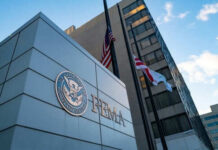
Face recognition technology is increasingly used by U.S. law enforcement under President Trump’s renewed law-and-order agenda. While agencies report improved capabilities for identifying suspects, civil liberties organizations warn that expanded surveillance raises significant privacy and constitutional concerns.
Story Snapshot
- Face recognition technology is rapidly expanding in U.S. law enforcement.
- Conservative concerns grow over constitutional rights and privacy erosion.
- Trump administration’s crackdown on crime fuels surveillance use.
- Debate intensifies over balancing security and civil liberties.
Law Enforcement Embraces Face Recognition Under Trump
In 2025, the Trump administration expanded law-and-order initiatives, prompting wider use of face recognition by federal and local agencies. Supporters argue that the technology can help identify suspects and prevent threats. According to the ACLU, these systems have been used in efforts to track criminal activity and immigration violations. Privacy advocates caution that scanning large populations without individualized suspicion risks undermining constitutional protections.
Constitutional Concerns and Privacy Erosion
Legal and civil rights experts, including the Electronic Privacy Information Center (EPIC) and the ACLU, have warned that mass deployment of face recognition can constitute an invasive dragnet. They emphasize that unchecked use could infringe on Fourth Amendment protections against unreasonable searches and seizures. Experts note that while public safety is a legitimate concern, safeguards are necessary to prevent misuse and protect individual rights.
Government Overreach and the Risk to Civil Liberties
Government overreach has long been a concern for constitutional conservatives, particularly when it comes to surveillance policies. The expansion of face recognition technology under Trump’s tough-on-crime platform intensifies this issue, prompting calls for clear safeguards and oversight. Without strict limits, there is a risk of innocent citizens being monitored or misidentified, leading to unwarranted law enforcement actions. This is especially troubling for those who value individual liberty and due process, as expansive surveillance can be weaponized against political dissenters or those exercising free speech, undermining core American values.
Debate Over Security Versus Liberty
The debate over face recognition in law enforcement reflects a broader struggle between security and liberty in America’s current political climate. Trump’s supporters applaud decisive action against crime and terrorism, but many remain wary of sacrificing constitutional protections for perceived safety. Critics urge lawmakers to revisit the scope and legality of mass surveillance, ensuring that technology does not trample on rights guaranteed by the Constitution. As the administration touts historic successes in crime reduction and border security, the conservative base demands accountability and transparency to prevent abuse of power.
Face Recognition and the ‘Trump Terror’: A Marriage Made in Hell https://t.co/agd6T2Cjqy
— Patrice McDermott (@McD_Patrice) November 13, 2025
Calls for Reform and Oversight
Amid these concerns, grassroots conservative organizations and constitutional watchdogs are pushing for reforms to restrict the use of face recognition technology. They advocate for legislation that limits data retention, requires probable cause for searches, and mandates judicial oversight of surveillance programs. Many argue that restoring trust in government requires more than tough rhetoric—it demands real safeguards that protect the freedoms upon which America was founded. As the Trump administration continues to pursue aggressive law enforcement strategies, the call for balanced policies that uphold both safety and liberty grows louder among patriotic Americans.
Sources:
Toward Regulation: Addressing the Legal Void in Facial …
The Civil Rights Implications of the Federal Use of Facial …