

An unexpected online obsession linked to a J6 pipe bomb suspect raises new questions about motives and digital footprints.
Story Snapshot
- Brian Cole Jr. identified as the Jan. 5, 2021 DNC/RNC pipe-bomb suspect.
- Confession and evidence link him to the crime, yet motives remain ambiguous.
- Emerging reports indicate an unexpected online obsession could shed light on his behavior.
- The FBI faces scrutiny over the lengthy investigation process despite available leads.
Identification of Brian Cole Jr. as the Suspect
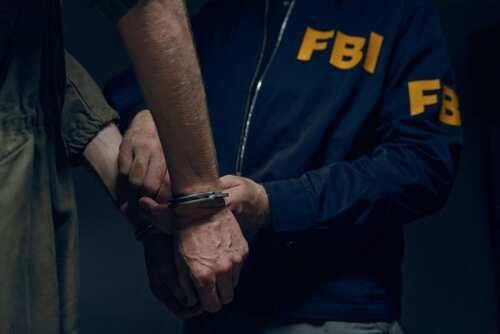
In late 2025, Brian Cole Jr. was charged in federal court for planting pipe bombs near the DNC and RNC headquarters on January 5, 2021. Law enforcement officials identified him through a combination of cell-tower data, surveillance video, and credit-card records. Cole confessed to the crime, but the FBI’s delay in resolving the case, despite these leads, has sparked criticism from various quarters.
The arrest of Cole ends nearly five years of speculation and investigation. However, questions linger about his motives. Prosecutors noted Cole’s disappointment in the 2020 election outcome and his belief in election-fraud conspiracy theories. Despite expressing pro-Trump views, Cole’s anger was directed at both political parties, complicating narratives that solely categorize the attack as partisan terrorism.
🚨 JUST IN: J6 PIPE BOMBER CRIMINAL COMPLAINT RELEASED
FBI was able to pinpoint at EXACTLY which stores on EXACT dates each individual component for the pipe bombs were purchased by suspect Brian Cole Jr
The purchases were made over the course of YEARS
Full doc in replies👇🏻 pic.twitter.com/vNnVjyKUOK
— Nick Sortor (@nicksortor) December 4, 2025
The Online Obsession
Reports suggest that Cole had an unexpected obsession with online content that doesn’t align neatly with extremist profiles. While details are emerging, this aspect of his digital life raises intrigue about his psychological state and potential influences on his actions. The revelation of this online obsession challenges the perception of his motives, indicating a more complex psychological picture.
Such digital footprints are increasingly under scrutiny as investigators seek to understand radicalization and threat assessment. The FBI’s handling of Cole’s case highlights the need for integrating all available data sources swiftly, a point of contention in the face of the prolonged investigation.
FBI’s Investigative Delays
The FBI’s extensive resources and public efforts to identify the pipe bomber have drawn criticism due to the prolonged delay in arresting Cole. Retired FBI officials have questioned why easily traceable elements, such as Cole’s credit-card purchases of bomb components and cellphone presence at the scene, did not prompt a swifter resolution. This delay has sparked discussions about the efficiency of investigative methods employed in domestic terror cases.
Moving forward, the case against Cole will likely influence how digital behavior is considered in threat assessments and law enforcement practices. As the judicial process unfolds, the legal and social implications of the case will continue to resonate, especially in how digital footprints are interpreted in terrorism-related investigations.
Sources:
Virginia man charged with planting pipe bombs in DC on eve of Capitol riot appears in court
FBI expert questions suspect’s motives: Was Brian Cole Jr.’s bomb plot a clever hoax?
Former FBI agent questions delay in arrest of pipe bomb suspect despite basic leads