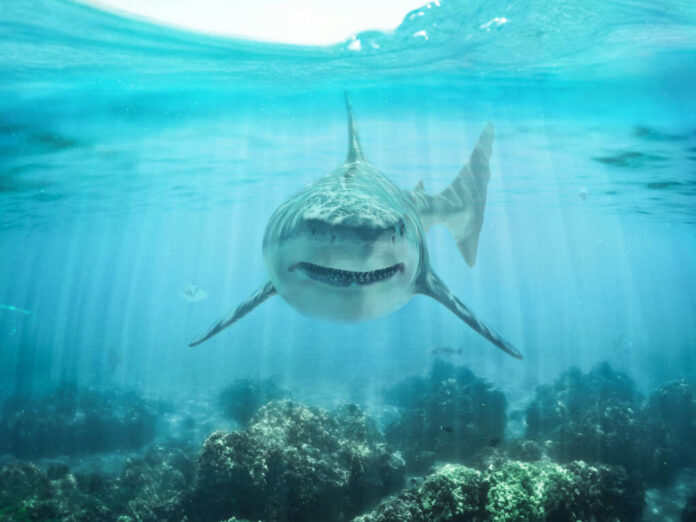
Sharks in the pristine Bahamas waters are testing positive for cocaine, caffeine, and painkillers, exposing how unchecked tourism and global pollution threaten America’s vital ocean resources and fishing industries.
Story Highlights
- Researchers detected drugs in 28 of 85 sharks off Eleuthera, including first-ever caffeine traces globally and cocaine in Bahamian sharks.
- Culprits trace to tourist wastewater, urbanization, and lost drug packets, hitting even remote “paradise” areas near diving spots.
- Potential metabolic stress and behavioral changes in sharks signal broader risks to marine biodiversity and human seafood safety.
- Tourism-dependent Bahamas faces reputation damage, echoing conservative calls for responsible development over reckless globalism.
- Experts urge immediate wastewater action, paralleling fights against overregulation that burdens American families and businesses.
Drug Traces Found in Bahamian Sharks
Researchers from Bahamas, Brazil, and Chile analyzed blood from 85 sharks of five species, including nurse, Caribbean reef, and baby lemon sharks. Captured four miles off Eleuthera coast near tourist diving areas, 28 sharks tested positive for drugs. Caffeine appeared most frequently, a global first in sharks. Over-the-counter painkillers like acetaminophen and diclofenac showed up too. Two cases involved cocaine, unprecedented for Bahamian waters. The peer-reviewed study published May 1, 2026, in Environmental Pollution highlights recent exposure via blood samples.
Sources of Contamination Exposed
Sharks encounter drugs by biting investigative packets, such as lost cocaine bales, or ingesting polluted wastewater from boats and tourist zones. One baby lemon shark in a nursery creek carried cocaine, with nearby residue packets observed. Eleuthera, a remote island, faces threats from cruise traffic and development. Untreated sewage carries pharmaceuticals as “contaminants of emerging concern.” This mirrors Brazil’s 2024 study where all 13 Rio sharks had cocaine in muscle tissue, indicating chronic exposure unlike the acute blood detections here.
Lead biologist Natascha Wosnick from Federal University of Paraná notes sharks “bite things to investigate and end up exposed.” Findings link drugs to metabolic shifts signaling stress. Marine expert Tracy Fanara from University of Florida, former Cocaine Sharks producer, connects coastal infrastructure and tourism to marine food webs. The 2023 Discovery show simulated exposure, revealing strange hammerhead behavior chasing fake bales.
Health and Economic Risks Mount
Contaminated sharks show associated metabolic marker changes tied to stress, with simulations suggesting behavioral alterations. Long-term, continual drug influx risks marine biodiversity and human health through seafood consumption and recreational exposure. Five shark species affected, plus broader ocean life. Bahamian communities reliant on tourism suffer reputation hits to their “pristine” image, pressuring development policies. Global seafood consumers face indirect threats from polluted chains.
https://twitter.com/RedState/status/2038257371470844040
Researchers call for urgent mitigation like improved wastewater treatment. This underscores tourism and urbanization’s pollution role, akin to plastic pervasiveness. Conservative values prioritize stewardship of natural resources for families and industries, without government overreach. Limited direct causation data exists; more studies needed on health effects. Parallels exist to American fights against fiscal mismanagement inflating energy costs while oceans bear globalist excesses.
Sources:
Sharks in Bahamas test positive for cocaine, caffeine, painkillers
Cocaine, caffeine and painkillers consumed by sharks in Bahamas, study finds
Cocaine, caffeine and painkillers found in sharks’ blood in the Bahamas
Sharks Are Testing Positive For Cocaine and Caffeine in The Bahamas
Cocaine sharks: Drugs found in blood of sharks in the Bahamas