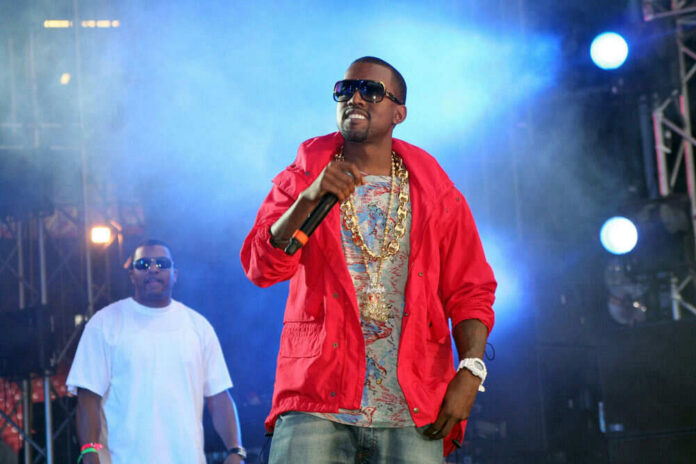
A French mayor just helped kill a major Kanye West stadium show before tickets even went on sale—raising a familiar question for Americans about who gets to decide what speech is “too dangerous” to hear.
Story Snapshot
- Marseille Mayor Benoît Payan said he would block a planned June 20, 2026 Kanye West (Ye) concert at the city-owned Orange Vélodrome, citing “unabashed Nazism” and antisemitic controversies.
- Live Nation France canceled the event on February 28, 2026, publicly pointing to security concerns, ending the dispute almost immediately.
- France’s tighter hate-speech framework and municipal control of public venues gave local officials leverage that would look very different under U.S. First Amendment standards.
- Ye responded online with criticism of France and threatened legal action, but no filed lawsuit was confirmed in the provided research as of March 4, 2026.
Mayor’s Veto Threat Put a Stadium Show on a Short Fuse
Marseille Mayor Benoît Payan announced on February 27, 2026 that he intended to prevent Kanye West from performing at Orange Vélodrome, a city-owned stadium reportedly booked for June 20. Payan framed his objection around Ye’s record of antisemitic remarks and Nazi-related imagery, arguing the city should not subsidize or authorize an event tied to hate speech. The booking reportedly emerged quietly through Live Nation France before Payan went public.
Live Nation canceled the Marseille date on February 28, citing security concerns and describing the decision as a mutual arrangement. With that, the practical fight over permits and venue access ended before a broader court test could play out. The research indicates the stadium’s city ownership matters, because municipal approval is part of how major events are authorized. For Americans, that’s a reminder that “who owns the venue” can become “who controls the message.”
France’s Hate-Speech Rules Create a Different Free-Speech Battlefield
France regulates hate speech more aggressively than the United States, and the research points to laws that allow penalties for incitement and related offenses. Local leaders also weigh public-order concerns heavily after years of terrorism and civil unrest, making “security risk” a powerful rationale even when controversy is primarily cultural. In this case, Payan’s public stance and the promoter’s security justification converged into the same result: no show, no ticket sales, and no test of how far limits can go.
That distinction matters for U.S. readers who still remember how quickly “misinformation” and “hate” labels were expanded during the previous era of cultural policing. Americans often accept that private companies can deny platforms, but government officials deciding who may perform in a public facility hits differently. The research describes this as a clash between France’s secular-republic model and more absolutist American speech instincts. Even if many find Ye’s past statements offensive, the mechanism—government leverage—deserves scrutiny.
Why Marseille Became the Flashpoint—and Why It Was So Easy to Cancel
The research describes Marseille as France’s second-largest city with a diverse population, including a significant Jewish community, and notes heightened concern about antisemitism nationally. That local context helped drive pressure on officials to avoid normalizing extremist themes in a marquee cultural event. At the same time, the promoter’s rapid withdrawal shows the commercial reality: once an event is deemed high risk for protests, policing costs, and reputational damage, cancellation becomes the lowest-liability path—even if fans are willing to attend peacefully.
Ye’s Pattern of Controversy Followed Him Across Borders
Ye’s current troubles did not begin in France. The research recounts widely reported controversies that accelerated in 2022 and continued into later releases and performances, including statements praising Hitler and Nazis and other antisemitic rhetoric that caused major corporate partners to sever ties. Those public episodes became the backbone of Payan’s argument that a Marseille concert would effectively provide a civic platform to something France treats as unlawful or destabilizing. Ye’s team, according to the research, disputes the characterization and calls it provocation.
Economic and Political Fallout: A Local Win, a Broader Precedent
Estimates cited in the research suggest Marseille could lose around €2 million in surrounding ticketing and tourism activity, with refunds and logistics falling to the promoter. Politically, Payan’s move drew support from Jewish advocacy voices while also giving opponents a cultural wedge to exploit. Longer term, the bigger story is precedent: once elected officials successfully pressure promoters to pull a major artist due to alleged ideology, the playbook exists for future controversies—potentially targeting other “unacceptable” viewpoints as definitions shift.
For conservative Americans watching from 2026—after years of institutions trying to reframe speech as violence—the Marseille episode is a case study in how quickly “public safety” and “community standards” can become the decisive levers. Nothing in the provided research shows a U.S.-style constitutional framework at play here, and that’s the point: in systems where the state has broader authority over expression, cancellations can happen fast, with minimal transparency, and without a full public debate.
Sources:
Marseille mayor opposes Kanye West gig over ‘unabashed …
Marseille mayor opposes Kanye West concert over ‘ …
Marseille mayor opposes Kanye West gig over ‘unabashed …
Marseille mayor opposes Kanye West gig over ‘unabashed …