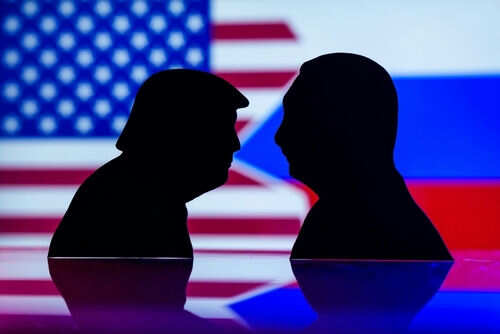
Putin exploits the Iran War to bleed American resources and split NATO, turning Trump’s second-term promise of no new wars into a dangerous diversion that risks Ukraine and U.S. strength.
Story Snapshot
- Russian intelligence and drones enable Iran’s strike destroying U.S. E-3 Sentry AWACS at Prince Sultan Air Base, injuring 12 Americans.
- Putin rejected Trump’s intelligence swap deal, using Iran as proxy retaliation to drain U.S. weapons from Ukraine.
- Higher oil prices from the conflict fund Russia’s Ukraine offensive, amplifying frustrations over endless foreign entanglements.
- MAGA base questions endless wars while Putin aims to fracture NATO unity and stabilize Tehran’s regime.
Putin’s Proxy Strike on U.S. Forces
Iran launched a devastating attack last week on Prince Sultan Air Base in Saudi Arabia, destroying a critical U.S. E-3 Sentry AWACS aircraft and damaging refueling planes. The strike injured 12 Americans. Russian satellite imagery, targeting data, intelligence, and drones directly enabled this precision hit. Putin supplied these assets in recent weeks to bolster Iran’s defenses against U.S.-Israeli operations. This incident echoes Russia’s past tactics, like Taliban bounties in Afghanistan, to indirectly harm American troops without direct confrontation. Such moves erode U.S. military edge and fuel doubts about foreign commitments.
Rejected Deal Signals Escalation
Putin offered the Trump administration a deal: Russia halts aid to Iran if the U.S. stops intelligence sharing with Ukraine. Trump rejected the proposal, prioritizing support for Kyiv. Days later, the base strike followed as apparent retaliation. Russia has lost most of its AWACS fleet in Ukraine, now down to 4-8 operational units, motivating this tit-for-tat via Iran. The move diverts U.S. weapons and attention from Ukraine, amplifying isolationist pressures within Trump’s base. Conservatives wary of regime-change wars see this as Putin exploiting American overstretch.
Russia-Iran Axis Advances Moscow’s Goals
Post-2022 Ukraine invasion, Russia deepened ties with Iran through military-technical cooperation, sanctions evasion, and drone production. No mutual defense pact exists, allowing Putin calibrated involvement. Russia condemns U.S.-Israeli strikes that killed Supreme Leader Ali Khamenei on February 28, 2026, while launching 106 missiles at Ukraine that same day. Putin now mass-produces Shahed drones domestically, reducing reliance on Tehran. This “authoritarian axis” opposes Western pressure, with Russia benefiting from oil price spikes that fund its war chest. U.S. energy concessions further empower sanctioned Moscow.
Trump’s transactional approach to Ukraine peace faces hurdles as Russian aid sustains Iran’s fight. Marco Rubio signals a U.S. “finish line” in Iran, hinting at Tehran talks and NATO rethinking. Yet Putin prioritizes Ukraine conquest, using the Middle East to split transatlantic unity.
Impacts Strain U.S. Priorities and Alliances
Short-term, the E-3 loss creates air-defense gaps, delays Ukraine aid, and boosts Russian oil revenues. Long-term, weakened deterrence invites aggression, stabilizes Iran’s regime, and fosters NATO fissures. Europeans risk unity splits; Ukrainians face delayed support. Economic volatility aids Russia while global disruptions pressure U.S. sanctions relief. Defense sectors grapple with drone proliferation. Political fallout bolsters isolationism, delaying peace. For Trump’s supporters, frustrated by high energy costs and unfulfilled no-new-wars pledges, this underscores limited government’s clash with endless entanglements abroad.
Putin’s strategy positions Russia as spectator-beneficiary-player, shaping outcomes without entrapment. Experts note pragmatic limits prevent overcommitment, yet warn of multiplied influence across theaters. Conservatives demand focus on America First, questioning diversions that erode constitutional priorities like secure borders and fiscal restraint over foreign proxies.
Sources:
Russia, Europe and the Iran War | CEPA Fellows
Spectator, Beneficiary, Player: Russia’s Strategy in the Iran War, Oil & Drones
Kyiv Post article on Rubio statements
From Tehran to Donbas: What the Iran War Means for Russia and Ukraine
Twenty Questions (and Expert Answers) About the Iran War