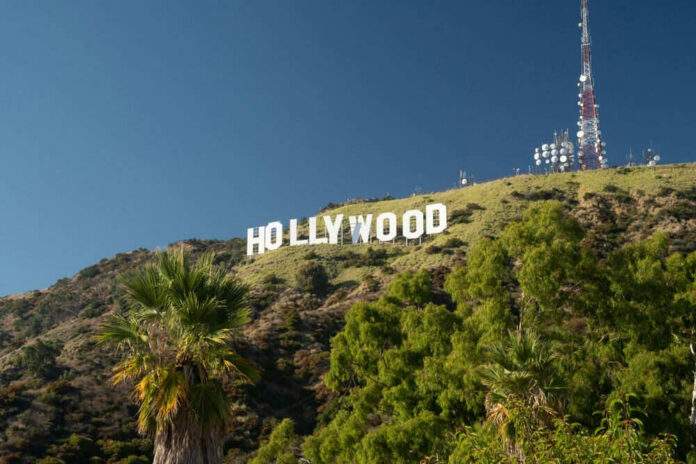
Hollywood’s writers’ guild just canceled its own Los Angeles awards show because its own staff is on strike over pay and AI protections—an irony that exposes how fast the industry’s “progress” talk collapses into internal chaos.
Story Snapshot
- WGA West canceled its March 8, 2026 Los Angeles awards ceremony at the JW Marriott amid an ongoing strike by 115 staffers.
- The staff union says it wants higher pay, “just cause” protections, and clearer limits on artificial intelligence use in union work.
- WGA West leadership says it won’t cross picket lines and will plan an alternative celebration for nominees, while refunds and sponsorship issues loom.
- The WGA East ceremony in New York is still expected to proceed, creating a split-coast awards season moment.
Why WGA West Pulled the Plug on Its Los Angeles Ceremony
Writers Guild of America West canceled its 2026 Los Angeles awards ceremony scheduled for March 8 at the JW Marriott after its own staff strike entered a second week. The striking group—115 employees represented by the Writers Guild Staff Union—has been in contract negotiations since September 2025 and walked out February 17. WGA West President Michele Mulroney notified presenters that the ceremony would not proceed as planned.
WGA West’s position, as reported, centers on avoiding a situation where members or guests would be asked to cross picket lines for a red-carpet celebration. The guild also pointed to the practical reality of staging a major event while key internal staff are picketing outside the guild’s Fairfax offices. WGA West indicated it intends to hold an alternative Los Angeles-area celebration for nominees and winners rather than a full ceremony.
What the Striking Staff Is Demanding—and What’s Still Unproven
The Writers Guild Staff Union says the dispute is about more than wages. Reported demands include higher pay, protections tied to artificial intelligence use, and “just cause” standards that can limit arbitrary firings and strengthen grievance procedures. The staff has also raised allegations of unfair labor practices, including claims of bad-faith bargaining, surveillance of union activity, and terminations tied to organizing. WGA West has denied the unfair-practices allegations.
Because those accusations are contested, the most solid ground for readers is what multiple reports agree on: the strike was authorized with strong internal support earlier in the year, it began February 17, and it has already forced a high-profile institutional retreat. When both sides present competing narratives, the public typically learns more only after formal filings, documentation, or third-party reviews clarify what happened behind closed doors.
A Split-Coast Awards Season—and a Warning Sign Before Bigger Talks
The cancellation is also notable because it does not shut down the entire WGA awards footprint. WGA East’s New York ceremony is still expected to go forward, meaning the industry will likely see an unusual single-coast spotlight for an awards show that normally carries major Oscar-season signaling power. WGA Awards often act as a predictor pipeline for Academy Award contenders, and that promotional stage now looks uneven for Los Angeles-based nominees.
The timing matters because the wider labor calendar is tightening. The last major WGA strike against studios in 2023 lasted 148 days and ended with a three-year deal scheduled to expire May 1, 2026. With mid-March negotiations with studios approaching, any internal fracture inside the guild ecosystem becomes a distraction—and potentially a leverage issue. The staff union argues that management actions are creating a wedge before those talks, while WGA West insists it is bargaining in good faith.
What This Tells Regular Americans About Elite Institutions and AI Policy
For Americans tired of elites lecturing the country about “fairness” while failing basic governance, the WGA West dispute is a real-time case study: even organizations built on collective bargaining rhetoric can struggle to manage their own workplace relationships. The AI component is also a reminder that new technology debates are no longer abstract. Workers are demanding guardrails, while management must balance cost, efficiency, and legal risk—exactly the kind of institutional pressure that often ends with more bureaucracy and less accountability.
https://twitter.com/nypost/status/2028276633287680297
At this point, the practical outcome is clear even if the blame isn’t: nominees and viewers lose a major Los Angeles event, sponsors and ticket-holders face refunds and uncertainty, and the guild faces public scrutiny just as Hollywood heads into more contract brinkmanship. With limited post-cancellation reporting in the provided research, the key verified fact is the cancellation itself and the ongoing strike status—whether a deal arrives quickly will determine if this becomes a short embarrassment or a longer-running credibility problem.
Sources:
WGA cancels Los Angeles awards show amid labor strike
Amid staff union strike, the Writers Guild might cancel its awards show