U.S. prosecutors have placed Colombia’s leftist President Gustavo Petro under scrutiny as a DEA “priority target” for alleged drug trafficking ties, raising alarms about foreign leftist corruption flooding American streets with cocaine.
Story Snapshot
- DEA internally labels Colombian President Gustavo Petro a “priority target” based on narcotrafficker interviews and records.
- New York federal prosecutors investigate claims Petro’s representatives sought bribes from jail inmates to block U.S. extraditions.
- Petro, former guerrilla rebel and Colombia’s first leftist leader, denies all involvement amid the nation’s role as top cocaine producer.
- Probe echoes U.S. actions against Venezuela’s Maduro, signaling firm anti-drug stance under President Trump.
- No charges filed yet; early-stage inquiry strains recent U.S.-Colombia diplomatic thaw.
Prosecutors Target Petro’s Alleged Drug Ties
Federal prosecutors in Brooklyn and Manhattan began questioning narcotraffickers several months ago about Gustavo Petro’s connections. Interviews revealed claims that Petro’s representatives solicited bribes or campaign donations from inmates in Colombian jails. These payments allegedly aimed to halt extraditions to the United States. The Drug Enforcement Administration elevated Petro to “priority target” status in internal records obtained by the Associated Press. This development underscores America’s renewed commitment to dismantling international drug networks that prey on its communities. No criminal charges have emerged, and Petro firmly denies any ties.
Petro’s Rebel Past and Leftist Policies
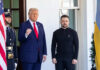
Gustavo Petro rose to power in 2022 as Colombia’s first leftist president after leading the M-19 guerrilla group. His platform promised poverty reduction, fossil fuel cuts, and drug policy shifts in the world’s leading cocaine producer. U.S. tensions marked early relations, including President Trump revoking Petro’s visa over inflammatory pro-Palestinian remarks comparing U.S. migration policy to Nazi tactics. Brief tariffs followed Colombia’s refusal of deportation flights. A February 2026 White House meeting thawed ties, with Trump calling Petro “terrific.” Yet ongoing New York probes uncovered these disturbing links through trafficker statements.
Investigation Details and Timeline
The New York Times reported the federal inquiry on March 20, 2026. The Associated Press followed on March 21 with details on the DEA’s designation, citing agency records and two anonymous sources. Prosecutors focus on jail intermediaries facilitating bribes for campaign funds or extradition blocks. Unnamed narcotraffickers provided key testimony, potentially seeking leniency. Petro’s office declined comment, while he personally rejected the allegations. This early-stage probe involves no White House role, prioritizing U.S. anti-narcotics enforcement. Journalists frame it as unproven but significant given precedents like Venezuela’s Nicolás Maduro.
Unlike Maduro, indicted years before his 2026 capture, Petro remains a “subject” without formal charges. The distinction highlights bribery via proxies rather than direct trafficking. Consistent reporting across outlets confirms the probe’s scope, though direct involvement by Petro stays unverified.
U.S.-Colombia Relations and Implications
America holds leverage through extraditions and trade tools, pressuring Colombia amid its cocaine dominance. Short-term risks include visa restrictions or renewed tariffs, disrupting recent diplomatic gains. Long-term, escalation could undermine Petro’s reforms and hinder joint anti-drug efforts. U.S. enforcement stands to benefit from leads on Colombian networks, protecting communities from fentanyl and cocaine floods. Political fallout erodes leftist credibility in Latin America, aligning with conservative priorities of border security and limited tolerance for corruption enabling illegal immigration and drugs.
Stakeholders include New York prosecutors leading the charge, DEA targeting threats, and traffickers cooperating for deals. President Trump’s pragmatic diplomacy tempers response, but his administration’s America First policies demand accountability. Improved ties may slow escalation, yet drug war imperatives prevail. Communities face ongoing risks from unchecked narco-influence abroad.
Sources:
U.S. Prosecutors Probe Whether Colombian President Petro Had Ties to Drug Traffickers (LA Times/AP)
US prosecutors probing claims Colombian president had ties to narco-traffickers (ABC6)
US prosecutors probing claims Colombian president had ties to narco-traffickers (KVAL)