Trump’s 48-hour ultimatum to Iran over the Strait of Hormuz has turned a shipping chokepoint into a high-stakes test of American resolve—and a potential shockwave for energy prices at home.
Quick Take
- President Trump warned Iran of “total decimation” if it does not reopen the Strait of Hormuz within 48 hours.
- Iran signaled it will not comply and threatened retaliation against U.S. and regional energy, IT, and water infrastructure.
- The U.S. is reinforcing the Middle East posture with additional Marines and amphibious assault ships as markets react to uncertainty.
- War-risk insurance is reportedly discouraging shipping through the strait, tightening supply even amid disputes over whether it is “technically” closed.
Trump’s Deadline Puts Hormuz Back at the Center of Global Energy Security
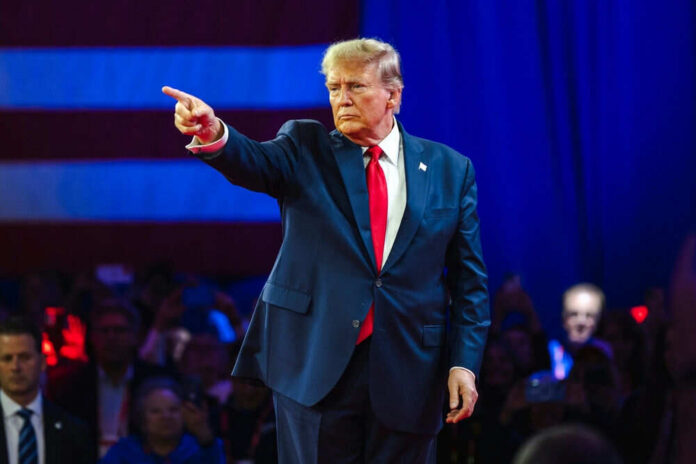
President Donald Trump delivered a blunt message on March 22, 2026: reopen the Strait of Hormuz within 48 hours or face devastating consequences, including threats against Iranian power infrastructure. The warning lands on a familiar battlefield where Iran has repeatedly tried to leverage geography against the West. The Strait is a narrow passage critical to maritime oil trade, and even partial disruption can ripple through fuel costs and household budgets.
Iran’s response, as reported across outlets, has been defiant rather than conciliatory. Iranian officials signaled the regime would not back down and raised the specter of broad retaliation—language that includes targeting energy and water-related systems. That kind of tit-for-tat posture is exactly what turns a regional confrontation into a worldwide economic problem. For American voters still angry about years of inflation and energy whiplash, the stakes feel immediate.
Military Reinforcements and a Short Clock Raise the Risk of Rapid Escalation
U.S. force posture in the region is shifting alongside the rhetoric. Reports indicate the administration is sending three additional amphibious assault ships and roughly 2,500 Marines, adding to a substantial U.S. presence that has been described as more than 50,000 troops in theater. The compressed “48-hour” window matters because it reduces room for quiet diplomacy and increases pressure for visible action—on both sides.
Analyst commentary included in the research points to a key challenge: Iran’s ability to use asymmetric tactics and endure prolonged strain. Iran has experience surviving long conflicts and can harass shipping with mines, small-boat operations, drones, and missiles, potentially keeping markets on edge even without a decisive naval battle. That means the strategic question is not just whether the strait is reopened, but whether commerce can move reliably without constant threat.
Insurance Markets May Be “Closing” the Strait Even When Governments Argue Over Words
One underappreciated pressure point is war-risk insurance. Reporting indicates insurers have been hesitant to cover vessels transiting the Strait of Hormuz due to conflict risk, which can effectively choke off traffic even if a government claims the route is not “technically” closed. This is how modern economic warfare works: shipping can grind down because private actors refuse to absorb catastrophic risk, and that tightening can lift oil prices fast.
Market reaction captured in the research reflected that uncertainty, with stock index futures reportedly slipping as investors weighed the risk of escalation and energy disruption. When energy costs jump, everything from groceries to trucking gets more expensive, and families on fixed incomes feel it first. Conservatives who watched years of overspending collide with higher prices understand why stability in a critical energy corridor isn’t an abstract foreign-policy debate.
Infrastructure Targeting Creates Moral and Strategic Dilemmas—Even for Tough Postures
The research highlights that threats and counter-threats have drifted toward infrastructure, including power and desalination systems. That is a dangerous category because it can hit civilians quickly, regardless of who “wins” a given exchange. A senior administration figure, David Sacks, warned that destroying key infrastructure could make the Gulf “almost uninhabitable” by undermining desalination capacity tied to water access for massive populations. That warning underscores the humanitarian fallout risk.
At the same time, the core dispute remains about free passage and the ability of a hostile regime to “bully” a global chokepoint. UAE diplomatic messaging described in the research suggests some regional partners are thinking beyond a ceasefire toward “lasting security” aimed at curbing Iran’s nuclear and missile capabilities and its behavior around the straits. For constitutional-minded Americans, the priority is clear: protect U.S. interests without stumbling into open-ended nation-building.
What to Watch Next: Compliance, Blockade Alternatives, and the Absence of Talks
Two practical questions dominate the near-term outlook. First, whether Iran takes any step that restores real commercial traffic—meaning ships can sail and get insured—before the deadline. Second, whether the U.S. chooses a pressure option short of infrastructure strikes, such as proposals noted in the research for a naval blockade of Iran’s oil exports. Those alternatives matter because they could change Iran’s calculus while reducing civilian harm.
Trump Warns Iran 'Total Decimation' Is Coming After Strait of Hormuz Threat: 'They’re Getting Their Comeuppance' https://t.co/vssqEbSAld pic.twitter.com/VLGycNtK8c
— Mediaite (@Mediaite) March 22, 2026
Negotiations appear limited, with reporting in the research stating there was no evidence of diplomatic talks aimed at halting the conflict as of March 22. That vacuum raises the odds that the next “signal” comes from military movement, not diplomacy. Americans who want peace through strength should demand clarity: keep the objective focused on reopening the strait and protecting U.S. forces and allies, while avoiding mission creep that drains lives and treasury.
Sources:
stock-market-today-dow-futures-oil-prices-trump-strait-of-hormuz-deadline-iran-war