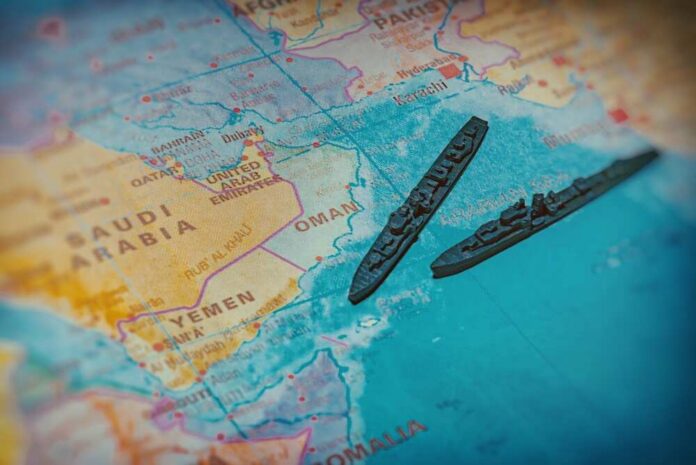
A U.S. seizure of an Iran-bound ship near the Strait of Hormuz is testing whether China is quietly helping America’s adversaries—or whether Washington is heading toward a tariff and security showdown without public proof.
Quick Take
- U.S. forces seized the Iranian-flagged cargo ship Touska in the Gulf of Oman as part of efforts to block weapons transfers to Iran.
- President Trump publicly suggested the ship carried a “gift from China” for Iran, but did not specify the cargo or release evidence.
- China’s Foreign Ministry flatly denied any connection and warned against using the incident as a pretext for new tariffs.
- The cargo inspection remains ongoing, leaving the most explosive claim unverified while tensions rise around the Strait of Hormuz.
U.S. Interception Puts a Spotlight on the Iran Blockade
U.S. forces seized the Iranian-flagged cargo ship Touska on April 19, 2026, in the Gulf of Oman near the Strait of Hormuz, a chokepoint that carries a significant share of global energy shipments. Reporting describes the action as part of U.S. pressure on Iranian supply lines and suspected weapons transfers. The ship remains in U.S. custody while its cargo is examined, and officials have not publicly confirmed what was found.
The limited verified details are what make the episode politically combustible. Americans frustrated by years of global instability and perceived weak enforcement see interceptions like this as a test of whether the federal government can protect U.S. interests without sliding into another open-ended crisis. At the same time, the lack of disclosed evidence invites skepticism across the political spectrum, especially after years in which competing administrations have asked the public to “trust the process” on foreign-policy claims.
Trump’s “Gift from China” Claim Escalates the Stakes
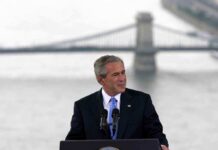
President Trump brought the seizure into sharper focus on April 21, saying in a televised interview that the U.S. had caught an Iranian ship with a “gift from China,” while also saying he was surprised and believed he had an understanding with President Xi. The public remarks did not describe the items on board, and no independent confirmation of Chinese-origin military cargo has been released. That gap matters, because allegations of weapons support carry major consequences.
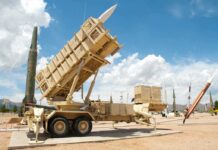
According to related reporting cited in the research, U.S. intelligence had assessed China was preparing to deliver new air-defense systems to Iran within weeks—an assessment that may shape how the administration and Congress interpret the Touska route. Separately, shipping-path reporting indicates the vessel made multiple stops in Zhuhai, a major port in southern China, before moving through Southeast Asia toward Iran. Even if cargo is “dual-use,” enforcement decisions can quickly become geopolitical flashpoints.
China Denies Involvement and Warns Against Tariff “Pretexts”
China’s Foreign Ministry rejected the allegation the same day, with spokesman Guo Jiakun saying the seized vessel was a foreign container ship and that China opposes what it called “false association and speculation.” Beijing also framed the Strait of Hormuz as “sensitive and complex,” language that signals both diplomatic concern and a warning that U.S. actions could be portrayed as destabilizing. China has also warned it would respond if the claim is used to justify additional tariffs.
This dispute is unfolding against the backdrop of U.S.-China economic pressure and threatened tariff escalation. If the administration can document prohibited military shipments, Republicans will argue it supports a tougher line on China and validates America First trade leverage. If the claim remains unproven, Democrats will likely attack the administration for inflaming tensions without evidence—while many voters, right and left, will conclude yet again that Washington’s institutions communicate poorly and reveal too little in moments that affect markets, security, and the cost of living.
What’s Known, What Isn’t, and Why the Strait of Hormuz Raises the Risk
Verified facts in the available reporting include the timing of the seizure, Trump’s remarks, and China’s denial, while the alleged “gift” remains unverified pending inspection results. A maritime transparency expert quoted in the research noted the ship’s apparent attempt to “run the blockade” suggests it carried something Iran “really perhaps needed,” but cautioned the origin was unknown. That caution is central: without disclosed inspection findings, outsiders cannot separate weapons, dual-use goods, or ordinary commerce.
China denies US-detained ship in Middle East contained ‘gift’ for Iran https://t.co/DsiZcu6CZh pic.twitter.com/kCKLTWEjPR
— NA404ERROR (@Too_Much_Rum) April 22, 2026
The strategic risk is that ambiguity itself can become fuel. The Strait of Hormuz is where miscalculation can rapidly spill into broader conflict, disrupt shipping, and drive energy-price volatility—costs that hit working families first. For conservatives, the episode underscores why credible deterrence and transparent enforcement matter; for liberals, it raises familiar concerns about escalation and secrecy. Until the U.S. releases verifiable inspection details, the public debate will be driven more by trust—or distrust—than by settled facts.
Sources:
‘Thought I had understanding with Xi’: Trump says ship seized by US had ‘gift from China’ for Iran
China-linked route exposed after US seizes Iran-bound ship suspected of ‘dual-use’ cargo
China voices concern over US seizure of Iranian cargo ship
Trump says US caught ‘Chinese gift’ for Iran, testing red line
China says concerned over US intercepting Iranian ship in Strait of Hormuz