Iran’s regime isn’t just suppressing dissent—it is reportedly slaughtering its own people at a scale that should end any lingering illusions in the West about “reform” or “moderation.”
Quick Take
- Human-rights reporting describes a 2025–2026 protest crackdown marked by mass killings, mass arrests, torture allegations, and fast-tracked executions.
- Reported death-toll estimates vary, but multiple sources converge on a catastrophic level of violence made harder to verify during internet blackouts.
- Iran’s security apparatus and judiciary are described as working in tandem—force in the streets followed by expedited prosecutions and death sentences.
- Separate reporting says Iranian strikes across the Gulf killed civilians, adding a regional threat dimension alongside the internal repression.
What the 2025–2026 crackdown reportedly looks like on the ground
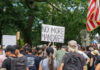
Iran’s late-2025 protests escalated into deadly confrontations in early January 2026, with reporting from rights monitors describing live-fire tactics, mass roundups, and violence aimed at terrorizing communities into silence. Accounts include allegations of deliberate targeting of vital organs, arson attacks that trapped protesters, and detainee abuse. Reported arrest figures exceed 50,000, while death-toll estimates range into the tens of thousands, reflecting the difficulty of verification under censorship and chaos.
Iran’s information controls are a central part of the story. Reports describe an internet blackout beginning around January 8 that cut civilians off from the outside world as violence peaked. That matters because it slows documentation, prevents families from locating loved ones, and shields state actors from scrutiny while events are unfolding. Where evidence does emerge, it is often pieced together from witness testimony, videos obtained later, and tallies compiled by advocacy organizations working under hostile conditions.
How Tehran’s power structure enforces the crackdown
Reporting consistently points to a top-down system: the Supreme Leader sits at the apex, security forces enforce suppression, and the judiciary converts street violence into legal finality. The Islamic Revolutionary Guard Corps and Basij are repeatedly identified as key tools for crowd control and intimidation, while police and plain-clothes agents reportedly conduct raids and arrests. Meanwhile, the judicial system is described as enabling expedited proceedings, including death sentences and executions that critics say violate basic due-process protections.
Specific episodes cited by observers underscore how fast events moved in January 2026. Lawyers publicly warned about “show trials,” while reports described overwhelmed facilities and signs of large-scale loss of life. Rights groups and media summaries also describe allegations of coerced confessions and abuse in detention, including sexual violence—claims that are difficult to verify independently but recur across multiple human-rights accounts. Where counts differ, the direction of the evidence still points to extraordinary brutality rather than isolated misconduct.
Executions, fear, and the limits of verification under blackout conditions
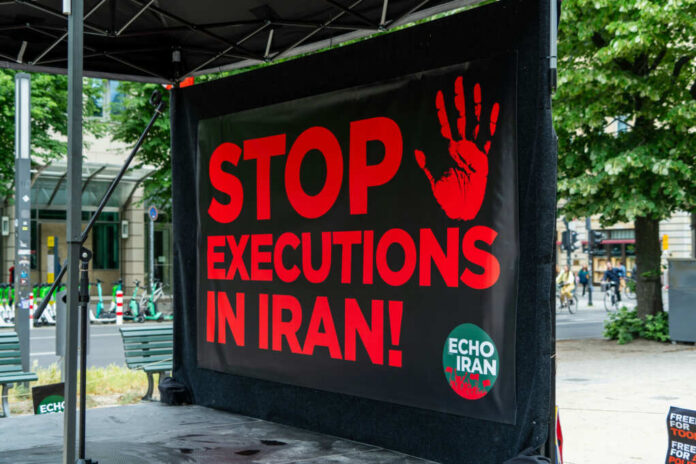
As the crackdown continued into February and March 2026, reports described ongoing arrests and a pattern of expedited executions, sometimes with claims that deaths were disguised to blunt public reaction. UN-linked reporting warned of torture risks for detainees and raised alarms about capital punishment following rushed legal processes. The key limitation is the same one Iran appears to rely on: restricted access, intimidation of witnesses, and disrupted communications that prevent a complete accounting while the repression is still underway.
Regional spillover: Gulf civilian casualties raise the stakes
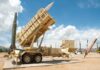
Separate human-rights reporting says Iranian strikes across the Gulf endangered civilians and caused deaths, including migrant workers. That matters for Americans evaluating Iran not only as an internal human-rights abuser but as a regime willing to project force in ways that put noncombatants at risk beyond its borders. Combined with internal mass repression, these episodes reinforce why Tehran remains a core national-security challenge—and why clear-eyed policy should prioritize deterrence and accountability over wishful diplomacy.
For a U.S. audience that watched years of foreign-policy “resets” and carefully worded statements produce little change, this wave of reporting reads like a brutal reminder: regimes that crush their own citizens rarely become stable partners abroad. The available documentation does not answer every question—blackouts and fear make that impossible—but it does provide a consistent picture of a government using state power to silence dissent through lethal force, mass detention, and harsh punishment. That is the context policy-makers must face.
Sources:
UN News – UN experts warn of torture risks and executions amid Iran crackdown (March 2026)
Human Rights Watch – Iran: Unlawful Strikes Across Gulf Endanger Civilians
Wikipedia – 2026 Iran massacres
Iran HRM – Human rights violations in Iran under Ali Khamenei (1989–2026)
Amnesty International – What happened at the protests in Iran?
OHCHR – UN expert warns of deepening human rights crisis in Iran
OHCHR – Iranian civilians caught between ongoing armed hostilities and repression
Just Security – Iran crises, human rights, and rules on use of force