U.S. Energy Secretary Chris Wright insists the recent 16% spike in gasoline prices stems from market panic, not actual supply shortages, and will vanish within weeks as the administration dismantles Iran’s retaliatory capabilities.
Story Snapshot
- Gasoline prices jumped 16% to $3.45 per gallon after Iran nearly halted Strait of Hormuz tanker traffic for six days in retaliation against U.S.-Israeli military strikes
- Wright labels the price surge a temporary “fear premium” driven by speculation, not supply disruption, emphasizing global energy supplies remain robust
- The administration deployed a $20 billion reinsurance program and proposed Navy escorts to restore commercial shipping through the Hormuz chokepoint
- Wright ruled out U.S. strikes on Iran’s energy infrastructure while predicting long-term price benefits from neutralizing what he calls two decades of Iranian destabilization
- The Energy Secretary’s current optimism contradicts his 2024 industry report warning that war with Iran could trigger an oil crisis
The Fear Premium Theory Meets Political Reality
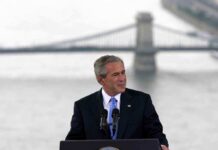
Wright appeared on multiple Sunday news programs to counter escalating anxiety about fuel costs, dismissing concerns as “totally made up” market psychology. The Energy Secretary argued that while the U.S. cannot unilaterally control global oil prices, the current disruption represents emotional overreaction rather than fundamental supply constraints. His messaging targets consumers already rattled by sticker shock at the pump, arriving just as midterm elections loom and political opponents seize on energy costs as campaign ammunition against the Trump administration.
The Strait of Hormuz disruption presents genuine economic risk beyond Wright’s characterization. This narrow waterway channels roughly 20% of global oil transit, and Iran’s six-day blockade reduced commercial traffic to a trickle, with only Iran-affiliated tankers passing through. The administration’s $20 billion reinsurance initiative and potential Navy convoy operations acknowledge the severity of the threat, even as Wright downplays duration. His assertion that only one tanker transited the Gulf in the past 24 hours underscores the fragility of current shipping conditions, contradicting his broader dismissal of supply concerns.
Strategic Calculations Behind the Conflict
The U.S.-Israeli military campaign against Iran destroyed substantial missile and drone capabilities, prompting Iranian retaliation targeting Gulf allies and critical shipping lanes. Wright frames this confrontation as resolving Iran’s role as the “root of economic problems and insecurity in Middle East energy markets” over two decades, including proxy actions through Hezbollah. White House Press Secretary Karoline Leavitt echoed this narrative, arguing short-term pain yields long-term gains for the oil industry through regime change. This strategic vision assumes swift military success and stable post-conflict conditions, gambles that may not materialize as predicted.
Wright explicitly distanced the administration from strikes on Iran’s energy infrastructure, noting Israeli forces conduct local depot attacks while U.S. operations focus elsewhere. This distinction matters for global markets, as direct assaults on Iranian oil production facilities would eliminate millions of barrels from daily supply. The careful choreography suggests awareness that broader energy infrastructure targeting could backfire spectacularly, transforming Wright’s “fear premium” into actual scarcity. The administration walks a tightrope between projecting strength and avoiding actions that validate market panic.
The Contradiction Wright Won’t Address
Wright’s current dismissiveness clashes sharply with warnings he authored as Liberty Energy CEO in 2024, when he predicted an Iran war could precipitate genuine oil crisis conditions. That professional assessment, grounded in industry expertise, conflicts with his political obligation to reassure voters and stabilize markets during election season. The contradiction raises questions about whether Wright’s optimism reflects genuine analysis or messaging discipline required by his cabinet position. American consumers deserve straight answers about energy security, not politically convenient narratives that shift with electoral calendars.
The administration’s multi-week timeline for restoring normal Hormuz traffic and achieving sub-three-dollar gasoline relies on assumptions that Iran will absorb military defeats without escalating asymmetric responses. Iran demonstrated capacity to choke global energy flows despite conventional military disadvantages, a capability that persists regardless of U.S. airstrikes. Wright’s confidence may prove justified if Iranian retaliation exhausts quickly, but history suggests adversaries rarely surrender leverage without extracting maximum costs. Voters watching pump prices climb will judge Wright’s predictions by results, not reassurances, and political consequences will follow if his “few weeks” estimate proves wildly optimistic.
Sources:
U.S. Energy Secretary Says Oil Price Spike Driven by ‘Fear Premium’ – Oil & Gas 360
Chris Wright oil crisis energy secretary – The Telegraph