Trump’s “paper tiger” warning to NATO is colliding with a harsher reality at home: Americans are paying war-driven energy prices while most voters reject sending U.S. troops deeper into Iran.
Story Snapshot
- President Trump blasted NATO allies for refusing to help secure the Strait of Hormuz as the war with Iran entered its third to fourth week in late March 2026.
- The Strait of Hormuz carries about 20% of the world’s oil, and disruptions have fueled soaring oil prices and pain at U.S. gas stations.
- A Reuters-Ipsos poll found only 7% of Americans support sending U.S. ground troops into Iran, underscoring strong resistance to another open-ended conflict.
- The UK has approved U.S. use of British air bases and says it is working with partners on shipping security, but not under a NATO banner.
- Trump is seeking roughly $200 billion more for an expanded Middle East campaign, raising questions about duration, cost, and mission clarity.
Trump Escalates Pressure on NATO as Hormuz Tensions Rise
President Donald Trump publicly criticized NATO allies on March 26, 2026, arguing the alliance has “done absolutely nothing” to help the U.S. secure the Strait of Hormuz during the ongoing war with Iran. Trump said the United States “needs nothing from NATO,” while warning allied inaction should be “never forgotten” and could be “very bad for the future of NATO.” His comments frame the dispute as burden-sharing, not just battlefield tactics.
NATO’s public response has been more cautious than Trump demanded. A NATO official said allies are already working to increase security efforts in the region and are discussing additional steps with the United States and other partners. That language signals consultation and incremental moves, not the kind of visible naval commitment Trump has urged. The gap between Trump’s rhetoric and NATO’s pace is now part of the story, because it affects credibility, deterrence, and the alliance’s unity.
Why the Strait of Hormuz Matters to Your Wallet
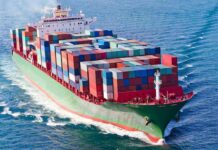
The Strait of Hormuz is a strategic chokepoint because roughly one-fifth of global oil moves through that narrow corridor. Iran’s position gives it leverage to disrupt shipping, and the conflict has increased uncertainty across energy markets. Reporting in the available research indicates oil prices have skyrocketed amid Iranian actions and the broader war risk. For U.S. families already worn down by inflation and high living costs, this is where foreign policy becomes personal: higher crude prices translate quickly into higher gas and diesel.
Iran has kept up military operations despite Trump’s earlier public suggestion that U.S. forces had essentially neutralized Iran’s navy, air force, and air defenses. The research also indicates Iran has tightened its grip around the Strait and struck targets across the region, including critical oil infrastructure. Iran’s foreign minister has argued the Strait remains open but is closed to “enemies,” framing Tehran’s moves as defensive. The bottom line is the waterway remains contested enough to keep markets on edge.
Ground Troops, Kharg Island, and a Public That Says “No”
The war’s next phase is where MAGA voters’ frustration is most likely to intensify. Trump is reportedly hedging on sending troops to Kharg Island, a major oil hub about 15 miles off Iran’s coast, after U.S. strikes targeted Iranian military assets there. At the same time, a Reuters-Ipsos poll of 1,545 Americans found only 7% support sending U.S. ground troops into Iran. That number is a warning light for any administration contemplating escalation.
The political tension is straightforward: Trump’s past branding leaned heavily against large, prolonged Middle East wars, yet the current conflict is already stretching into weeks with no clearly stated end-state in the research provided. For conservatives who prioritize limited government and accountability, the central question becomes mission definition—what counts as success, what resources are required, and what constitutional and fiscal guardrails will restrain a drift into another multi-year commitment.
Allies Offer Conditional Help as Trump Eyes a Bigger War Budget
Internationally, the coalition picture looks mixed. Trump has said he is in talks with about seven countries about helping secure the Strait, while reporting also indicates around 20 countries would be willing to help only after a ceasefire is established. The UK has taken steps by approving U.S. use of British air bases and says it is working with partners on a plan for safe oil shipments, but emphasizes the effort would not be run as a NATO operation.
WATCH: Trump Slams “Paper Tiger” NATO for Refusing to Help Secure the Strait of Hormuz, Says “We Don’t Need Them” and He’ll “Never Forget”
READ: https://t.co/yH152Y1i7J pic.twitter.com/iBcmjN9IHa
— The Gateway Pundit (@gatewaypundit) March 27, 2026
Trump is also working to secure an additional $200 billion to expand the Middle East campaign, suggesting a longer and more expensive effort than earlier public messaging implied. The research does not provide details on the timeline, the specific spending breakdown, or a defined operational end-game, which makes oversight harder for Congress and the public. With energy prices already surging, the combination of war costs and economic pressure is likely to keep the debate inside the conservative movement sharp and unresolved.
Sources:
Trump warns NATO’s future at stake if allies won’t help secure Strait of Hormuz
Fox Business video: coverage on Trump, NATO, and securing the Strait of Hormuz