A single Senate vote and a fragile 10-day truce are exposing how quickly America’s Middle East policy can become a partisan weapon at home—while energy prices hang in the balance.
Story Snapshot
- Amos Hochstein told CBS that Israel’s recent moves in Lebanon may be a “tactical victory” but could become a strategic setback if Hezbollah gains a stronger narrative.
- A 10-day pause in Israel-Hezbollah fighting, announced April 17, is being treated as a bridge to wider negotiations that involve Iran.
- Hochstein highlighted tensions in U.S.-Iran talks, including disputes over whether Lebanon is part of the package and conflicting claims about the Strait of Hormuz.
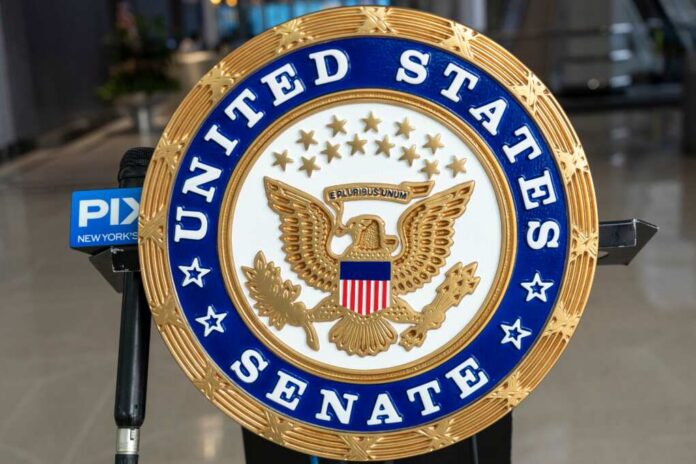
- Hochstein pointed to a Senate vote where 40 Democrats moved to block a U.S. weapons sale to Israel, signaling a widening partisan split over Netanyahu.
Hochstein’s Warning: Tactical Gains Can Create Strategic Losses
Amos Hochstein, a former Biden administration senior energy adviser and Middle East negotiator, used his April 19 appearance on CBS’ “Face the Nation” to argue that Israel’s military posture in Lebanon risks producing the opposite of its intended outcome. He described the moment as potentially beneficial if it leads to negotiations, but he cautioned that any perceived overreach can help Hezbollah recruit, regain legitimacy, and frame itself as resisting occupation rather than provoking war.
Hochstein’s central claim was practical, not ideological: lasting security requires terms that reduce Hezbollah’s ability to operate and reduce incentives for future conflict. He argued for a pathway that includes Israeli withdrawal from areas in Lebanon and a serious effort to disarm or constrain Hezbollah. The critique matters because it suggests the U.S. should measure success by what prevents the next war, not only by what wins the current phase.
The 10-Day Truce Is a Diplomatic “Bridge,” Not a Settlement
The interview’s immediate news hook was the 10-day pause in fighting between Israel and Hezbollah that the president announced on April 17. Hochstein treated the pause as a narrow window to convert battlefield leverage into negotiation leverage. The research indicates the pause is connected to broader diplomatic efforts that touch Iran, meaning the truce is less a humanitarian timeout and more a timed opportunity to test whether political deals can restrain armed actors.
Hochstein also described the U.S.-Iran channel as fragile and somewhat improvised, with talks reportedly happening by phone and without formal papers in circulation. That kind of process can move quickly, but it can also collapse quickly because misunderstandings become policy. He referenced disagreements about whether Lebanon should be included in the negotiations, underscoring that the U.S. and Iran may not even share the same definition of what is being negotiated.
Hormuz Pressure and Energy Security Raise the Stakes for Americans
Hochstein linked regional conflict to energy insecurity, emphasizing that threats around the Strait of Hormuz can translate into price spikes and supply fears. The research notes a key uncertainty: Iran’s side has claimed the strait is open, while the U.S. side has described the situation as a blockade or closure threat. That dispute is not a semantic detail—shipping risk and insurance costs can jump on perception alone, hitting consumers long before any formal interruption is confirmed.
For Americans already angry about high costs and years of policy whiplash, the takeaway is straightforward: foreign policy instability and domestic affordability are connected. Conservative voters tend to focus on energy realism—secure supply, predictable prices, and reduced vulnerability to hostile actors. Hochstein’s comments reinforce how quickly overseas flashpoints can punish U.S. households, and how negotiators can be forced to bargain under economic pressure rather than from strength.
The Senate Vote Signals a Partisan Fight Over Israel—Not Just Strategy
Hochstein also highlighted the U.S. political dimension after 40 Senate Democrats voted to block a U.S. weapons sale to Israel. He framed the vote as a “wake-up call” about the durability of bipartisan support, while arguing Democrats should align with Israel as a country rather than with Prime Minister Benjamin Netanyahu personally. He further suggested Netanyahu’s perceived alignment with Republicans and President Trump has contributed to the deterioration of cross-party backing.
From a governance standpoint, this is where many Americans—right and left—see the same problem: Washington’s incentives often reward posturing over results. If arms sales and alliance management become tools in domestic political combat, long-term strategy gets harder to sustain. The research does not prove who is “right” on the underlying policy choices, but it clearly shows that elite-level polarization is now shaping decisions that affect war risks, diplomacy, and energy prices.
Sources:
Face the Nation full transcript (04/19/2026)
Amos Hochstein on “Face the Nation” transcript (04/19/2026)
“Face the Nation” full episode video (04/19/2026)
Face the Nation: Hochstein / Adams / Holder (video)