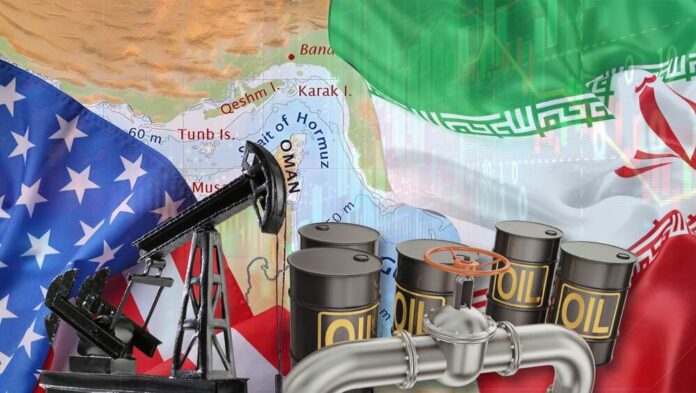
Iran’s IRGC hardliners slammed shut the Strait of Hormuz again, choking 20% of global oil and exposing America’s dangerous reliance on fragile foreign chokepoints that could devastate our economy overnight.
Story Snapshot
- Iran re-closed the Strait of Hormuz on April 18, 2026, halting traffic after a brief April 17 reopening, due to U.S. naval blockade persistence.
- President Trump’s blockade targets Iranian ports only, pressuring Tehran amid failed nuclear talks and ongoing war since February 28.
- IRGC enforces restrictions with mines and threats, dropping traffic to near zero and spiking global oil prices.
- Hormuz crisis warns of Taiwan’s semiconductor vulnerability: a Chinese blockade could collapse global tech supply, far worse than energy shocks.
Timeline of Strait of Hormuz Crisis
U.S. and Israel launched Operation Epic Fury on February 28, 2026, striking Iran during stalled nuclear talks and assassinating Supreme Leader Ali Khamenei. Iran retaliated with missiles, drones, and Strait restrictions, causing a 70% traffic drop. By March 2, IRGC closed the waterway to U.S., Israeli, and allied vessels. Mines and attacks on ships like the Stena Imperative left over 150 vessels anchored. Ceasefire efforts faltered over tolls and blockades.
Recent Reversal and Standoff
Iran announced full reopening on April 17 amid a Lebanon truce, allowing a tanker convoy to exit for the first time in seven weeks. Hours later on April 18, IRGC re-closed the Strait, blaming Trump’s ongoing blockade of Iranian ports. President Trump affirmed the U.S. measure remains in force until a nuclear deal. Mohammad Qalibaf called negotiation gaps wide and the blockade naive. Traffic stands at near zero with unaccounted mines complicating transit.
Key Stakeholders and Power Dynamics
IRGC hardliners dominate post-Khamenei, overriding moderates to wield the Strait as their most powerful weapon for regime protection and retaliation. Trump and CENTCOM enforce a targeted blockade on Iranian ports, preserving non-Iranian passage per international law. Israel seeks to neutralize Iran’s nuclear threat and proxies like Hezbollah. Gulf allies avoid risks while Europe and Asia face energy shortages. Failed Islamabad Talks underscore deep distrust between U.S. and Iranian negotiators.
Economic Impacts and Taiwan Warning
Short-term, oil prices spike as daily trade risks exceed $100 billion, fueling inflation and recessions for energy importers. Iran loses critical cash flow with 3,500 military dead. Long-term, the crisis breaches UNCLOS and highlights chokepoint fragility. Analogous to Hormuz’s 20% global oil share, Taiwan produces over 90% of advanced semiconductors via TSMC. A Chinese invasion or blockade would halt autos, phones, and AI production, triggering economic collapse worse than COVID disruptions and undermining American independence.
This mutual standoff erodes faith in global systems, reminding Americans on both sides of the aisle how elite mismanagement and foreign entanglements threaten hard-won prosperity and self-reliance.
Sources:
Iran doubles down on closing Strait of Hormuz as ceasefire nears expiration
Iran war Israel US Strait Hormuz April 19