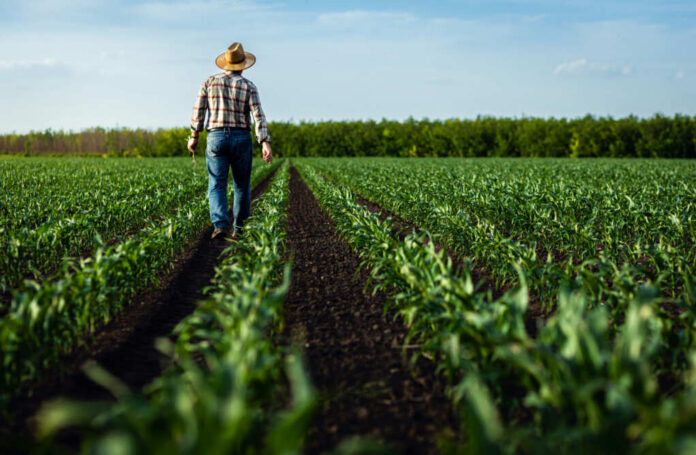
Oregon’s Initiative Petition 28 would not just punish animal abusers—it would effectively criminalize hunting, fishing, farming, and even many forms of food production in a state that still prides itself on living off the land.
Story Snapshot
- Oregon’s Initiative Petition 28 (the PEACE Act) has gathered enough signatures to move one step closer to the November 2026 ballot, pending state verification.
- The measure removes long‑standing animal-cruelty exemptions for lawful hunting, fishing, trapping, farming, and research, effectively treating these activities as criminal animal abuse.
- Supporters frame IP28 as a humane “anti‑cruelty” reform that simply extends existing protections for pets to farm and wild animals.
- Opponents warn it would ban most traditional food production, wildlife management, and rural livelihoods, reinforcing fears that elites are reshaping basic ways of life by ballot initiative.
What Initiative Petition 28 Would Actually Do
Initiative Petition 28, formally titled the People for the Elimination of Animal Cruelty Exemptions (PEACE) Act, is drafted to change Oregon’s existing animal-cruelty statutes by removing exemptions that currently protect lawful hunting, fishing, trapping, farming, and many uses of animals in research and education.[4][5] Supporters emphasize that the legal definition of animal abuse would not change; instead, many animals currently outside those protections would suddenly be covered, including livestock and wild animals.[4] In plain terms, activities now legal would be reclassified as criminal conduct.
Backers of IP28 argue that this is a logical extension of existing anti-cruelty law, claiming that animals on farms, in labs, and in nature deserve the same protection from intentional injury that companion animals already have.[4] Their campaign site states that the measure would “extend the legal protections that keep our companion animals safe” to those animals and thereby protect them from slaughter, hunting, fishing, and experimentation.[4] They also highlight provisions targeting animal sexual assault, including agricultural practices such as artificial insemination.[4]
Why Hunters, Farmers, and Rural Communities Are Alarmed
Opponents, including hunting and conservation groups, say the legal mechanism of IP28 would effectively ban core rural activities by stripping away their exemptions and labeling them as animal abuse.[1][2][5] The Oregon Hunters Association warns that all licensed hunting, sport and commercial fishing, trapping for pest or wildlife control, and raising animals for meat, dairy, eggs, or fiber would become criminal under the statute if the measure passes.[1] The National Wild Turkey Federation echoes this, saying hunting seasons would end, fishing would be criminalized statewide, and many farming and ranching practices would be illegal.[2]
Critics also stress the economic fallout if hunting and fishing are treated as criminal acts. The National Wild Turkey Federation estimates the loss of hunting and fishing could wipe out about 1.9 billion dollars in economic activity and roughly 180 million dollars in annual funding for the Oregon Department of Fish and Wildlife, which relies heavily on license and tag revenue.[2] That would directly hit small-town businesses, guides, outfitters, and gear shops that depend on outdoor recreation.[1][2] For many rural families already squeezed by inflation, rising fuel costs, and regulatory pressures, this looks less like a moral tweak and more like an existential threat.
Ballot Status: One Step Closer, Not Yet Final
The campaign behind IP28 has been working for years—through earlier versions like IP13 and IP3—to put this concept before voters.[1][2][4] To qualify for the November 2026 ballot, organizers must secure 117,173 valid signatures from registered Oregon voters by early July 2026.[1][2][4][5] News outlets report that supporters recently crossed the raw signature threshold, meaning they have submitted at least that many signatures to the state for review.[3][4] The Secretary of State still has to verify them before the measure is officially placed on the ballot.[3]
Opponents note that this is the third attempt in the same policy family, with each effort carrying the same core objective of eliminating legal protections for hunting, fishing, trapping, and farming under Oregon law.[1][2] They also point out that many of the measure’s backers are professional animal-rights organizations, including out-of-state groups, which fuels a broader perception that outside activists are rewriting how Oregonians can use their own land and resources.[1][2] That narrative resonates with both conservative and liberal skeptics who are tired of interest groups using complex legal language to drive big social changes without clear, honest debate.
Why This Fight Taps Into Deeper National Frustrations
The clash over IP28 mirrors national battles where one side markets a proposal as a narrow “cruelty” or “welfare” reform while the other sees a sweeping change in how people are allowed to live and work.[1][4][5] In this case, the central legal move is not a new list of abusive acts but a redefinition of who is protected and which activities lose their special exemptions.[4][5] That is why supporters can claim they are just applying existing standards consistently, while opponents see a de facto ban on hunting, fishing, and conventional animal agriculture.[1][2][4]
For many Americans on both the right and the left, this fight reinforces a shared suspicion that policy is being made by distant elites, lawyers, and activists who will not bear the real-world costs. Rural Oregonians hear promises of compassion for animals, but they see jobs at risk, food prices likely to rise, and long-standing cultural traditions treated as crimes.[1][2][3] Urban voters concerned about corporate agriculture may welcome tougher standards, but they too worry when complex initiatives could upend basic food production. IP28 has become a test case for how far ballot-driven reforms can go before they start to feel less like protecting the vulnerable and more like dismantling everyday life.
Sources:
[1] Web – West Coast, Messed Coast™ — Oregon Is a Step Closer to Outlawing …
[2] Web – Oregon ballot measure could reshape fishing, farming
[3] Web – Extreme Oregon Initiative to Ban Hunting and Fishing Likely to Make …
[4] Web – Oregon petition to criminalize hunting, fishing reaches signature …
[5] Web – Initiative Petition 28 (IP28) – Oregon Secretary of State