

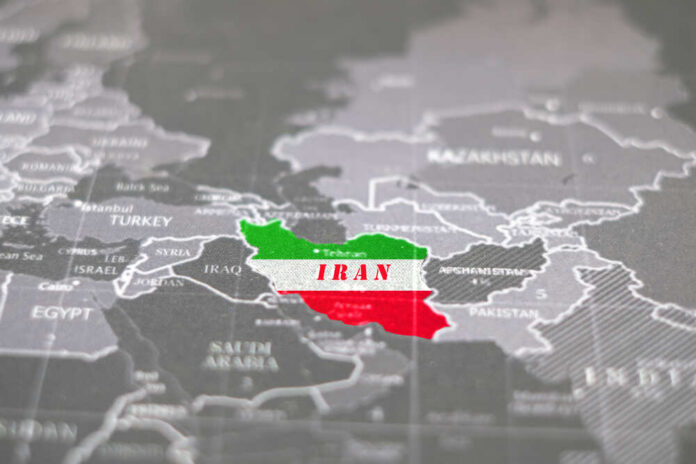
Kazakhstan has stepped forward as a potential custodian of Iran’s near-weapons-grade uranium stockpile — a development that could become either a genuine breakthrough or another diplomatic dead end in the high-stakes effort to prevent Tehran from crossing the nuclear threshold.
Story Snapshot
- The International Atomic Energy Agency (IAEA) chief confirmed Kazakhstan is willing to store Iran’s enriched uranium stockpile as part of a potential U.S.-Iran nuclear agreement.
- Iran holds approximately 440 kilograms of uranium enriched to 60% purity — dangerously close to weapons-grade — making the fate of that stockpile a central sticking point in negotiations.
- Kazakhstan already hosts the IAEA’s Low Enriched Uranium Bank, giving it legitimate credentials as a neutral, internationally supervised nuclear storage site.
- Iran has conditioned any reduction of its stockpile on full sanctions relief, meaning Kazakhstan’s offer alone does not guarantee a deal.
Kazakhstan Steps Into the Nuclear Spotlight
International Atomic Energy Agency (IAEA) Director General Rafael Grossi disclosed to the Financial Times that Kazakhstan has indicated a willingness to store Iran’s stockpile of near-weapons-grade enriched uranium if the United States and Iran reach a nuclear accord. The offer places Kazakhstan in a pivotal diplomatic role at a moment when the Trump administration has made dismantling Iran’s nuclear program a top foreign policy priority. The fate of Iran’s enriched material remains one of the thorniest obstacles to any final agreement.
Kazakhstan is not an arbitrary choice. The country already hosts the IAEA’s Low Enriched Uranium Bank, an internationally supervised facility established after the Kazakh government approved the arrangement in 2015, giving Kazakhstan formal experience in safeguarded nuclear-material storage. [3] Kazakhstan’s state uranium company, Kazatomprom, also sold Iran 60 tonnes of natural uranium in December 2015 under the original Joint Comprehensive Plan of Action framework, demonstrating a working nuclear relationship between the two countries. [3]
Iran’s Stockpile — The Core Danger
Iran currently holds roughly 440 kilograms of uranium enriched to 60% purity — a level that puts it within a short technical sprint of weapons-grade material. [10] The Trump administration has insisted that Iran’s enriched uranium must leave the country as a condition of any agreement, viewing domestic retention or dilution as insufficient guarantees against a rapid breakout to a nuclear weapon. [4] That demand reflects a hard lesson from past diplomatic failures: paper commitments without physical removal of material leave the threat intact.
Russia has also publicly offered to transport and store Iran’s enriched uranium stockpile, with a nuclear adviser to the Russian government confirming Moscow’s readiness to accept the material. [8] The competing offers from Kazakhstan and Russia illustrate how multiple parties are maneuvering for influence over the outcome of U.S.-Iran talks. From an American security standpoint, Kazakhstan — a neutral party with IAEA oversight infrastructure — presents a far more verifiable option than routing Iran’s uranium through Moscow.
Iran’s Conditions Complicate the Picture
Iran’s atomic chief Mohammad Eslami has stated publicly that any dilution or reduction of the 60% stockpile depends on whether “all sanctions” are lifted in return. [9] That condition transforms Kazakhstan’s offer from a straightforward logistical solution into a bargaining chip Tehran intends to trade at maximum value. Iran has a documented history of using its enrichment program as leverage, escalating enrichment levels to extract concessions rather than accepting restraints as a good-faith gesture.
#Kazakhstan has offered to take #Iran’s #uranium stockpile if the #UnitedStates and Iran reach an accord on Tehran’s contested nuclear program, says @UN nuclear watchdog chief @rafaelmgrossi https://t.co/pFtLAzyh47
— Arab News (@arabnews) May 29, 2026
The broader pattern in Iran nuclear diplomacy is familiar: third-party custody proposals surface whenever direct transfer to an adversary is politically unacceptable, but they routinely stall on questions of legal authority, chain of custody, and mutual trust. Kazakhstan’s credentials are real — the country eliminated 2,900 kilograms of uranium fuel enriched up to 26% from its Aktau site between 2001 and completion of that removal project, demonstrating a track record of responsible nuclear material handling. [7] Whether that credibility is enough to bridge the gap between American demands for full removal and Iran’s insistence on sanctions relief remains the defining question of the current negotiations. The Trump administration has leverage it did not have during the Obama-era deal — and using it decisively may be the only path to an agreement Iran cannot later unravel.
Sources:
[3] Web – Iran Plans To Buy Tons Of Kazakh Uranium Over 3 Years
[4] Web – Kazakhstan’s Contribution to Settlement of Iranian Nuclear …
[7] Web – Uranium and Nuclear Power in Kazakhstan
[8] Web – Eliminating Highly Enriched Uranium in Kazakhstan
[9] Web – Russia Says It Can Take Iran’s Enriched Uranium. Will That Happen?
[10] Web – Iran offers to dilute enriched uranium in exchange for full sanctions …