Hours before President Trump’s campus rally, three South Alabama students were arrested on federal charges over alleged social media threats, spotlighting how online rage can trigger real-world consequences.
Story Snapshot
- Officials arrested three University of South Alabama students for alleged threats posted before Trump’s Mobile rally.
- Media cite federal affidavits describing specific violent language and imagery in the posts.
- A federal magistrate ordered the students held for a detention hearing after the arrests.
- The university condemned threats and warned that intimidation is not protected speech.
What Investigators Say Happened
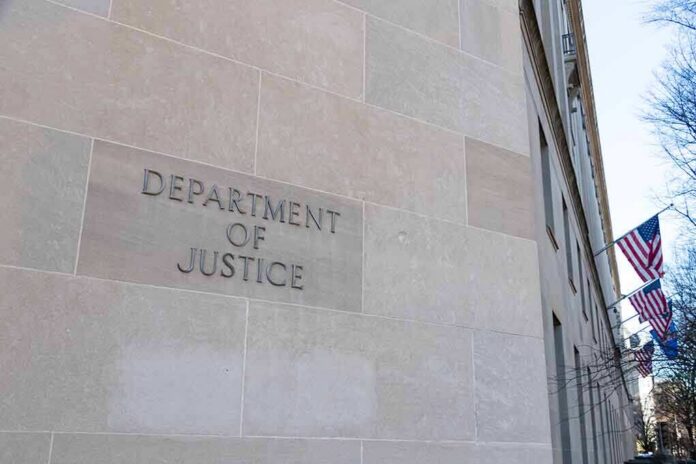
Local outlets reported that federal agents arrested three University of South Alabama students on the day of President Trump’s rally at the Mobile campus. Reports said each student faced a federal charge for threatening the president after posts appeared on social media in the days before the event. Journalists cited affidavits by federal officers that described the posts, including a direct threat and a call to act on the rally date. A federal magistrate judge ordered the students detained pending a hearing.
FOX10 News reported that one post said “he gotta die bro,” while another said “We only got one chance let’s take it,” paired with an image of someone mimicking a gun gesture. Coverage also said a student referenced a recent political assassination, which investigators treated as context for intent. Fox News said investigators used social media searches, emergency data requests, and help from university police to identify the accounts tied to the students. These are allegations, and the cases will move through court.
How Authorities Built the Case
Media summaries said investigators first flagged the posts through social media intelligence tools, then sent emergency disclosure requests to platforms to get account data. Reports said the University of South Alabama police shared information that helped match accounts to the named students. This multi-step process is common in threat cases, which often pull platform records, subscriber details, and internet addresses. The current public record does not include the full affidavits or case numbers, which limits outside review of all details.
Courts weigh online threats using the “true threat” standard. Under federal law, prosecutors must show the speaker meant to issue a threat or knew others would take it as a threat. The United States Supreme Court raised this bar in recent rulings, which stress intent and context for messages posted online. Scholars note that short posts can mix jokes, anger, and real menace, which makes these cases hard and fact-heavy. Judges often look at timing, specific words, images, and any signals of planning.
Defense Pushback and Free Speech Concerns
A defense lawyer for one student said he does not believe the students are real threats. He said the First Amendment protection for speech may apply and plans to argue his client poses no danger. He also said many people type reckless words online without intent to harm. That claim will be tested against the quotes and images the government says it collected. An arrest is not a conviction, and the defendants remain presumed innocent while the case proceeds.
The University of South Alabama condemned threats but drew a bright line between free expression and unlawful intimidation. The school said it supports free speech yet rejects threats against elected officials or anyone else. That message mirrors a national debate. People on the right and left fear that the most powerful often skate by, while average citizens face swift force. Many also worry that the system swings between overreach and underreach, punishing some speech while missing real danger.
Why This Case Resonates Now
This case hits a nerve because it blends campus politics, an active presidential visit, and the blurred line between speech and threat. Communities want safety at rallies. Citizens also want clear rules that do not crush dissent. When the government moves fast but filings stay sealed or hard to find, trust suffers. People suspect the worst from “the system,” whether that means a cover-up or a crackdown. Transparent records can cool that tension and help people judge fairly.
𝐓𝐇𝐑𝐄𝐄 𝐒𝐎𝐔𝐓𝐇 𝐀𝐋𝐀𝐁𝐀𝐌𝐀 𝐒𝐓𝐔𝐃𝐄𝐍𝐓𝐒 𝐀𝐑𝐑𝐄𝐒𝐓𝐄𝐃 𝐇𝐎𝐔𝐑𝐒 𝐁𝐄𝐅𝐎𝐑𝐄 𝐓𝐑𝐔𝐌𝐏’𝐒 𝐑𝐀𝐋𝐋𝐘
Federal agents moved before the president ever reached Mobile. Three University of South Alabama students were arrested Friday over alleged threats against… pic.twitter.com/1vHeMvfXzm
— M.A. Rothman (@MichaelARothman) October 3, 2026
Key next steps include the detention hearing and any release of full complaints and affidavits. Those documents could show timestamps, thread context, platform records, and how agents linked posts to each student. That evidence will matter for whether a judge sees the words as true threats or reckless talk. Until then, the basic facts stand: arrests were made, specific quotes were reported, and a court will decide what the law allows when speech turns sharp near a president’s visit.
Sources:
thegatewaypundit.com, foxnews.com, fox10tv.com, crbcnews.com, weartv.com, foxcarolina.com, wctv.tv, wkrg.com