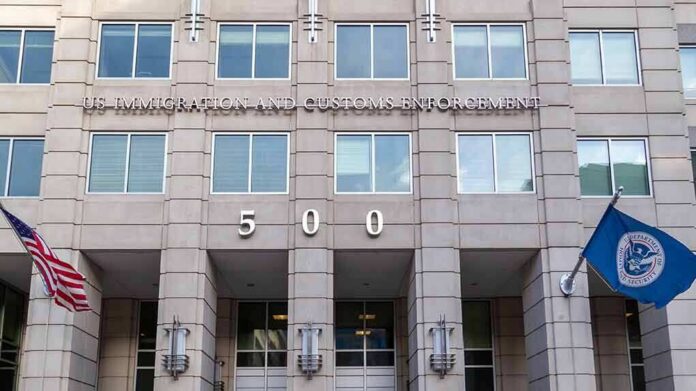
Federal immigration officers deported an Army sergeant’s wife to Honduras, turning a policy shift into a real strain on a military family and their child.
Story Snapshot
- Homeland Security said Cristy Maryori Villafranca-Trejo entered illegally in 2016 and was removed under U.S. law.
- The Army sergeant says his wife has no criminal record, highlighting family hardship over criminal risk.
- Associated Press found more than 50 spouses and parents of troops detained since early 2025, with several deported.
- Officials say military service does not create an immigration exemption, reflecting a clear policy change.
What Homeland Security Says Happened
The Department of Homeland Security said Cristy Maryori Villafranca-Trejo, a Honduran national, entered the United States illegally in 2016 and “was removed” on Monday in accordance with the law. The agency also told reporters that immigration cases receive due process before the Department of Justice. Earlier, officials said a planned deportation flight paused due to a legal issue, but they maintained her claims would be heard through normal channels. These statements frame the case as routine enforcement.
Reuters reported the removal and cited Homeland Security’s position directly, giving an on-the-record confirmation of the outcome. Military.com described how Immigration and Customs Enforcement prepared her for a flight before a legal impediment delayed the process, a pause that suggests last-minute filings or court actions, though details were not public. These accounts rely on agency statements. They do not include the immigration judge’s order or full court docket, so the exact legal steps remain out of public view.
How the Family Describes the Impact
Army Sgt. Hedar Leonel Turcios Juarez said his wife has no criminal record and had never been in legal trouble, which he argues makes her deportation unfair to their family. He and advocates say the case forces a soldier to serve while also handling a sudden family crisis. That stress includes caring for their child without a parent at home. Their account underscores a gap between strict immigration rules and the reality of military life during deployments and frequent moves.
Advocates and broadcast coverage point to the scene of an arrest outside a store, with the couple’s young daughter nearby, as proof that enforcement can feel harsh even when the case is civil, not criminal. This claim does not dispute the removal law itself. It spotlights how policy lands on families who serve the country. The lack of a criminal record removes a common public reason for deportation and leaves the status issue as the sole driver of the outcome.
The Policy Shift Behind This Case
Associated Press reporting says that since early 2025, the government rolled back prior leniency for military families. Officials now state that military service by itself does not grant lawful status or shield family members from removal. The same reporting documented more than 50 spouses and parents of active-duty troops detained during President Trump’s second term, with at least several deported. That pattern shows this case is part of a broader enforcement push, not a one-off exception.
Active-duty soldier's wife deported amid Trump immigration crackdown
The wife of an active-duty Army sergeant was deported to Honduras on Monday. Cristy Maryori Villafranca Trejo, married to Sgt. Hedar Leonel Turcios Juarez, was detained by ICE outside a Walmart in July as… pic.twitter.com/nVAKdgu2vD
— Rifnote (@viarifnote) August 25, 2026
United States Citizenship and Immigration Services still lists tools like parole in place and deferred action for military families, but those options are discretionary and case by case. The current posture appears to use them less often, moving more cases into standard enforcement lanes. For families, that means long-used safety valves are tighter. For critics on the right and left, it feeds a shared concern: rules change without clear notice, and ordinary people pay the price while officials trade talking points.
Why This Matters for Trust and Readiness
Military communities depend on stable homes so service members can focus on the mission. When a spouse is deported, the soldier faces child care, bills, and legal tasks alone. Commanders must scramble to cover schedules. Supporters of tougher enforcement argue that laws must be applied equally, even in hard cases. But both sides can agree on this: a foggy process erodes trust. Key records, like court orders or timelines, are not public here, which keeps doubts alive about fairness and consistency.
What to Watch Next
Watch for any release of immigration court documents that confirm the legal basis and steps taken. Look for guidance from the Department of Homeland Security and the Department of Defense on how cases like this will be handled going forward. Track congressional oversight, which has already begun after the Associated Press findings, to see whether lawmakers push for clearer rules or targeted relief for military families. The core test is simple: can the country enforce its laws and still keep faith with those who serve?
Sources:
military.com, yahoo.com, apnews.com, ap.org