Trump’s proposal to reclaim Bagram Airfield from the Taliban has sparked a political firestorm, raising constitutional concerns and fears of further destabilization in Afghanistan.
Story Highlights
- Trump criticizes Biden’s Afghanistan withdrawal, citing strategic failures.
- The president proposes reclaiming Bagram Airfield.
- Concerns over Chinese influence and Taliban’s dependency on the U.S. persist.
- Debate continues over the withdrawal’s geopolitical consequences.
Trump’s Criticism of Biden’s Withdrawal
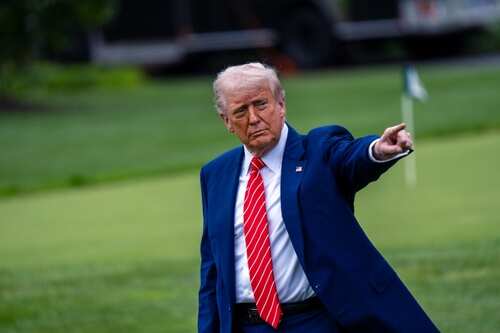
President Donald Trump has strongly criticized President Joe Biden’s handling of the U.S. withdrawal from Afghanistan, particularly targeting the abandonment of Bagram Airfield. Trump argues that the withdrawal was poorly executed, leaving strategic assets vulnerable and emboldening adversaries like China. He asserts that the U.S. should consider reclaiming Bagram to counterbalance growing Chinese influence in the region and asserts that the Taliban still needs U.S. engagement.
Though Trump’s remarks have reignited a debate over the withdrawal’s execution and long-term implications, there is no official evidence of current U.S. efforts to reclaim the airfield. The Biden administration defends its decision as the best course of action, given the constraints inherited from the Trump administration’s Doha Agreement with the Taliban.
Geopolitical Consequences and Chinese Influence
The focus on Bagram Airfield highlights broader geopolitical concerns. Trump’s proposal to retake the airfield aims to thwart Chinese and Russian attempts to fill the power vacuum left by the U.S. withdrawal. By abandoning Bagram, critics argue, the U.S. has lost a critical strategic foothold in a region that influences global security dynamics. Trump’s suggestion underscores fears about China’s expanding influence and the potential for Bagram to become a strategic asset for adversaries.
The ongoing debate reflects deeper tensions over U.S. foreign policy and strategic interests. With Trump positioning the withdrawal as a pivotal foreign policy failure, the discourse centers on whether U.S. withdrawal has emboldened adversaries and destabilized the region further.
PRESIDENT TRUMP: The Harris-Biden botched Afghanistan withdrawal was the single most embarrassing day in the history of our country.
Now, the Taliban is parading around with the billions of dollars of equipment we left behind.
It's a disgrace. pic.twitter.com/iCf3xbwgqW
— Trump War Room (@TrumpWarRoom) August 15, 2024
Taliban’s Control and Humanitarian Crisis
Since the withdrawal, the Taliban has consolidated power, leading to a severe humanitarian crisis in Afghanistan. Afghan civilians, particularly women and minorities, face increased oppression and economic hardship under Taliban rule. The abrupt U.S. exit has created a refugee crisis and strained international humanitarian efforts. Critics argue that the withdrawal has severely damaged U.S. credibility and exposed vulnerabilities in American foreign policy.
While Trump continues to call for actions such as reclaiming Bagram, the realities on the ground in Afghanistan remain grim. The humanitarian crisis demands urgent global attention, overshadowing the political rhetoric that accompanies discussions about military strategy and geopolitical positioning.
Sources:
Brookings Institution analysis of Biden’s Afghanistan withdrawal report
NPR/WUFT reporting on Trump’s recent statements and context
Congressional testimony and records on the withdrawal process
Wikipedia and major media analysis of the withdrawal’s execution and aftermath