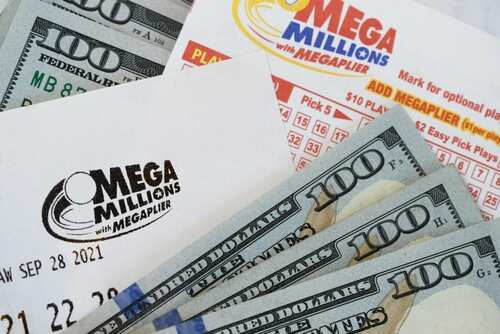
The Mega Millions jackpot has surged to an astonishing $900 million, a stark reminder of the economic challenges many face under policies that seem to favor chance over solid fiscal management.
Story Overview
- The Mega Millions jackpot reaches $900 million, one of the largest in history.
- No jackpot winner since June 2025, creating the longest streak without a win.
- The high jackpot raises questions about the economic impact and social consequences of gambling.
- Lotteries like Mega Millions are viewed as regressive tax forms affecting lower-income players.
Mega Millions Jackpot Soars to $900 Million
The Mega Millions jackpot has climbed to an estimated $900 million for the upcoming drawing on November 11, 2025. This marks the eighth-largest jackpot in the history of the game. The jackpot has been increasing since June 27, 2025, when the last winning ticket was sold in Virginia. Despite the excitement, this phenomenon underscores the ongoing fiscal challenges and the allure of quick wealth in today’s economic climate.
The odds of winning this life-changing sum stand at a staggering 1 in 290,472,336. This figure highlights the rarity of such wins and the massive public interest in the potential payout. As anticipation builds, it’s crucial to consider the broader implications of such lotteries on the economy and society.
The estimated $900 million Mega Millions jackpot is up for grabs in Tuesday night’s drawing after no winners were selected on Friday.
Read more: https://t.co/UW3T9VOoci pic.twitter.com/lssZtxIVP0
— ABC News (@ABC) November 11, 2025
Economic and Social Implications
As the jackpot grows, so does public interest and ticket sales. With each ticket costing $5, the economic impact is significant, especially in states where lottery proceeds support local causes. However, the regressive nature of lotteries means that lower-income individuals often spend a larger portion of their income on tickets, exacerbating financial inequalities.
While states and retailers benefit from increased sales and commissions, the social implications are complex. Concerns about gambling addiction and the financial risk to vulnerable populations are valid. Critics argue that lotteries act as a form of regressive taxation, disproportionately impacting those least able to afford it.
Long-term Effects and Industry Impact
This unprecedented jackpot streak highlights the need for a closer examination of lottery practices and their societal implications. As jackpots continue to grow, so does the debate around gambling regulations and public policy. The potential for record-breaking payouts may influence future lottery regulations and the broader gaming industry.
Increased competition from other lottery games, like Powerball, which is nearing $500 million, adds another layer of complexity to the industry. The surge in jackpots may drive policy changes aimed at better protecting consumers while ensuring fair revenue distribution.
Sources:
Mega Millions jackpot climbs to $900 million
Mega Millions jackpot climbs to $900 million
Mega Millions jackpot soars to $900 million
Mega Millions in longest-ever stretch without winner