Hamas’s calculated psychological warfare through hostage exchanges has created a dangerous precedent that incentivizes future terrorist attacks while inflicting lasting trauma on innocent victims and entire communities.
Story Overview
- Hamas uses hostage exchanges as strategic psychological warfare, not just prisoner swaps
- Released hostages suffer severe PTSD, depression, and survivor’s guilt requiring years of recovery
- Terrorist prisoner exchanges create dangerous precedents that encourage future mass abductions
- Israeli society experiences collective trauma and polarization over government negotiation policies
Hamas Exploits Hostage Exchanges as Psychological Weapons
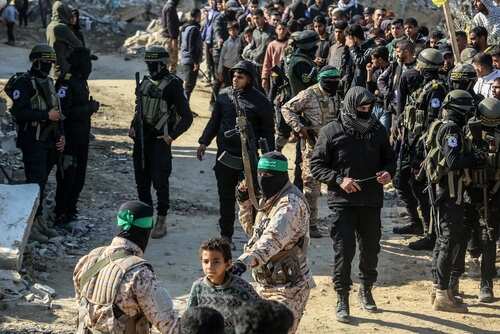
Hamas has transformed hostage negotiations into sophisticated psychological warfare operations designed to maximize leverage and inflict collective trauma. The terrorist organization employs calculated tactics including staged releases where hostages are brought to transfer points only to be returned to captivity, creating false hope and additional anguish for families. These manipulative strategies extend beyond traditional prisoner swaps, serving as cognitive warfare tools that destabilize entire societies while maintaining international attention on Hamas’s political demands.
This Is How Hamas Defeats Israel in the Psychological Arena
Dr. Yitzhak Mansdorf, an expert in behavioral psychology and psychological warfare at the Jerusalem Center for Foreign and Security Affairs, warns that Hamas is waging a sophisticated conflict against Israel that is not… pic.twitter.com/Klp0JoBpMc
— Cheryl E 🇮🇱🎗️ (@CherylWroteIt) May 12, 2025
Severe Psychological Consequences Plague Released Hostages
Released hostages face profound psychological challenges that extend far beyond their captivity period. Mental health experts document severe cases of post-traumatic stress disorder, clinical depression, and debilitating survivor’s guilt among former captives. The trauma manifests in difficulty regaining control over everyday activities, persistent anxiety, and struggles with reintegration into normal life. Psychological recovery requires intensive therapeutic intervention, often spanning years, as victims work to rebuild their sense of safety and autonomy after experiencing complete powerlessness under terrorist control.
Dangerous Precedents Encourage Future Terrorist Attacks
Security analysts warn that prisoner exchanges create dangerous incentive structures for terrorist organizations worldwide. The 2011 Gilad Shalit exchange, where Israel released over 1,000 prisoners for one soldier, demonstrated the disproportionate value terrorists place on hostage-taking operations. Current exchanges following the October 7, 2023 Hamas attack continue this pattern, potentially encouraging copycat attacks by other terrorist groups who observe the substantial concessions obtainable through mass abductions. This erosion of deterrence undermines long-term security and normalizes terrorist leverage tactics.
Collective Trauma Divides Israeli Society
The hostage crisis has created widespread collective trauma characterized by ambiguous loss affecting entire communities beyond direct victims. Israeli society experiences heightened anxiety, social fragmentation, and intense political polarization over government handling of negotiations. Families advocate for immediate hostage release at any cost while security officials emphasize the strategic dangers of capitulating to terrorist demands. This division reflects deeper tensions between emotional humanitarian impulses and rational security considerations, creating lasting social and political ramifications that extend well beyond the immediate crisis resolution.
Sources:
Collective ambiguous loss study
Hostages in Mind: Hamas’s Strategic Use of Captivity as Cognitive Warfare
Jerusalem Post explainer on post-captivity effects
Israeli hostages’ psychological recovery