
A single lightning bolt turning the Burj Khalifa into a glowing tower shows how fast a “viral moment” can outpace the facts—and why Americans should stay skeptical when spectacle drives the narrative.
Quick Take
- Dubai’s Crown Prince posted video of lightning striking the 828-meter Burj Khalifa during a severe storm, and the clip went viral almost immediately.
- The strike occurred during the Al Bashayer low-pressure system as UAE forecasters warned of heavy rain, thunder, lightning, and possible hail.
- Reports indicated no injuries and no confirmed damage, consistent with how supertall buildings are engineered to handle lightning strikes.
- The moment doubled as high-impact branding for Dubai—highlighting resilience and modern infrastructure—while official inspection details remained limited.
Viral video captures a rare-looking moment that engineers plan for
Sheikh Hamdan bin Mohammed bin Rashid Al Maktoum—Dubai’s Crown Prince and a major social media figure—shared dramatic footage appearing to show lightning striking the Burj Khalifa during a heavy storm. The video lit up the world’s tallest building against sheets of rain and rolling thunder, and online reactions quickly framed it as “apocalyptic.” Public reporting described the post as simple and immediate, with the clip spreading within minutes.
News coverage emphasized that the visual shock did not translate into confirmed harm. Early reports said no damage was announced and no injuries were reported. That outcome aligns with basic physics and modern design: the taller the structure, the more likely it is to take a strike, and the more critical it is to be built with lightning protection in mind. Still, no detailed public readout from building management was cited in the available reporting.
The storm system behind the strike came with official warnings
The lightning incident occurred around February 23, 2026, as the UAE dealt with the Al Bashayer low-pressure system. The National Centre of Meteorology warned residents across emirates about periods of intense weather, including heavy rain, thunderstorms, lightning, and the possibility of hail. Those warnings matter because they separate “random disaster content” from a documented weather event that officials tracked in advance, even if the exact second of the strike is hard to confirm from social media.
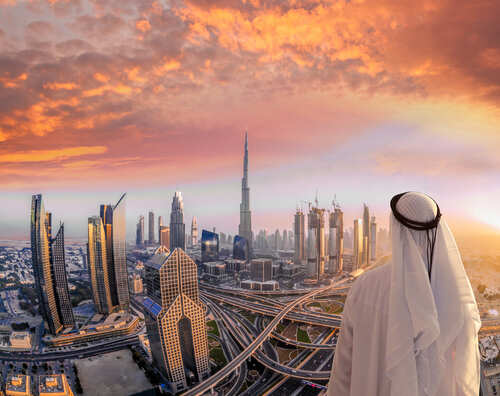
Dubai is built for heat and sun, but the city has also seen bouts of aggressive weather that can overwhelm roads and drainage. The Burj Khalifa itself is a feat of engineering: completed in 2010 after construction began in 2004, reportedly costing about $1.5 billion, rising 828 meters with 163 floors and more than 26,000 glass panels. A tower like that is effectively a lightning magnet, which is why protective systems are standard.
Why “no damage reported” is not the same as “nothing happened”
Public accounts described the strike as a spectacle with no reported damage, and prior storms have produced similar scenes without major consequences. That said, the absence of a widely circulated damage report is not identical to a completed, transparent inspection process. The available reporting did not include a formal statement from Emaar Properties or a detailed inspection summary from authorities, which leaves a small information gap about what checks were performed after the storm.
Dubai’s leadership benefits when resilience becomes the headline
Sheikh Hamdan’s post functioned as more than an eye-catching clip; it also reinforced Dubai’s brand as a futuristic city that can take a hit and keep moving. Coverage indicated the moment boosted attention and online engagement without triggering operational disruption, with reporting noting no closures and no interruption highlighted at major attractions. Politically and economically, that “nothing to see here” outcome supports the message that Dubai’s infrastructure is modern, prepared, and dependable.
What U.S. viewers should take from the clip amid a chaotic news cycle
American audiences—already exhausted by years of institutional spin, online propaganda, and narrative-first coverage—should treat viral catastrophe content with basic discipline: separate dramatic visuals from verified impacts. The reporting around this strike leaned heavily on what could be seen and shared, while the most important public-interest details remained narrow: official weather warnings existed, the building is engineered for strikes, and no harm was reported. Beyond that, hard documentation was limited.
That’s the practical lesson: a viral clip can be true and still incomplete. In an era when Americans are arguing over war, spending, and government trust, the safest habit is to demand specifics—who confirmed what, what inspections occurred, and what authorities actually said—before letting a dramatic moment harden into a broader conclusion. For this incident, the confirmed bottom line stayed modest: a spectacular strike, a forecast storm, and no reported damage.
Sources:
Lightning strike on Burj Khalifa? Dubai Crown Prince shares ‘thunderstruck’ moment.
ABC News video report (Burj Khalifa lightning strike)