As Venezuela buries its dead, an 18-day-old baby pulled from the rubble is quietly exposing how disaster, politics, and media all fail ordinary people even when hope breaks through.
Story Snapshot
- An 18-day-old baby named Jofram was rescued alive from an eight-story collapse in La Guaira.
- The rescue happened amid a disaster with hundreds dead, thousands hurt, and tens of thousands missing.[1]
- U.S. aid and “America First” politics collide with deep mistrust of elites and government on both sides.[9][10]
- Media push “miracle” headlines while larger failures in safety, corruption, and preparedness go mostly unanswered.[1][12]
Miracle Baby in the Rubble: What Really Happened
Rescue teams in La Guaira reached the Patiño family around 1 a.m. on Friday, after an eight-story apartment building crashed down during Venezuela’s recent earthquakes.[1] They found 18-day-old Jofram buried with his mother, Dayana Patiño, and pulled him out alive. The baby had no fractures, a detail an official named Quintero called “miraculous,” and he was quickly handed to his father, confirming the reunion seen in video clips shared around the world.[1][4]
A couple of hours after rescuers freed the baby, they were able to extract his mother, also alive.[2] International and local outlets, from NBC and ABC to social media posts, all carried versions of the same scene: a tiny newborn carried from the ruins, held up as proof that hope can survive even the worst collapse.[2][3][5] No serious counter-story has emerged to claim the rescue was staged or false, which gives this account more weight even without formal government paperwork.[3]
A Huge Disaster Wrapped Around One “Miracle” Story
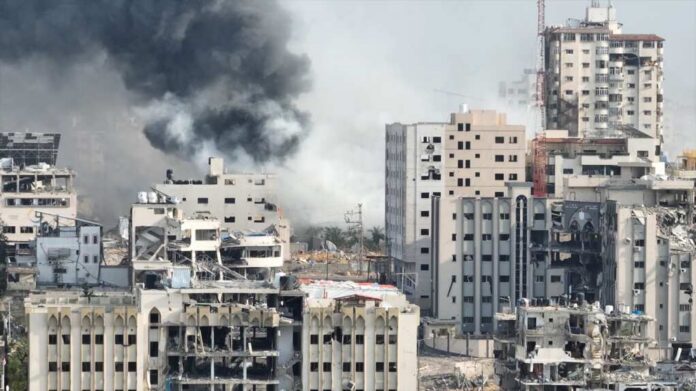
The wider picture in Venezuela is far from hopeful. By Friday afternoon, officials reported 920 dead and more than 3,000 injured, with over 70,000 people still missing according to one volunteer group.[1] Later reports from television networks warned the death toll could pass 10,000 as searches went on.[4] Neighbors in cities like Caracas and La Guaira have been digging through rubble themselves, often with little help, because police and military forces are stretched thin and communication broke down for days.[4]
Experts who study past disasters say most rescues happen within the first two days after a major quake, but there are rare cases of people lasting much longer trapped underground.[2] One medical review found a handful of survivors rescued at 13 to 14 days after impact, and many rescues at three, four, or more days.[2] That history makes Jofram’s survival at 18 days extremely rare but not impossible, especially for a small infant whose body needs fewer calories and who was protected by debris that left pockets of air and limited crushing.[1][2]
Children Pay the Highest Price When Systems Fail
Research after other disasters shows how babies and children are often hit hardest when governments and systems fail them.[13] After Hurricane Matthew in Haiti, about 3 percent of children in surveyed homes were separated from their main caregiver, and some ended up completely alone.[13] Studies from several events find that children trapped, hurt, or cut off from parents face lasting problems with mental health, learning, and physical growth if they do not receive strong support and quick reunification.[15][16][20]
Groups that focus on child health say babies recover best when adults around them are calm, steady, and able to give basic care like shelter, food, and comfort.[15][17] But families with low incomes, weak housing, and thin safety nets are at much higher risk even before an earthquake hits.[16][20] In other words, “miracle” survival stories usually grow out of a field of quiet, preventable suffering. That pattern fits Venezuela, where long-term economic collapse, corruption, and crumbling infrastructure made this disaster far worse for the poorest families.[1][12]
Politics, Aid, and Deep Distrust of Elites
The United States government, under President Trump, pledged $150 million in aid to help Venezuela’s response, even as relations between the two countries remain tense.[10] One Trump remark that “We took over Venezuela in less than one day” and reports of a past U.S. military attempt to seize President Maduro add a sharp political edge to every American rescue team on the ground.[9][10] Many Venezuelans and Americans on both the left and right see these moves less as pure charity and more as power plays by elites who use tragedy for gain.
Miracle in the Rubble: 18-Day-Old Baby Rescued Alive from Venezuela Earthquake Collapse
Local firefighters and American urban search-and-rescue teams pulled an 18-day-old infant from the wreckage of a collapsed building in La Guaira, Venezuela, after twin powerful earthquakes… pic.twitter.com/HwL7EzV1pm
— News Picks Daily (@NewsPicksDaily) June 27, 2026
Inside Venezuela, the acting president was jeered by crowds who accused her of turning the quake into a political stage.[4] Misinformation about tsunamis, looting, and chaos has spread online, further eroding trust in officials and big media, and making it hard for families to know what is true.[4] That anger will feel familiar to Americans who believe Washington, the “deep state,” and party leaders—whether liberal or conservative—care more about image and reelection than about basic safety, honest data, and real help when disaster strikes.
Media “Miracles” vs. Real Preparedness and Justice
Channel 4 News, ABC 7 Chicago, and NBC all highlight the baby’s rescue, but they also focus most of their airtime on rising death counts, collapsed buildings, and political fights.[1][3][4] Scholars who study disaster coverage say this is common: one or two dramatic survival stories are pushed as symbols of hope, while deeper questions about why buildings failed, why safety codes were ignored, or why poor neighborhoods suffer more remain buried.[1][12][14] That can make ordinary people feel inspired for a moment but still powerless the next day.
Studies of past storms, such as Hurricane Harvey in Texas, show rescue requests spike in areas with more young children and more people living in poverty.[14] Yet these same areas are often last in line for strong housing, strict building standards, and quick payouts from insurance once the cameras leave.[16][22] For both conservatives angry about globalist elites and liberals upset about growing inequality, the story of Jofram is moving—but it also raises a hard question: why do we wait for “miracles” instead of fixing the systems that keep failing families in the first place?
Sources:
[1] Web – Against impossible odds, hope endures.
[2] Web – Venezuelan families describe reuniting with rescued loved ones
[3] Web – NBC Chicago – Facebook
[4] X – An 18-day-old baby was rescued in La Guaira, Venezuela after she was …
[5] Web – An 18-day-old baby was rescued from the rubble of a building … – …
[9] Web – Miracle in the Rubble: 18-Day-Old Baby Safely Reunited With Father …
[10] Web – Up First briefing: Venezuela earthquakes; Asylum claims – NPR
[12] Web – How to help survivors of the earthquakes in Venezuela | The IRC
[13] Web – Neighbors dig through Venezuela rubble to search for loved ones as …
[14] YouTube – International rescue teams and aid arrive in Venezuela to …
[15] Web – Videos of ‘buildings collapsing in Venezuela’ are from Turkey – TikTok
[16] YouTube – Qatar sends search and rescue teams to support Venezuela …
[17] Web – How to help those impacted by Venezuela earthquakes – GoFundMe
[20] Web – Child Separation After a Natural Disaster: Findings from Post …
[22] Web – Understanding how disasters influence infants and children