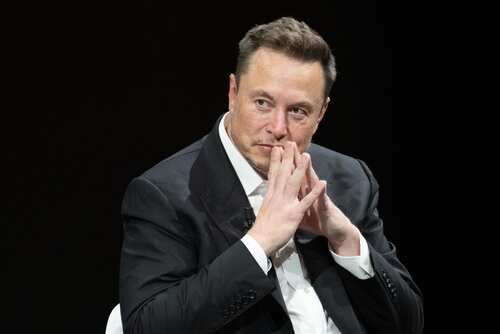
Elon Musk’s acquisition of Twitter, now rebranded as “X,” has sparked significant changes, raising questions about free speech and digital governance.
Story Highlights
- Musk completed a $44 billion acquisition of Twitter in 2022.
- The acquisition was characterized by legal challenges and leadership changes.
- Twitter rebranded as “X” with major policy and staff overhauls.
Musk’s Bold Move: Acquiring Twitter
In 2022, Elon Musk embarked on a journey to acquire Twitter for $44 billion, a move that captivated the tech world. Starting his investment in January 2022, Musk’s stake rapidly increased to 9.2% by March, eventually leading to a public disclosure. Despite initial resistance, including a “poison pill” defense by Twitter’s board, Musk’s persistence paid off, culminating in the acquisition’s completion by October. The process was fraught with public disputes and legal threats, marking it as one of the largest leveraged buyouts in tech history.
Musk’s acquisition angle focused heavily on transforming Twitter into a platform that championed free speech and algorithm transparency. By rebranding Twitter as “X,” Musk aimed to overhaul its business model and content moderation policies. These changes sparked debates about the future of digital public squares and the power dynamics within tech companies. Critics argued that Musk’s vision, while bold, could potentially destabilize the platform, affecting millions of users worldwide.
Major Policy Overhaul and Rebranding
Following the acquisition, Musk implemented sweeping changes that significantly impacted Twitter’s operations. The rebranding to “X” was accompanied by mass layoffs, reducing the workforce by more than 50%. The changes didn’t stop there; Musk reinstated banned accounts and altered subscription models, altering the landscape of digital communication. These actions raised concerns among advertisers, leading to uncertainties about revenue and platform stability. Despite these challenges, Musk’s vision of transforming “X” into an “everything app” continues to evolve, with plans to integrate payments and expanded services.
As the platform adapts, regulatory scrutiny, particularly from the EU, poses ongoing challenges. Compliance with the Digital Services Act remains a focal point as “X” navigates its new identity.
Impact and Future Prospects
The acquisition’s immediate aftermath saw significant workforce reductions and a leadership overhaul, creating volatility in platform policies and user experience. As Musk’s “X” attempts to redefine its business model, it faces both short-term and long-term implications. In the short term, advertiser uncertainty and revenue fluctuations are prominent concerns. In the long run, the potential transformation of “X” into a broader digital services platform remains uncertain, with regulatory and legal challenges likely to persist.
Twitter rebranded as X two years ago today pic.twitter.com/jx2GY5MhDU
— Dexerto (@Dexerto) July 23, 2025
As “X” continues to evolve, the global conversation about free speech, digital governance, and tech ownership intensifies. Musk’s acquisition has set a precedent for billionaire-led tech takeovers, prompting increased scrutiny of social media business models and governance.
Sources:
ABC News – Timeline of Elon Musk’s Twitter Acquisition
Statista – Timeline of Events: Elon Musk and X (formerly Twitter)
Venngage – Elon Musk and Twitter Acquisition Timeline