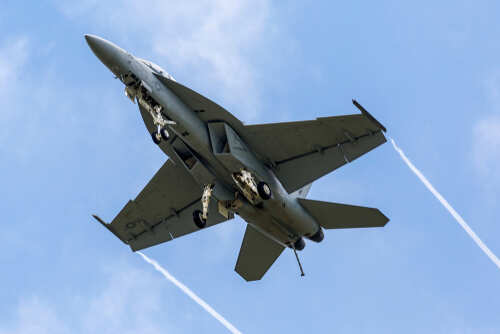
Six Navy F/A-18 fighter jets have crashed in just ten months, raising urgent questions about military readiness, spending, and the safety of America’s aging air fleet.
Story Snapshot
- Sixth Navy F/A-18 crash in ten months highlights a troubling pattern of costly mishaps
- Pilot survived after ejecting and spending 90 minutes in rough Atlantic waters before rescue
- Incident occurred during routine training, not combat, off Virginia’s coast near Naval Air Station Oceana
- Investigation underway as operational risks, maintenance, and training standards face scrutiny
- Congress may increase oversight if crash rates continue, impacting funding and military policy
Recent Navy F/A-18 Crash Underscores Fleet Safety Crisis
On August 20, 2025, a U.S. Navy F/A-18E Super Hornet crashed into the Atlantic Ocean off the Virginia coast during a routine training flight. The pilot, assigned to Strike Fighter Squadron 83, ejected and endured ninety minutes in turbulent seas before rescue crews located and transported him to safety. The Navy confirmed this is the sixth F-18 mishap in ten months. Todd Harrison, a defense budget expert at the American Enterprise Institute, estimates each aircraft costs about $67 million, underscoring the financial and readiness impact of these incidents. The frequency and cost of these incidents have sparked fresh debate over fleet reliability, oversight, and the urgent need for modernization.
The crash occurred near Naval Air Station Oceana, a key hub for Navy fighter operations, with the pilot’s squadron recently returning from a nine-month deployment aboard the USS Dwight D. Eisenhower. The squadron logged over a thousand combat flight hours in the Red Sea, facing both operational stress and aging airframes. According to incident summaries published by the Naval Safety Center, earlier accidents included a failed carrier landing in May 2025, a deck mishap in April, and a December 2024 training accident involving friendly fire. Over the last decade, there have been nearly four hundred mishaps involving F/A-18s, raising concerns about equipment reliability and maintenance standards.
Investigation and Stakeholder Response
Navy leadership launched a formal investigation immediately following the crash, with safety boards and senior officials now tasked to determine its cause. Weather conditions, complicated by Hurricane Aaron, may have played a role but the root issues remain under review. The U.S. Coast Guard led the rescue, while Naval Air Systems Command and Naval Air Force Atlantic oversee ongoing operations and safety procedures. Members of the House Armed Services Committee, including Rep. Rob Wittman (R-VA), have signaled that continued mishap rates could trigger oversight hearings and affect future funding and operational policy decisions.
Maintenance crews, pilots, and their families are directly impacted by these incidents. Military aviation experts such as retired Rear Adm. Mark Montgomery (Foundation for Defense of Democracies) has argued that escalating risks highlight the need for a stronger safety culture, updated training, and accelerated modernization of the fleet. Each crash intensifies anxiety among service members and places additional strain on those maintaining the aging fleet.
Financial, Political, and Operational Implications
Defense analysts, including Mackenzie Eaglen from American Enterprise Institute, note that each lost F/A-18 represents both a financial setback and a potential vulnerability in U.S. deterrence posture, particularly as older aircraft continue to fly extended missions. Defense contractors such as Boeing may face increased pressure to address reliability and support issues. Congressional and public scrutiny is intensifying, with possible calls for expanded fleet upgrades or replacements. These mishaps have broader implications for U.S. military aviation’s reputation and risk management strategies, potentially affecting deployment schedules and operational effectiveness nationwide.
Navy pilot rescued after $67M fighter jet crashes during routine training exercise — the sixth pricey military plane lost this year https://t.co/Do82QXchzX pic.twitter.com/tEFWtYDmLa
— New York Post (@nypost) August 21, 2025
Experts point to the high operational tempo and the advanced age of current airframes as chief contributors to the spike in accidents. Aviation analysts warn that balancing readiness with safety is an ongoing challenge, especially as aircraft operate beyond their intended design life. Military safety researchers continue to advocate for robust management systems and transparent reporting to address both technical and organizational shortcomings. If systemic issues are identified, senior Navy leadership and congressional committees will bear responsibility for enacting meaningful reforms to safeguard both personnel and national security.
Sources:
Navy pilot rescued from Virginia waters as F/A-18 fleet faces string of recent mishaps
Navy pilot rescue after Atlantic crash off Virginia
Sixth US Navy F-18 fighter jet crashes off Virginia coast in 10 months
Pilot ejects from F/A-18E off Virginia coast