President Trump’s recent refusal to rule out ground troops in Venezuela has reignited debates on U.S. interventionism and national security.
Story Highlights
- Trump refuses to rule out ground troops in Venezuela, raising intervention concerns.
- Operation Southern Spear announced by the Department of Defense to address regional threats.
- Potential U.S. military escalation could impact regional stability and international relations.
- The crisis is rooted in long-standing tensions and geopolitical interests.
Trump’s Stance on Venezuela
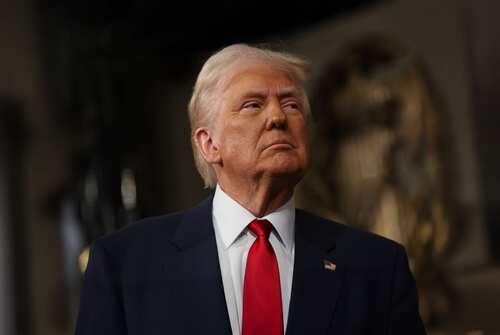
President Donald Trump has publicly stated he will not eliminate the option of deploying U.S. ground troops in Venezuela. This stance comes amid heightened tensions and the Department of Defense’s announcement of Operation Southern Spear, which aims to counter threats from Venezuela. Trump’s position is seen as a response to narco-terrorism and regional instability, reflecting a hardline approach to foreign policy.
The U.S. military has been increasing its presence in the Caribbean since September 2025. This includes a buildup of air and naval assets, highlighting the seriousness of this potential intervention. The announcement of Operation Southern Spear marks a new phase in the U.S.’s military posture, with the possibility of ground operations under consideration. This move has intensified speculation about the U.S.’s intentions in the region.
Historical Context and Current Developments
The strained U.S.-Venezuela relations date back to the rise of Hugo Chávez and the Bolivarian Revolution. The U.S. has consistently opposed the socialist government in Caracas, citing issues like human rights abuses and links to drug trafficking. The situation escalated in 2019 when Trump recognized opposition leader Juan Guaidó as Venezuela’s legitimate president, imposing sanctions on the Maduro regime. Recent military posturing indicates a significant shift in tactics.
The current crisis is set against a backdrop of regional instability, mass migration from Venezuela, and concerns over transnational crime. The U.S. aims to protect its national security and restore democracy in Venezuela, but the potential military escalation poses risks of regional backlash and international condemnation. The ongoing buildup and Trump’s statements suggest a readiness to take drastic measures if deemed necessary.
Implications and Expert Analysis
Experts warn that a ground invasion would require a significant deployment of troops, with estimates ranging from 50,000 to 150,000. Such an operation carries high risks, including the potential for a prolonged conflict and regional destabilization. The implications for U.S.-Latin America relations could be severe, with possible economic, social, and political impacts.
While the U.S. holds military superiority, the Maduro regime relies on internal security forces and support from allies like Russia and China. This dynamic complicates the situation, with potential consequences for global geopolitics. The broader international community remains divided on the legitimacy and potential outcomes of a U.S. intervention in Venezuela.