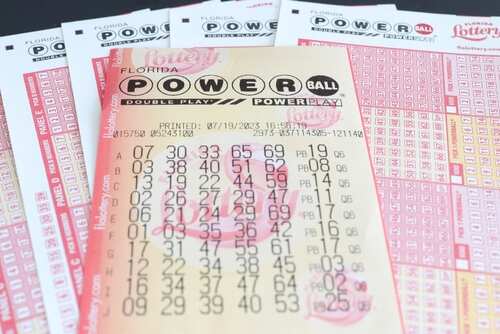
With the Powerball jackpot rocketing to an astonishing $950 million, Americans are gripped by “lottery fever”—a surge that’s fueling retail booms, digital gambling, and growing concerns about financial risk and inequality.
Story Snapshot
- Powerball jackpot climbs to $950 million, the sixth-largest in history, after nearly three months without a winner.
- Ticket sales soar 40% year-over-year, driving short-term retail and online spending spikes across the nation.
- Retailers, digital lottery platforms, and state budgets benefit, but lower-income Americans shoulder disproportionate risk.
- Experts warn of long-term economic volatility, rising inequality, and social costs tied to state-backed gambling.
Historic Powerball Surge Drives Nationwide Economic Ripple Effects
The summer of 2025 has seen the Powerball jackpot reach unprecedented heights, swelling from $643 million to $950 million in just over a week as no player has claimed the top prize since May 31. This relentless climb is now the second-largest in U.S. history and has ignited a massive 40% surge in ticket sales year-over-year. Retailers across the country, from convenience stores to major chains, are experiencing a sharp increase in foot traffic and sales, particularly in prepared foods and beverages. Meanwhile, digital lottery platforms such as Jackpocket and Lotto.com report that roughly half of players now prefer to purchase tickets online, amplifying both participation and revenue streams. This phenomenon is more than just a headline: it’s reshaping consumer behavior and sparking a nationwide conversation about the implications of state-sponsored gambling.
While the economic windfall from the Powerball surge is apparent, the jackpot’s relentless growth reflects deeper trends in American society. State lottery commissions and the Powerball Product Group are riding a wave of heightened consumer interest, which is driven as much by economic uncertainty as by dreams of instant riches. The lottery’s appeal has always been strongest in lower-income communities, where the hope of dramatic financial transformation is especially powerful. Yet, this same dynamic raises serious concerns about regressive spending and the widening gap between winners and the vast majority of ticket buyers. As more Americans chase the dream, the risk of financial strain grows, with experts noting that post-jackpot periods typically see a 15% drop in sales as the excitement fades.
Retailers, States, and Digital Platforms: Winners and Stakeholders in the Jackpot Economy
According to data shared by the National Association of Convenience Stores (NACS), some retailers near lottery outlets report ancillary sales jumps of 12–18% in food and beverage categories. Digital lottery platforms like Jackpocket are expanding rapidly, making it easier than ever for consumers to participate from home or on the go. State governments are reaping sizable tax windfalls from surging ticket sales and secondary purchases, redirecting some of these funds to public programs. However, the benefits are uneven: the lion’s share of revenue comes from lower-income groups, intensifying debates about the ethics of state-sponsored gambling. Lottery executives and regulators are tasked with maintaining public trust while maximizing participation, all while managing the volatile boom-and-bust cycles that define the “jackpot economy.”
At the heart of this whirlwind are millions of players, lured by the dream of a life-changing win amid economic instability. Their spending is shaped not just by hope, but by aggressive marketing, peer influence, and the ease of digital access. Retail analysts warn that such speculative spending mirrors broader trends in risk-taking, from stock market bets to cryptocurrency investments. Behavioral economists such as Dr. Victor Matheson from College of the Holy Cross caution that lotteries function as a form of ‘voluntary tax,’ disproportionately affecting lower-income households. The social costs—ranging from financial stress to exacerbated inequality—are prompting renewed scrutiny from policymakers and the public alike.
Expert Perspectives Highlight Short- and Long-Term Impacts
Industry experts agree that the “jackpot economy” provides a short-term stimulus for retailers and boosts state coffers, especially during headline-grabbing surges like summer 2025. Lottery officials emphasize the dual benefits of entertainment and public funding, touting the millions of dollars earmarked for education, infrastructure, and other programs. Yet the long-term outlook is more nuanced: after major jackpots, ticket sales typically plunge, leaving retailers and state budgets exposed to sudden drops in revenue. Scholars such as Dr. Jonathan Cohen, author of For a Dollar and a Dream: State Lotteries in Modern America, points to the regressive nature of lottery spending and the dangers of normalizing high-risk gambling as a routine part of American life. The current Powerball surge stands as a case study in the rewards and risks of state-backed “get-rich-quick” schemes—and a reminder of the broader debates over economic opportunity and social responsibility.
Powerball jackpot soars to $950M — 6th largest in game’s history — as drought nears 3 months https://t.co/X2qti8T8N8#jackpotalert #950m #largestgamehistory pic.twitter.com/e5YtNUsiOh
— Hannah zayn (@hannahzayn8) August 28, 2025
As the next Powerball drawing looms, Americans are left to weigh the allure of instant wealth against the sobering realities of chance, risk, and the social costs of lottery fever. While retailers and state budgets reap short-term rewards, the underlying patterns of inequality and speculative behavior remain, inviting a deeper conversation about the true price of this national obsession.
Sources:
Powerball Lottery Jackpot Soars to $700 Million Amid 40% Ticket Sales Surge
Rising Powerball Jackpot Unintended Economic Impact