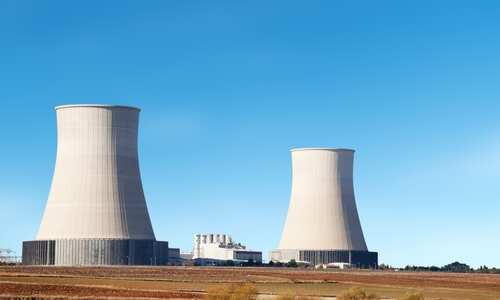
Russia cements its influence in Central Asia with Kazakhstan’s first nuclear power plant, raising critical questions about energy security, sovereignty, and America’s own global footing.
Story Snapshot
- Kazakhstan breaks ground on its first nuclear power plant, led by Russia’s Rosatom, despite Western sanctions.
- The $15 billion project underscores Russia’s bid to expand regional influence and challenge U.S. interests.
- Kazakhstan leverages its uranium resources but faces geopolitical pressure from Russia, China, and the West.
- Public support is strong, but the legacy of Soviet nuclear testing remains a concern for local communities.
Russia’s Strategic Power Play in Central Asia
On August 8, 2025, Kazakhstan launched the construction of its first nuclear power plant near Ulken, Almaty region, marking a pivotal shift in the region’s energy and geopolitical landscape. Russian state nuclear corporation Rosatom leads the $15 billion project, which aims to deploy two advanced VVER-1200 reactors by 2035. This venture, the largest of its kind in Kazakhstan, signals Moscow’s determination to strengthen its grip on Central Asia’s energy infrastructure at a time when Western sanctions threaten its global standing.
Kazakhstan, the world’s top uranium producer, has long relied on coal for over 70% of its electricity needs, fueling environmental and security concerns. The nuclear initiative comes after years of public debate and a decisive 2023 national referendum, where over 70% of Kazakhs supported nuclear development. While the project promises jobs and social investment for local communities, it also reopens wounds from decades of Soviet nuclear testing, which left a painful legacy of contamination and mistrust among residents near the Semipalatinsk test site.
Regional Competition and Geopolitical Stakes
Rosatom’s selection as lead contractor followed intense negotiations with rivals from China, France, and South Korea. Despite Russia’s leadership, persistent financial uncertainties due to Western sanctions leave room for China—via its state nuclear giant CNNC—to increase its influence. Ariel Cohen, senior fellow at the Hudson Institute and an expert on Eurasian energy dynamics, warns that Kazakhstan’s balancing act between Russian and Chinese nuclear offers could influence its sovereignty, reflecting broader shifts in geopolitical alignment. Western governments, meanwhile, monitor Moscow’s moves closely, wary of any shift that undermines American and allied interests in a region rich in critical minerals and growing energy demand.
For the United States and its allies, this development highlights the ongoing risks of energy dependency on authoritarian regimes and the urgent need to support allies in countering predatory investments. Strategic infrastructure, especially nuclear, in the hands of adversarial powers can shape not only regional politics but also global energy markets and security arrangements. As Russia and China compete for Kazakhstan’s future projects, the outcome could set a precedent for other Central Asian nations, further challenging the West’s ability to project influence and protect its interests abroad.
Local Realities and Long-Term Impact
Kazakhstan’s government touts the plant as a leap toward energy diversification and economic modernization. The project is expected to generate thousands of jobs and inject $1 billion into local infrastructure, including schools and roads. However, the scale and cost—$14–15 billion for the plant alone—raise questions about long-term debt and dependency on foreign partners. Local communities stand to benefit from economic development, but legitimate environmental and safety concerns persist, given the country’s troubled nuclear past and ongoing skepticism about foreign-led projects.
As engineering surveys and site work continue over the next 18 months, Kazakhstan faces mounting scrutiny over nuclear safety, transparency, and its complex geopolitical maneuvering. Whether Russia can complete the plant on schedule or whether China ultimately steps in will depend on evolving financial constraints, regional politics, and international oversight. For now, the West watches closely as Moscow cements another foothold near America’s strategic interests—an outcome that underscores the consequences of disengagement and the importance of defending U.S. values and partnerships worldwide.
Sources:
Kazakhstan breaks ground on first nuclear power plant – Times of Central Asia
Kazakhstan starts construction of first nuclear power plant – Anadolu Agency
Kazakhstan launches preliminary works at first nuclear power plant – Astana Times
Site surveys begin for first Kazakh nuclear power plant – World Nuclear News
Kazakhstan-China-Russia nuclear diplomacy – Radio Free Europe/Radio Liberty