A British rail investigation has exposed how fatigue, weak oversight, and missing safety technology let a commuter train roll into a London station barrier while its driver was effectively asleep at the controls.
Story Snapshot
- UK investigators say a Southern Railway driver likely suffered a “microsleep” and missed the brakes before hitting London Bridge buffer stops.
- Fatigue from an aggressive roster, extra shifts on “rest days,” and poor company fatigue management all contributed to the crash.
- Existing protection systems never triggered because the train was below their speed settings, exposing a technology and regulation gap.
- Investigators say the operator’s fatigue-risk controls fell short of industry good practice, prompting calls for tougher oversight and new alertness tech.
Fatigue, Microsleep, And A Commuter Train That Never Slowed Down
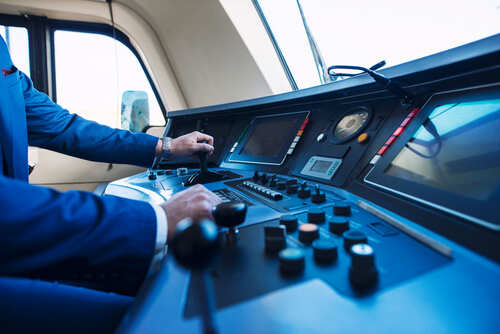
British safety investigators found that a Southern Railway train collided with buffer stops at London Bridge station in 2024 because the driver failed to brake after almost certainly experiencing a brief “microsleep” on approach. The Rail Accident Investigation Branch report explains that the train continued at low speed into the end-of-line barrier instead of decelerating as normal. No injuries were reported, but passengers were jolted and equipment at one of the country’s busiest hubs suffered avoidable damage.
The investigation traces that microsleep to fatigue driven by how the operator, Govia Thameslink Railway, structured the driver’s working life. The driver was on a duty roster that increased fatigue risk and had regularly worked many scheduled “rest days” as additional shifts. On the night before the crash, he slept less than he normally would. Together, those factors left him vulnerable to a sudden lapse in alertness at exactly the moment keen focus was required.
Train driver fell asleep before crashing at London station, investigation finds https://t.co/wbh4VjFDx2 pic.twitter.com/qFDHf1qjeo
— The Independent (@Independent) December 17, 2025
Rostering, Management Gaps, And A System That Failed The Front Line
The Rail Accident Investigation Branch concluded that the operator’s fatigue risk management was “not sufficiently effective” and did not align with industry good practice. Management processes did not properly account for the cumulative effect of long hours, extra rest-day working, and disrupted sleep patterns. Medical fitness assessments also failed to consider the total hours staff actually worked. That shortcoming meant the company lacked a full picture of the strain being placed on drivers trusted with moving packed commuter trains.
For readers used to American debates over federal overreach and union power, this British case illustrates what happens when bureaucratic systems treat workers as schedule entries instead of people with real limits. The driver became the immediate cause of the collision, but the report stresses how rostering rules and weak fatigue controls created conditions for failure. Rather than investing in smarter scheduling and better support, management effectively pushed risk down the chain, relying on an individual’s stamina instead of building in conservative safety margins.
Safety Technology That Never Woke Up
Another striking element of the report is what did not happen: no onboard safety system intervened as the microsleep unfolded. The Train Protection and Warning System installed on the route is designed to brake trains that approach signals or speed limits too fast, but it did nothing here because the train’s speed stayed below its trigger threshold. Existing technology simply was not built to recognize a short loss of driver alertness when the train is creeping into a terminal platform, a blind spot investigators say has appeared in prior fatigue-related incidents.
Investigators note that no mainline trains in the United Kingdom currently carry systems capable of detecting brief lapses like microsleeps. Earlier reports into other overruns had already identified this weakness, yet operators and regulators had not closed the gap before this London Bridge collision. The latest findings will likely renew pressure to deploy cab alertness monitoring, eye-tracking, or similar tools that can recognize when a driver’s attention drops, especially in low-speed terminal approaches where traditional speed-based protections stay silent.
Regulators, Public Trust, And The Push For Reform
The Rail Accident Investigation Branch, an independent body created to prevent future rail accidents, uses the London Bridge report to press for stronger fatigue policies and more effective oversight. Its recommendations target Govia Thameslink Railway’s rostering practices, fatigue risk assessments, and medical fitness processes, urging alignment with established good practice rather than the looser standards that allowed this case to develop. Britain’s Office of Rail and Road, the national regulator, is expected to use the findings when considering enforcement or follow-up action.
For everyday commuters, the crash reinforces concerns that rail operators and regulators often fix problems only after a scare makes headlines. While politicians argue in the media about nationalization, funding, or restructuring, passengers remain dependent on whether management teams keep fatigue in check and adopt modern safety technology. The report shows how quickly things can go wrong when human limits, rostering discipline, and engineering safeguards fail to work together, even on a short, low-speed approach into a familiar London terminal.
Sources:
Report 09/2025: Buffer stop collision at London Bridge station
Train crashed into buffer due to driver microsleep, investigation finds
Train driver fell asleep before London Bridge crash, report reveals
RAIB releases report detailing 2024 buffer collision at London Bridge station
RAIB Report 09/2025: London Bridge buffer stop collision (full PDF)