A new federal intervention in D.C. claims to have nearly eradicated crime, sparking debate over its implications for local autonomy and constitutional rights.
Story Snapshot
- Trump credits D.C. Mayor Bowser for a crime crackdown, citing federal intervention.
- National Guard deployment leads to reported crime drops, but data is contested.
- The intervention sparks a debate on federal versus local law enforcement control.
- Critics challenge the “crime-free zone” claim amid ongoing crime reports.
Federal Intervention and Crime Reduction
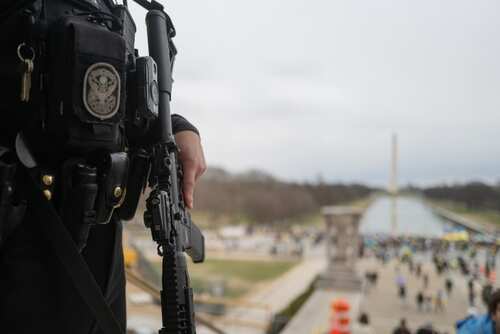
In an unprecedented move, President Donald Trump deployed the National Guard and federal agents to Washington, D.C., under an Executive Order issued on August 11, 2025. The intervention aimed to tackle rising crime rates and restore public safety in the nation’s capital. Mayor Muriel Bowser, a Democrat, publicly supported the federal crackdown, a stance drawing praise from President Trump. He credited Bowser’s cooperation for transforming D.C. into a “crime-free zone,” citing significant drops in crime rates as evidence of the intervention’s success.
Contrasting Approaches and Political Reactions
The collaboration between a Republican president and a Democratic mayor is notable, especially as Trump criticized other Democratic leaders for resisting federal intervention in their cities. Governors like JB Pritzker of Illinois and Gavin Newsom of California have been vocal about maintaining local autonomy against what they see as federal overreach. This cooperation in D.C. sets a contrasting example, highlighting the potential for bipartisan efforts in addressing crime. However, it also raises questions about the balance between federal authority and local governance.
Ongoing Crime and Public Perception
Despite the reported drop in crime, critics argue that the narrative of a “crime-free zone” is misleading. Reports indicate that while carjackings have decreased by 87%, and overall crime has fallen by 15%, hundreds of crimes continue to be reported weekly. This discrepancy fuels skepticism about the sustainability and effectiveness of such federal interventions. The debate centers on whether temporary federal oversight can truly address deep-rooted crime issues or if it merely shifts the problem temporarily.
The intervention has sparked a broader debate about the role of federal government in local law enforcement, with implications for other cities facing similar challenges.
Sources: