A Supreme Court decision threatens to strip away states’ rights to manage their own election processes, potentially disenfranchising millions.
Story Snapshot
- The Supreme Court will review a case that could eliminate mail-in ballot grace periods in 16 states and D.C.
- The Fifth Circuit Court’s ruling challenges a century-old practice of accommodating mail delays.
- This decision could disproportionately affect military, disabled, and overseas voters.
- Potential chaos looms for the 2026 midterms if the Supreme Court upholds the lower court’s ruling.
Supreme Court’s Potential Impact on Mail-In Ballot Deadlines
The U.S. Supreme Court will hear the case Watson v. Republican National Committee, addressing whether federal “Election Day” statutes override state laws allowing postmarked mail-in ballots to be counted after Election Day. This Mississippi case challenges a law permitting ballots postmarked by Election Day to be received within five business days. The Fifth Circuit Court reversed a lower court’s decision, ruling the law conflicted with federal statutes requiring ballots to be received by Election Day.
This case is significant as it directly tests the federal preemption of state grace periods under the Elections Clause. Historically, “Election Day” has been interpreted as the casting deadline, not the receipt deadline, to accommodate mail delays—a practice dating back to the Civil War. The outcome could set a precedent affecting similar laws in 16 states plus D.C. and 29 states for military and overseas voters.
Implications for Voter Access and State Rights
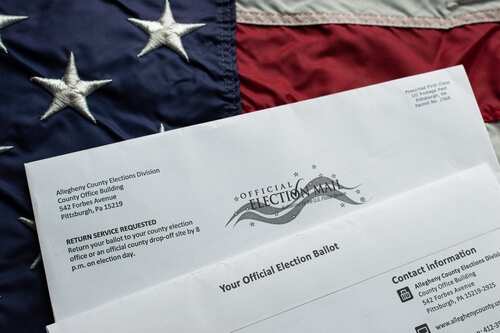
The ruling could lead to considerable upheaval, as dozens of states might need to rewrite their election laws, retrain officials, and inform voters of changes. The disruption could result in the rejection of ballots that are postmarked by Election Day but not received in time due to postal delays. This poses a significant risk to military and overseas voters, as well as disabled and senior citizens who rely on mail-in voting.
The potential decision may reshape the balance of power under the Elections Clause, reducing states’ abilities to accommodate voters through extended mail-in ballot deadlines. This could further disenfranchise millions and challenge the integrity of the election process, especially in rural and remote areas where mail delays are more common.
Broader Consequences and Political Dynamics
If the Supreme Court affirms the Fifth Circuit’s decision, it could lead to increased disenfranchisement and undermine trust in the electoral process. The Republican National Committee and Mississippi Republicans argue for stricter deadlines to ensure election finality, while opponents argue that such rulings could discard valid ballots due to postal delays.
How the Supreme Court’s Mail-In Ballot Ruling Could Affect Voters https://t.co/cLdR27DX7s
— The Bork Report (@BorkReport) December 22, 2025
As the case moves forward, it highlights the ongoing debate between ensuring election integrity and maintaining accessible voting options for all citizens. The decision is expected before the 2026 midterms, potentially influencing the political landscape and sparking further legal and legislative battles over voting rights.
Sources:
Supreme Court Case Could Rewrite Rules for Mail and Military Voting
Supreme Court to Decide Whether Federal Election Day Statutes Preempt State Mail-In Ballot Deadlines
U.S. Supreme Court to Hear Critical Case on Mail Ballot Deadlines
Justices Agree to Decide Major Election Law Case