
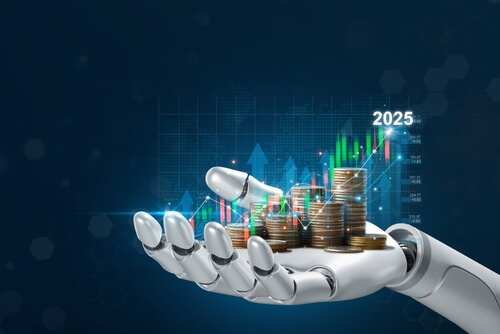
The AI bubble is real, warns ‘Big Short’ trader Danny Moses, drawing eerie parallels with the 2008 financial crisis.
Story Snapshot
- Danny Moses warns of an AI bubble driven by hype and leverage.
- He advises caution on overvalued tech stocks and highlights undervalued energy sectors.
- Moses criticizes retail access to complex private investments.
- He emphasizes vigilance on rising Treasury yields as a systemic risk.
AI Bubble Warnings from a Financial Insider
Danny Moses, renowned for his prescient bets against the subprime mortgage market in 2008, has issued a stark warning about the current AI-driven market enthusiasm. In a recent interview, Moses compared today’s AI stock surge to the housing market assumptions that led to the 2008 crash. His insights, drawn from a successful career in finance, highlight the risks associated with overvalued tech stocks and the unwarranted optimism currently driving the market.
Moses argues that the AI bubble is fueled by the same leverage that caused the 2008 financial chaos. He emphasizes the need for investors to focus on fundamentals rather than succumbing to momentum-driven speculation. His playbook advocates for investments in undervalued energy sectors and cautions against the risks posed by unregulated private equity markets, particularly as they become accessible to retail investors.
Economic Risks and Systemic Warnings
In his critique, Moses flags rising Treasury yields as a significant risk, echoing concerns that systemic issues could mirror those of the pre-2008 era. The current market conditions, with AI stocks like Nvidia and Tesla driving speculative behavior, have created an environment ripe for potential financial instability. Moses’ warning is particularly relevant given his track record of identifying market weaknesses ahead of major downturns.
Moses further critiques the weakening of regulatory frameworks, suggesting that this deregulation could exacerbate the vulnerabilities within the financial system. He warns of the potential for retail investors to suffer significant losses if the bubble bursts, drawing parallels to the role of rating agencies in the 2008 crisis.
Implications for Investors and Policy Makers
The impact of Moses’ warning extends beyond individual investors. The potential economic ramifications include a correction in overvalued tech stocks and a possible resurgence in the energy sector, which Moses believes is currently undervalued. This shift could have broader implications for the economy, particularly if rising yields lead to increased borrowing costs and a slowdown in growth.
'Big Short' trader Danny Moses warns investors the AI bubble is real, and shares his playbook for staying ahead in the market https://t.co/ceWOVzvv8H
— Jazz Drummer (@jazzdrummer420) December 21, 2025
For policymakers, Moses’ insights suggest a need for vigilance and possible reevaluation of regulatory policies to prevent a repeat of past financial crises. As the AI bubble continues to inflate, the lessons from 2008 remain critically relevant, underscoring the importance of sound financial practices and prudent market oversight.
Sources:
Hedge Fund Alpha: The Big Short – Danny Moses
LitCharts: The Big Short – Daniel Moses