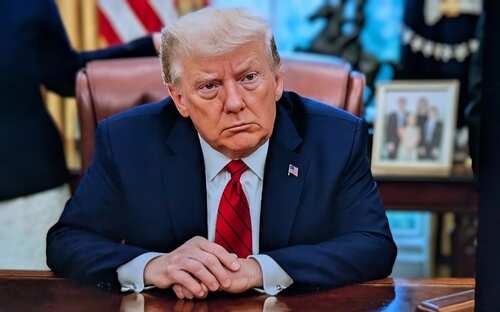
After years of unchecked border chaos and rising crime, President Trump’s sweeping changes to immigration policy are finally stemming the tide, igniting fierce debate over America’s future and sovereignty.
Story Snapshot
- President Trump’s new immigration orders have led to a sharp decline in illegal border crossings.
- Detention and deportation efforts have intensified, targeting criminal offenders and rolling back “catch and release.”
- Mass deportations and expanded ICE authority are disrupting sanctuary policies and provoking legal challenges.
- Critics claim due process is at risk, while supporters say constitutional order and public safety are being restored.
Trump’s Second-Term Immigration Crackdown Delivers Results
Upon returning to office in January 2025, President Trump wasted no time fulfilling his campaign promises to secure the border and restore law and order. Within hours of inauguration, he signed executive orders declaring a national emergency at the southern border, ending “catch and release,” blocking most asylum seekers, and suspending refugee admissions. These moves, paired with the Laken Riley Act mandating detention of immigrants charged or convicted of crimes, marked a dramatic reversal from prior leftist policies that many conservatives viewed as undermining national security and sovereignty.
Since these actions, illegal border crossings have plummeted to historic lows, demonstrating immediate impact. The administration credits this turnaround to strict enforcement and removal of loopholes exploited under previous leadership. Supporters argue Trump’s approach finally puts American citizens first, restoring faith among communities long frustrated by what they saw as “open border” agendas. Critics, however, warn of humanitarian concerns and allege that fast-tracked removals risk bypassing constitutional protections—a claim hotly disputed by administration officials who say public safety and the rule of law are non-negotiable.
Expanded ICE Operations Target Criminal Activity, Sanctuary Cities
With Tom Homan appointed as border czar, ICE has ramped up nationwide operations, focusing intensely on criminals and repeat offenders. According to the Department of Homeland Security, the administration rescinded prior restrictions on ICE arrests at so-called ‘sensitive locations,’ such as schools and churches, arguing that such limitations hindered enforcement efforts. The new directives have altered the landscape for sanctuary jurisdictions. Several local officials, such as San Francisco’s mayor London Breed, have stated that federal funding threats are influencing local cooperation decisions. The Department of Homeland Security reports over 207,000 deportations as of June 2025, while some outside estimates suggest the number may be lower due to legal pushback and logistical hurdles. Even so, the scale and visibility of these efforts have reassured many conservatives eager to see real action after years of perceived inaction.
Legal challenges have emerged, with critics alleging abuses and lack of due process as some deportees are reportedly removed without full hearings. The administration, however, maintains that swift removals are necessary to restore order and deter future illegal entry. A 2025 Justice Department directive led by Attorney General Pam Bondi authorized law enforcement to conduct certain immigration enforcement actions without judicial warrants, citing administrative authority under federal law. Civil liberties attorneys, including ACLU legal director David Cole, have questioned the directive’s constitutionality. Yet, for Trump supporters, these measures signal long-overdue resolve to prioritize American laws and families over foreign lawbreakers.
Restoring Constitutional Principles Amidst Fierce Opposition
Trump’s policies have ignited fierce debate in Congress and the courts. Supporters such as Heritage Foundation analyst Mark Krikorian argue that rolling back ‘catch and release’ and tightening detention standards restore consistency to immigration enforcement and strengthen the rule of law. They point to the decrease in border crossings and the disruption of criminal networks as proof that strict enforcement works. Critics, including former DHS official Alejandro Mayorkas and advocacy groups such as the ACLU, have filed federal lawsuits in the Ninth Circuit Court alleging executive overreach and violations of due process rights under the Fourth and Fifth Amendments. Despite these challenges, the administration remains steadfast, arguing that previous lax policies eroded public trust, fueled illegal immigration, and undermined the nation’s founding principles.
We Are So Screwed
Immigration Attorney sharing new Joe Biden, Kamala Harris Administration immigrant rules that will now allow “MORE THAN A MILLION” illegals to get their green cards
It’s already passed, signed into law and in effect…. Just WOW pic.twitter.com/fI1c1AevE6
— Wall Street Apes (@WallStreetApes) September 1, 2024
Limited data is available on the long-term effects of these sweeping changes, but early indicators suggest that the administration’s tough approach has already shifted the national conversation. The stakes remain high, with both sides preparing for continued legal battles and public debate. Many conservative commentators, such as Fox News analyst Byron York, argue that the administration’s approach represents a renewed commitment to national security and enforcement consistency, though others warn it may deepen polarization over immigration policy.
Sources:
Protecting The American People Against Invasion – The White House
The Anti-Immigrant Policies in Trump’s Final “Big Beautiful Bill …
The Trump Administration’s 2025 Changes to Immigration Law …
The Trump Administration Moves to Reinstate Restrictions on Legal …
Ten Harmful Trump Administration Immigration and Refugee Policies
The First 100 Days of the Second Trump Administration
Immigration policy of the second Trump administration – Wikipedia
Daily State of Play: Trump’s Indefinite Refugee Ban and Funding Halt