A new diplomatic stance threatens to upset the delicate balance in the Middle East, as the US pressures Israel to reconsider its West Bank policy, sparking debates on sovereignty and peace.
Story Overview
- Marco Rubio’s visit marks a significant shift in US-Israel relations, focusing on West Bank policies.
- US pressures Israel to halt West Bank annexation, citing peace process concerns.
- Proposal for a Gaza security force involving regional actors acceptable to Israel.
- Rubio’s public criticism of UNRWA adds complexity to the diplomatic landscape.
Rubio’s Diplomatic Engagement in Israel
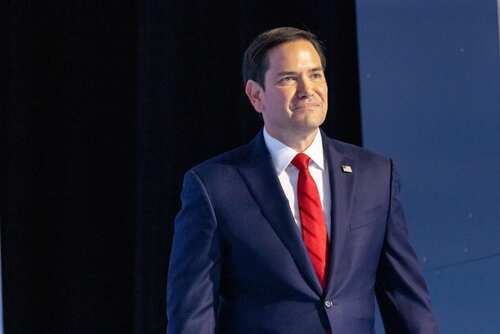
On October 23, 2025, US Secretary of State Marco Rubio arrived in Israel for a diplomatic visit aimed at addressing the contentious issue of West Bank policy amid ongoing Gaza ceasefire negotiations. Rubio’s visit underscores a shift in US diplomacy, urging Israel to reconsider its annexation plans in the West Bank. The Secretary’s meetings with Israeli officials included discussions on a potential Gaza security force involving regional actors acceptable to Israel.
Rubio’s stance represents a direct challenge to Israeli policies, emphasizing that any move toward annexation could derail peace efforts in Gaza. This approach signals a firmer US position on settlement expansion, which has fluctuated in recent administrations. The focus on regional cooperation highlights the US’s strategic aim to stabilize the region through multilateral engagement.
Historical Context and Current Tensions
The West Bank has been a focal point of Israeli-Palestinian conflict since 1967. International law regards Israeli settlements as illegal, a stance Israel disputes. In recent years, settlement activity and violence have escalated, complicating peace efforts. Rubio’s visit comes at a sensitive time, with fragile ceasefire talks in Gaza and heightened West Bank tensions drawing international concern.
Historically, US interventions have sought to prevent West Bank annexation, balancing diplomatic leverage with respect for Israeli sovereignty. The current US approach, led by Secretary Rubio, reflects an ongoing commitment to regional stability and a viable peace process, despite the complex power dynamics involved.
Implications and Reactions
Rubio’s visit and statements have stirred diplomatic waters, with potential short-term effects including increased tension and a possible pause in annexation plans. Long-term implications could involve a recalibration of US-Israel relations and significant impacts on Israeli domestic politics and future peace negotiations. The proposal for a Gaza security arrangement involving regional states demonstrates an effort to reshape regional cooperation.
The visit has drawn varied reactions, with some Israeli commentators viewing US pressure as interference, while others see it as a necessary step toward peace. Palestinian analysts remain skeptical of US intentions but support the opposition to annexation. As discussions continue, the international community watches closely, aware of the delicate balance at play.
🇺🇸🇮🇱🇵🇸 Secretary of State Marco Rubio reiterates US opposition to Israeli annexation of the West Bank, saying the recent Knesset vote is a “threat to the peace process”.@europa pic.twitter.com/S1zfR6TmcN
— EUROPA (@europa) October 24, 2025
Sources:
The Jerusalem Post: US Pressures Israel on West Bank as Rubio Begins Visit
US State Department: Secretary of State Marco Rubio Remarks to the Press