Nvidia’s latest activities in Taiwan highlight how U.S. export controls and Chinese regulations are reshaping the global competition over advanced AI technology.
Story Snapshot
- Nvidia CEO Jensen Huang’s unannounced visit to TSMC underscores urgent geopolitical tensions.
- U.S.-China trade conflicts impact the production and export of Nvidia’s AI chips.
- The visit aims to secure Nvidia’s supply chain and reinforce ties with TSMC.
- Huang’s efforts signal a strategic pivot to address regulatory challenges.
Jensen Huang’s Strategic Visit to TSMC
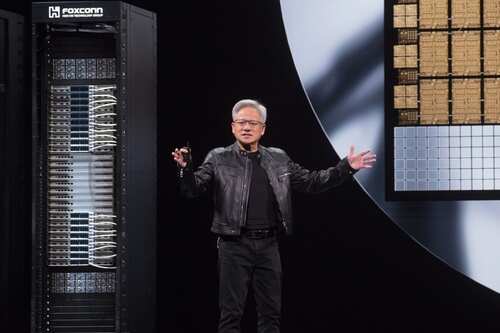
Jensen Huang, Nvidia’s CEO, made an unannounced visit to Taiwan Semiconductor Manufacturing Company (TSMC) on July 2, 2025. This visit, his third to Taiwan this year, highlights the critical role TSMC plays as Nvidia’s primary foundry partner. As Nvidia faces heightened scrutiny and export controls from the U.S. government, this trip underscores the importance of solidifying its relationship with TSMC. The discussions centered around securing advanced chip production amidst escalating U.S.-China tensions.
Amidst these tensions, Nvidia seeks to navigate the complex landscape of U.S. export controls and China’s regulatory requirements. U.S. restrictions aim to limit China’s access to advanced AI chips due to national security concerns. Concurrently, China scrutinizes foreign AI chips for potential security risks. Nvidia’s rapid growth in AI technology, powering global data centers and research, places it at the heart of this tech rivalry. This strategic visit to TSMC is pivotal in maintaining production and compliance with U.S. regulations.
Geopolitical Pressures on AI Chip Production
The geopolitical landscape surrounding AI chip production has become increasingly complex. As tensions between the U.S. and China escalate, Nvidia finds itself balancing compliance with U.S. export regulations while maintaining its foothold in the Chinese market. TSMC, the world’s largest contract chipmaker, supplies companies in both the U.S. and China, positioning it as a pivotal but carefully balanced player in the tech rivalry. This visit by Huang is a strategic move to fortify Nvidia’s supply chain and mitigate risks associated with geopolitical pressures.
The ongoing U.S.-China trade conflicts pose significant challenges. Previous U.S. bans on Nvidia’s A100 and H100 GPUs to China have already affected the company’s operations. The recent discussions with TSMC included plans for the production of Nvidia’s new Rubin AI GPU and the status of H20 AI GPU exports to China. These interactions are crucial for Nvidia to maintain its leadership in the AI sector while managing the complexities of international trade regulations.
Nvidia’s Strategic Partnerships and Future Outlook
Nvidia’s collaboration with TSMC extends beyond chip production to broader AI infrastructure projects. In partnership with Foxconn and support from the Taiwan government, Nvidia is establishing a significant AI factory supercomputer using its Blackwell GPUs. This initiative not only strengthens Taiwan’s position as a global AI and semiconductor hub but also accelerates AI infrastructure development in the region. The strategic interdependence between Nvidia and TSMC is poised to make both companies more resilient yet vulnerable to geopolitical risks.
Nvidia CEO: In Talks With US Over New China Chip https://t.co/moG4xf8d8S
— Observing Time 🏴☠️ (@TimeObserving) August 22, 2025
Looking forward, Nvidia’s ability to navigate these geopolitical challenges will be crucial for its sustained growth and market leadership. The ongoing discussions with U.S. authorities about future export licenses for next-generation AI chips are essential for securing long-term success. As the global tech landscape evolves, Nvidia’s strategic partnerships and compliance with international regulations will determine its trajectory in the competitive AI industry.
Sources:
Nvidia Newsroom (Nvidia-Foxconn-TSMC AI factory partnership)
Ainvest (Nvidia CEO visit context and timeline)
Digitimes (Huang’s unannounced TSMC visit)
Tweaktown (Statements on export controls, product launches, and TSMC relationship)