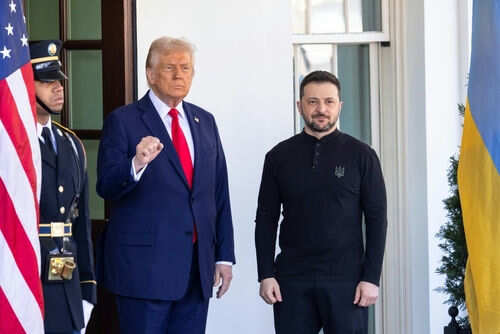
Ukraine has emerged as an unlikely defender of American forces in the Middle East, deploying over 200 battle-hardened drone warfare specialists to counter Iranian Shahed drone attacks that have overwhelmed U.S. defenses and exposed dangerous gaps in our military readiness.
Story Snapshot
- Ukrainian President Zelenskyy confirms 201 anti-drone experts deployed to UAE, Qatar, Saudi Arabia, and Kuwait to protect U.S. bases
- Pentagon requested Ukrainian assistance after Iranian Shahed drone attacks depleted American interceptor stockpiles
- Ukraine’s four years of combat experience against Russian-used Iranian drones positions them as global counter-drone leaders
- Ukrainian manufacturers can export 5,000-10,000 interceptors monthly while training allied forces in low-cost defense tactics
American Military Forced to Seek Ukrainian Expertise
The Pentagon requested Ukrainian counter-drone specialists after Iranian Shahed attacks on U.S. bases in Jordan and throughout the Gulf region exposed critical shortages in American air defense capabilities. President Zelenskyy announced on March 17, 2026, that 201 Ukrainian military experts have been deployed to the United Arab Emirates, Qatar, and Saudi Arabia, with additional teams heading to Kuwait. This unprecedented move highlights how Biden-era defense policies left our forces vulnerable, requiring a smaller allied nation to fill gaps that should never have existed in the first place.
Ukraine’s Battle-Tested Counter-Drone Capabilities
Ukraine developed specialized anti-Shahed expertise after facing near-daily Iranian drone attacks launched by Russia starting in September 2024. Ukrainian interceptors from manufacturers like Wild Hornets and SkyFall have downed 3,900 Shahed drones since May 2025, creating institutional knowledge that no other military possesses. These low-cost interceptor systems cost a fraction of traditional air defense missiles while proving highly effective against Iran’s one-way attack drones. The Ukrainian defense industry has scaled production to 50,000 interceptors monthly, with capacity to export 5,000-10,000 units while meeting domestic defense needs.
Expanding Mission Across Middle East Theater
Over eleven countries have requested Ukrainian anti-drone assistance, reflecting the widespread threat posed by Iranian drone warfare and the failure of existing Western defense systems to adequately counter these attacks. Ukrainian specialists are training allied forces in rapid-response tactics, with basic pilot training completed in three days, though full integration of interceptor networks with radar and electronic warfare systems requires months. Zelenskyy has emphasized that the world has entered “the time of drones and AI,” positioning Ukraine to export both hardware and expertise to nations facing similar asymmetric threats from Iran and its proxies.
Strategic Implications for American Defense
This deployment reveals troubling realities about American military preparedness under previous leadership. The fact that U.S. forces needed Ukrainian assistance to defend against Iranian drones exposes how years of misallocated defense spending and strategic mismanagement left our troops vulnerable. Ukraine’s shift from aid recipient to defense exporter demonstrates how focused investment in practical, cost-effective weapons systems outperforms bloated Pentagon budgets. The Trump administration now has the opportunity to learn from Ukrainian innovations and rebuild American air defense capabilities that were neglected while billions were wasted on ineffective programs and endless foreign entanglements.
Over 200 Ukrainian anti-Shahed experts are helping the US and its allies deal with Iran's drones, Zelenskyy says https://t.co/oXwaD0FDgO
— Jazz Drummer (@jazzdrummer420) March 18, 2026
Ukrainian firms like SkyFall and TAF Industries are negotiating agreements with Gulf states for interceptor sales and training programs, potentially generating significant revenue while strengthening alliances that could yield reciprocal benefits such as advanced weapons deliveries to Ukraine. This cooperation strengthens ties between Ukraine, the United States, and Arab nations facing shared Iranian aggression, creating a practical alliance based on common threats rather than abstract diplomatic frameworks. The success of these deployments will determine whether low-cost drone interceptors become the new standard for air defense or remain a niche capability.
Sources:
CBS News – U.S. Ukraine Drone Defense Expertise Iran War
Democracy Now – Ukraine Sends Drone Experts to Counter Iranian Attacks Across Mideast
United24 Media – Ukraine Deploys 201 Drone Experts to Middle East to Combat Shahed Threats
Kyiv Post – Ukrainian Drone Experts Deploy to Middle East
FPRI – Better Late Than Never: U.S. and Allies Race Toward Ukrainian Counter-Shahed Tech