

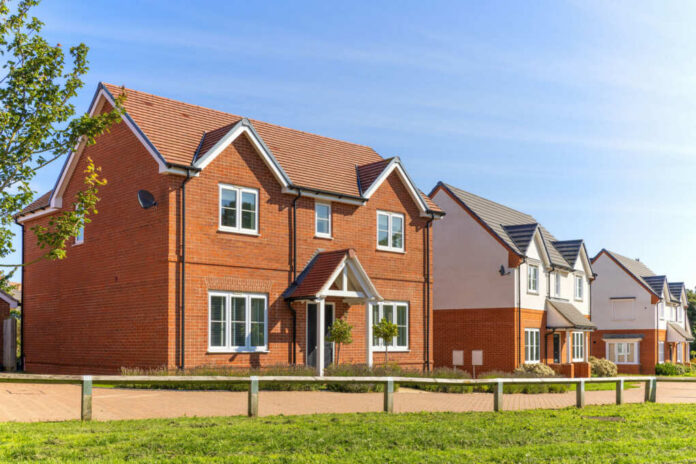
Britain’s Labour-led plan to build “seven new towns” is being sold as a housing fix, but the fine print shows a centrally managed redevelopment push that could reshape local control for decades.
Story Snapshot
- The UK government has confirmed seven locations to progress as “new towns,” each expected to deliver at least 10,000 homes, with some proposals exceeding 40,000.
- Design concepts emphasize car-free or car-minimal neighborhoods, green space, and new or revived high streets, tying housing to transport and jobs planning.
- The seven progressed sites come from an earlier expert taskforce list of 12; six locations were not advanced after government review.
- Officials say spring consultations and environmental assessment work will shape final plans, leaving key details—timelines, costs, and delivery mechanisms—still unresolved.
Seven “New Towns,” but Many Are Expansions and Regeneration Zones
The Independent reported the government has selected seven locations for the next wave of “new towns,” including Tempsford in Bedfordshire, Leeds South Bank, Crews Hill and Chase Park, Manchester Victoria North, Thamesmead, Brabazon/West Innovation Arc, and Milton Keynes. The common promise is scale—at least 10,000 homes per site—paired with planned amenities such as green spaces and walkable centers. The framing suggests a clean break from the past, but several sites are tied to existing redevelopment and transport-led growth strategies.
Housing Secretary Steve Reed described the initiative as a “turning point,” arguing the next generation of planned communities will coordinate homes, jobs, transport links, and green space “designed together.” That language reflects a broader planning philosophy: housing is not treated as a stand-alone market outcome, but as a state-directed package built around infrastructure and place-making goals. Supporters see that integration as practical; critics typically worry it can also mean top-down targets overriding local priorities and budget realities.
How the Government Narrowed 12 Recommended Sites Down to Seven
The government’s own announcement explains that an expert taskforce recommended 12 potential locations in late September 2025, and ministers publicly highlighted three—Tempsford, Crews Hill, and Leeds South Bank—as especially promising. The latest reporting indicates seven are now being progressed, while six locations listed in press coverage were not advanced. The official process still points ahead to draft proposals, consultation, and a Strategic Environmental Assessment in spring, meaning final designations and commitments remain in motion.
That sequencing matters for accountability. Announcing locations creates political momentum, but the difficult work comes later: land assembly, transport capacity, utilities, environmental constraints, and agreements with local authorities and developers. The government has said it wants construction underway in at least three places before the next election, a pledge that adds pressure to move quickly. Speed can help relieve housing shortages, but it can also reduce time for meaningful local feedback when the core blueprint is already set.
Design Goals: Car-Minimal Neighborhoods, Green Space, and High Streets
The plan’s design features—car-free or car-minimal layouts, green spaces, and high streets—fit a wider European trend in urban planning. For many families, the selling point is quality of life: safer streets, nearby services, and predictable development rather than piecemeal sprawl. The tradeoff is that car-minimal development can require major upfront transit investment and can change how working families commute, especially outside London where rail and bus networks vary widely in coverage and reliability.
Transport links are central to the government’s case. The taskforce emphasized connectivity and alignment with growth corridors, including areas linked to the Oxford-Cambridge arc and rail projects such as East West Rail. Leeds South Bank, for example, is discussed in the context of wider transport investment and regeneration. In practical terms, this indicates the “new towns” brand is partly a housing delivery label for a package of transport-led urban expansion and densification already underway in some places.
Why “New Towns” Raise Questions About Local Control and Cost
Britain has a long history of planned new towns dating to the post-war era and the New Towns Act 1946, which created places like Milton Keynes as intentional population and jobs centers. Today’s version updates that model with modern sustainability goals, but it still concentrates power in central decision-making—designation, funding priorities, and national targets—while local residents bear the day-to-day impact. The official materials do not settle key issues such as final funding totals, delivery vehicles, or precise start dates.
Planner and commentator Andrew Lainton’s analysis adds a useful reality check: he argues only a small number of the taskforce’s suggested locations were truly “new” in the classic greenfield sense, with several being long-planned expansions or regeneration schemes. That critique does not disprove the housing potential, but it does challenge the messaging. If “new towns” are largely rebranded existing plans, the public deserves clarity on what is genuinely new: governance structure, infrastructure financing, density, and how leaders will measure success beyond headline home totals.
Sources:
The location of seven new towns to be built across the UK revealed
Expert taskforce recommends locations for new towns
12 new towns announced – but how many are really new?
New towns in the United Kingdom