A federal judge’s ruling halts Trump’s FTC probe into Media Matters, spotlighting potential First Amendment violations and raising alarms about government overreach.
Story Highlights
- Judge blocks FTC probe of Media Matters, citing First Amendment concerns.
- FTC’s investigation seen as politically motivated retaliation.
- Media Matters protected from immediate regulatory scrutiny.
- Case underscores tension between government power and press freedoms.
Judge Halts FTC Investigation, Citing Constitutional Concerns
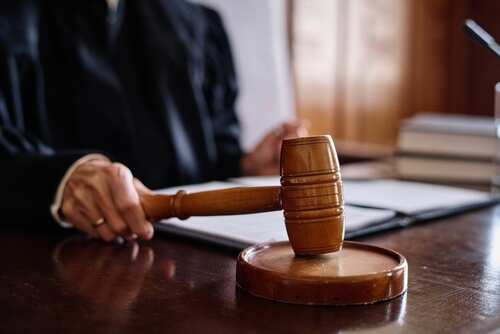
U.S. District Court Judge Sparkle L. Sooknanan recently issued an injunction against the Federal Trade Commission’s (FTC) investigation into Media Matters for America. The liberal media watchdog had been under scrutiny for its reporting on X, formerly known as Twitter, suggesting a role in advertiser boycotts targeting the platform. According to the ruling, Judge Sooknanan found that the FTC’s probe likely violated the First Amendment by retaliating against Media Matters for its reporting.
This decision comes amid growing concerns over the use of federal agencies to target media organizations critical of the Trump administration. Media Matters had filed a lawsuit claiming the FTC’s civil investigative demand (CID) was part of a politically motivated effort to silence dissenting voices. Judge Sooknanan’s ruling halts the investigation, providing a temporary reprieve for the watchdog group and emphasizing the need to protect constitutionally guaranteed freedoms of speech and press.
Background: A Clash of Media and Government
Media Matters, founded in 2004, has a history of scrutinizing conservative media and often faces backlash from right-wing entities. In November 2023, the group published a controversial report showing major brands’ ads appearing alongside extremist content on X, leading to public outrage. Following this, Elon Musk, owner of X, launched a lawsuit against Media Matters, alleging that the report harmed the platform’s business relationships. Subsequently, the FTC, under leadership appointed by President Trump, began its investigation into Media Matters in May 2025.
Critics, including legal analysts writing in Reason and attorneys representing Media Matters, characterized the investigation as politically motivated retaliation, noting the FTC sought extensive documentation of the group’s activities. The watchdog’s legal challenge argued that the FTC’s actions represented a direct attack on its First Amendment rights, setting the stage for the current legal battle. Judge Sooknanan’s injunction is seen as a significant victory for the press and nonprofit watchdogs, reinforcing the legal protections that shield these entities from governmental overreach.
Implications for Press Freedom and Government Accountability
The court’s decision to block the FTC’s investigation against Media Matters may have profound implications for the relationship between media organizations and government agencies. Legal experts cited by ABC News note that the ruling temporarily protects Media Matters from immediate FTC actions. According to constitutional law scholars at UCLA (Volokh Conspiracy), the case could set a precedent that limits the ability of federal agencies to investigate nonprofit watchdogs based on their reporting or advocacy.
The ruling is likely to fuel ongoing debates about the limits of government power, especially in politically charged environments. It underscores the necessity for vigilance in protecting free speech and press freedoms, crucial pillars of democracy. As the case progresses, it will be watched closely for its potential to influence future interactions between regulatory bodies and media entities.
Biden-Appointed Judge Blocks FTC Investigation of Media Matters, Claims First Amendment Violation https://t.co/5C4TfYbJ7s via @BreitbartNews 🖕🖕 Media Matters! Barry will be remembered for this marxist bullsh!t as the high light of his career.
— Vitas Svikla (@VSvikla48382) August 20, 2025
While supporters of the FTC’s actions argue that regulatory scrutiny is warranted when advocacy groups engage in potentially anti-competitive behavior, critics maintain that such investigations risk chilling free speech and undermining democratic accountability. This case highlights the delicate balance between government oversight and the protection of fundamental rights, a balance that is increasingly under scrutiny in today’s polarized political climate.
Sources:
Clearinghouse (court documents)