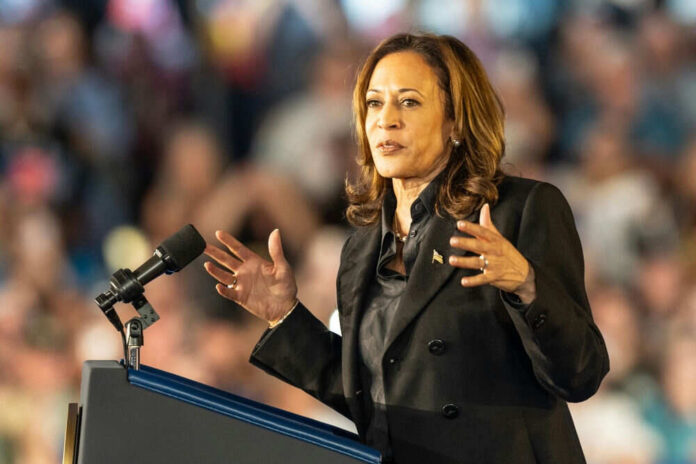
One late-night TV jab about “attractiveness” is hijacking the 2028 political conversation while Americans are watching their leaders juggle war, inflation pain, and a country that feels off the rails.
Story Snapshot
- Fox News host Jesse Watters sparked backlash after saying he “didn’t think Kamala was hot” during a segment about Democratic 2028 prospects.
- Vice President JD Vance used the same segment to argue Democrats are “deeply deranged” and out of step with “bread-and-butter” concerns like affordability and safety.
- The clip continues circulating online with little verified follow-up beyond the initial broadcast, underscoring how viral media can crowd out substantive debate.
- Only one primary source is available in the provided research, limiting verification of wider claims or broader context beyond the clip itself.
What Happened on Jesse Watters Primetime
Jesse Watters’ January 8, 2026, episode of Jesse Watters Primetime put 2028 Democratic speculation in the spotlight by cycling through names like Kamala Harris and California Gov. Gavin Newsom. Watters’ line—“I didn’t think Kamala was hot”—became the headline moment because it shifted the discussion from record and competence to physical appeal. The available research does not show an extended factual follow-up beyond the clip’s circulation.
Vice President JD Vance appeared in the same segment and aimed his critique at Democratic governance and priorities rather than optics. According to the provided research summary, Vance described Democrats as “deeply deranged” and suggested the party’s likely 2028 bench would be weak. The segment framed Democratic leadership as disconnected from everyday pressures, emphasizing issues like affordability and public safety as the terrain Republicans prefer to fight on.
Why This Clip Went Viral—and Why That Matters
Viral politics rewards the most provocative sentence, not the most informative argument, and this segment is a textbook case. The research notes the clip remains a widely shared online talking point, amplified by tags and reposts, while “no major follow-ups” are documented. That imbalance matters because voters trying to evaluate leaders’ competence get pulled into personality fights that don’t lower grocery bills, stabilize energy costs, or clarify U.S. strategy abroad.
For a conservative audience already tired of being lectured about “woke” priorities, the risk is that cable-TV theatrics becomes another distraction from concrete accountability. A comment about “attractiveness” invites predictable outrage and counter-outrage, while the public learns less about how potential nominees would govern. With only a single primary source in the provided research, readers should also be cautious about treating broader online reactions as verified facts rather than algorithm-driven noise.
Vance’s “Bread-and-Butter” Frame vs. Tabloid-Style Politics
JD Vance’s presence gave Republicans a more traditional attack line: Democrats allegedly failed on affordability and safety, and their leadership class is out of touch. That message aligns with what many older conservatives say they want—less cultural circus, more competence. Still, the segment’s viral hook wasn’t policy; it was a personal jab. The juxtaposition illustrates a continuing tension inside conservative media: serious persuasion gets less oxygen than click-friendly controversy.
The Larger Political Question: Electability, Media Power, and Standards
The research suggests the long-term effect may be reinforcing “electability” debates tied to image rather than governance. That may pressure parties to select candidates who “look right” for TV, not leaders who can handle budgets, borders, or war. Conservatives who care about limited government and constitutional stability should want campaigns fought on real constraints—spending, executive power, and the rule of law—because personality politics tends to expand government by replacing accountability with branding.
VIDEO – ‘I Didn’t Think Kamala Was Hot’: Jesse Watters Debates Whether Dems Need ‘Attractive’ Candidate in 2028 https://t.co/rmkoSuxrjc
— Grabien (@GrabienMedia) March 24, 2026
At the same time, the limited sourcing here is a reminder to demand receipts before drawing big conclusions. The available material documents the broadcast and its themes, but it does not provide a comprehensive transcript, Democratic responses, or independent analysis beyond the clip. That’s not an excuse for double standards; it’s a reason to keep the focus on verifiable records and policy outcomes—especially in a tense national climate where trust is thin and distractions are plentiful.
Sources:
Jesse Watters Addresses Backlash Over ‘Inappropriate’ …
JESSE WATTERS: Kamala Harris has a ‘man problem’
JESSE WATTERS: Kamala’s faltering candidacy threatens …