An Idaho sheriff’s team identified a 1982 cyanide suicide victim as a Florida doctor and sent Chicago a packet of clues that could matter—yet they still cannot place him in Chicago when the Tylenol murders happened.
Story Snapshot
- Ada County named the “Unknown Wanderer” as Dr. Mathew Francis Betkouski.
- Detectives cited cyanide, a typed note, cash, and nearly 30 keys from 1982.
- Chicago’s Federal Bureau of Investigation (FBI) says links remain unsubstantiated.
- No proof places Betkouski in Chicago during the late-September 1982 poisonings.
What Idaho Officials Announced And Why It Matters
Ada County Sheriff Matt Clifford said investigators identified the man found in a Boise church in December 1982 as Dr. Mathew Francis Betkouski. Detectives said a key on his person led to a Jacksonville hardware shop record, and family DNA confirmed the name. The case file lists cyanide poisoning, a typed suicide note signed “William L,” $1,900 in cash, and nearly 30 keys among his effects. Officials passed possible Tylenol-related leads to Illinois but did not name a suspect.
Officials highlighted details they believe could be relevant to poison crimes. Reports state acquaintances recalled Betkouski discussing how someone could tamper with medicine capsules. Investigators also found photos showing he visited Chicago at some point and noted a Chicago map among his items. They pointed to a history of mental health struggles and an interest in cyanide and explosives. These facts, they argue, make him a plausible profile match, not a proven offender.
The Gaps: Time, Chemistry, And Proof
Detective Tim Cooper said investigators cannot place Betkouski in Chicago during the final week of September 1982, when seven people died after taking laced capsules. Chicago’s Federal Bureau of Investigation stated that repeated claims about links have remained unsubstantiated. Reporters also noted a chemical mismatch: sodium cyanide connected to Betkouski versus potassium cyanide used in the murders. These gaps mean the new identification is not the same as solving the killings.
Chicago media quoted a former prosecutor saying the Idaho press event showed no credible evidence tying Betkouski to the homicides. Illinois outlets stressed that Ada County is not naming him a suspect. No public record shows travel receipts, fingerprints, witness IDs, or packaging links to any store or victim. Without a timeline, physical trace, or matching chemistry, the theory stays in the “possible” lane, not proven fact.
What Comes Next And Why Both Sides Should Care
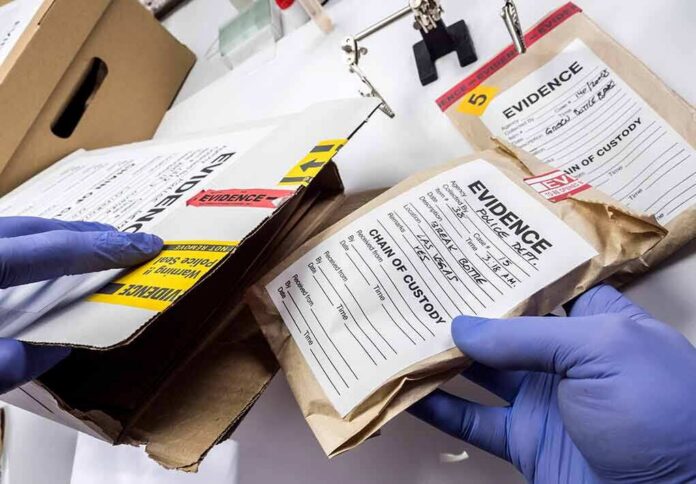
Detectives outlined steps that could test the lead. A travel reconstruction could check airline, bus, hotel, and credit records for late September 1982. A full Ada County file release could let outside experts review notes, property logs, and lab work. A lab comparison of any surviving Tylenol evidence to Betkouski-linked materials could test chemistry and handling clues. These moves would either build a bridge to Chicago or close this path down.
https://twitter.com/Noreason1912/status/2102876956941328568
The stakes go beyond one case. Many Americans across the political spectrum feel big cases drag on while agencies talk past each other. The Tylenol murders changed drug packaging nationwide, but no one was charged. If a clean, documented chain of evidence finally emerges, it would show the system can still deliver hard answers. If not, it is another reminder that headlines travel faster than proof, and public trust pays the price.
Sources:
yahoo.com, dailyfly.com, idahonews.com, cbsnews.com, ground.news