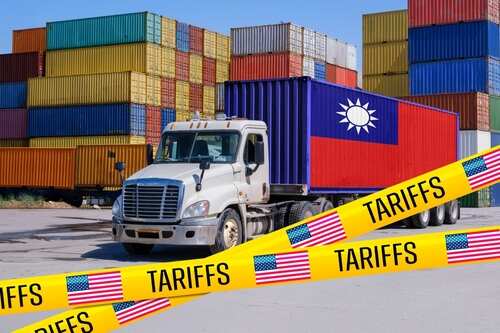
President Trump’s strategic tariff reduction from 32% to 20% on Taiwanese goods marks a significant victory in America-first trade negotiations, though Taiwan still faces higher rates than other partners as the administration leverages economic pressure to secure better deals for American workers and manufacturers.
Story Highlights
- Trump administration successfully reduced Taiwan’s tariff burden from 32% to 20%, effective August 7, 2025
- Taiwan still pays higher rates than Japan, South Korea, and EU due to persistent trade deficit with America
- Ongoing negotiations could deliver further reductions as Taiwan seeks investment commitments to level the playing field
- Strategic use of tariffs demonstrates Trump’s dealmaking approach to protect American economic interests
Trump Administration Delivers Measurable Progress on Trade Balance
President Trump’s Executive Order reducing Taiwan’s reciprocal tariffs from 32% to 20% follows multi-round negotiations and reflects the administration’s use of reciprocal tariffs as trade leverage. The reduction, which took effect August 7, 2025, represents a 12-percentage-point victory achieved through persistent negotiations following the initial April tariff announcement. Taiwan’s Executive Yuan confirmed the rate remains provisional, acknowledging ongoing discussions aimed at further reductions that would benefit both nations’ economic interests.
America First Policy Addresses Critical Trade Imbalances
The tariff structure reflects sound economic principles by maintaining higher rates on countries with significant trade surpluses against America. Taiwan’s 20% rate exceeds those granted to Japan, South Korea, and the European Union, directly correlating with the substantial US-Taiwan trade deficit that has disadvantaged American manufacturers for decades. This targeted approach ensures foreign partners contribute fairly to American economic prosperity while maintaining strategic relationships essential for national security and technological advancement.
Strategic Negotiations Protect American Manufacturing Interests
White House officials correctly identified that some countries’ initial offers failed to adequately address the national emergency declared in April regarding trade imbalances. Taiwan’s government acknowledges the need to protect both nations’ industrial interests while working toward mutually beneficial agreements. The provisional nature of current rates incentivizes genuine commitments from Taiwan regarding investment in American manufacturing and job creation, following successful models established with other trading partners.
Conservative Economic Principles Drive Successful Outcomes
The administration’s approach exemplifies conservative free-market principles by using tariffs as negotiating tools rather than permanent barriers to trade. Taiwan’s strategic importance as a semiconductor supplier gives both sides incentive to reach fair agreements that protect American workers while maintaining critical supply chains. Industry experts recognize this balanced strategy addresses legitimate concerns about trade deficits while avoiding the economic disruption that previous administrations allowed through weak negotiating positions and globalist policies that prioritized foreign interests over American prosperity.
The ongoing negotiations represent a clear departure from failed policies that allowed foreign partners to exploit American markets without reciprocal benefits. Taiwan’s willingness to engage in substantive discussions demonstrates the effectiveness of principled economic leadership that puts American interests first while maintaining productive international relationships essential for national security and economic growth.
Sources:
U.S. sets 20% tariff on Taiwan goods (update)
Further Modifying the Reciprocal Tariff Rates