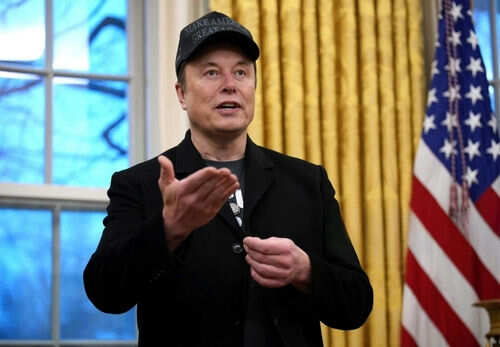
Elon Musk accused OpenAI co-founders of “looting a charity” in explosive courtroom testimony, warning that allowing the nonprofit’s transformation into a profit-driven entity would destroy the foundation of charitable giving in America.
Story Snapshot
- Musk testified that OpenAI betrayed its 2015 nonprofit mission by becoming profit-focused with Microsoft’s backing
- The lawsuit seeks $150 billion in damages to be returned to OpenAI’s charitable arm
- OpenAI’s defense claims Musk wanted to lead a for-profit transition himself but sued after being denied control
- The case could set precedent for nonprofit-to-profit conversions in the tech sector
Musk Takes the Stand Against Former Partners
Elon Musk testified Tuesday in a high-stakes trial against OpenAI, co-founder Sam Altman, President Greg Brockman, and Microsoft, framing his lawsuit as a defense of America’s charitable system. Musk co-founded OpenAI with Altman in 2015 as a nonprofit artificial intelligence research company dedicated to developing AI benevolently for humanity. The billionaire entrepreneur told the court that OpenAI was “his brainchild” and warned that allowing its transformation would set a dangerous precedent. His testimony marked a dramatic confrontation between Silicon Valley titans over the future of AI development and corporate governance.
From Nonprofit Mission to Microsoft Partnership
OpenAI’s evolution from nonprofit to profit-seeking entity began accelerating after Musk departed amid disagreements with leadership. By 2023, Microsoft invested $10 billion in the company, fundamentally shifting its structure and priorities. The tech giant’s massive investment fueled OpenAI’s ChatGPT success but also intensified scrutiny over whether the organization abandoned its founding principles. Musk launched his competing AI venture, xAI, in 2023, positioning himself as defender of the original mission while OpenAI pursued commercial dominance. This transformation from charitable research organization to billion-dollar enterprise forms the core of Musk’s legal challenge.
Competing Narratives in the Courtroom
Musk’s attorney portrayed OpenAI’s leadership as betraying their founding mission through greed, while OpenAI’s defense attorney William Savitt countered that Musk himself pushed for a for-profit structure when he wanted to lead it. Savitt argued: “We are here because Musk did not get his way.” Musk forcefully rejected this characterization, declaring that “if we make it okay to loot a charity, the entire foundation of charitable giving in America will be destroyed.” The conflicting accounts reveal a power struggle between Musk, the world’s richest person, and OpenAI, now an AI industry leader backed by Microsoft’s financial might. The jury must determine whether OpenAI’s evolution constitutes mission betrayal or legitimate organizational growth.
Broader Implications for Tech and Charity
The trial’s outcome could reshape how nonprofit tech organizations transition to for-profit models and influence AI governance regulations. If Musk’s $150 billion damages claim succeeds, it would dramatically alter OpenAI’s structure and potentially boost his competing xAI venture. The case resonates with Americans frustrated by elites seemingly manipulating systems for personal gain, whether in government or corporate boardrooms. Both conservative skeptics of big tech’s unchecked power and liberal critics of wealth concentration have reason to watch this battle between billionaires closely. The lawsuit exposes tensions between innovation requiring capital investment and preserving charitable missions intended to serve humanity rather than shareholders.
The trial continues as jurors weigh whether OpenAI’s leadership violated their fiduciary duty to maintain the organization’s nonprofit mission or whether Musk’s lawsuit represents sour grapes from a co-founder who lost influence. Regardless of the verdict, this courtroom showdown highlights growing concerns about accountability among powerful tech leaders and institutions that claim to serve the public good while pursuing enormous profits. The American people deserve answers about whether charitable principles matter when billions of dollars and cutting-edge technology are at stake.
Sources:
Elon Musk casts his OpenAI lawsuit as a defense of charity
Elon Musk accuses OpenAI CEO Sam Altman of trying to steal charity