Washington says Iran broke the ceasefire at sea, Iran says it managed it—either way, Americans see a deal they cannot trust.
Story Snapshot
- U.S. says Iranian drones hit a cargo ship and broke the ceasefire; Iran disputes that.
- American forces struck Iranian sites in response, risking a wider fight.
- Key facts remain unverified in public, feeding doubt across the spectrum.
- Energy markets and shippers signal fear that leaders cannot keep the lanes safe.
What Both Sides Say About The Strike
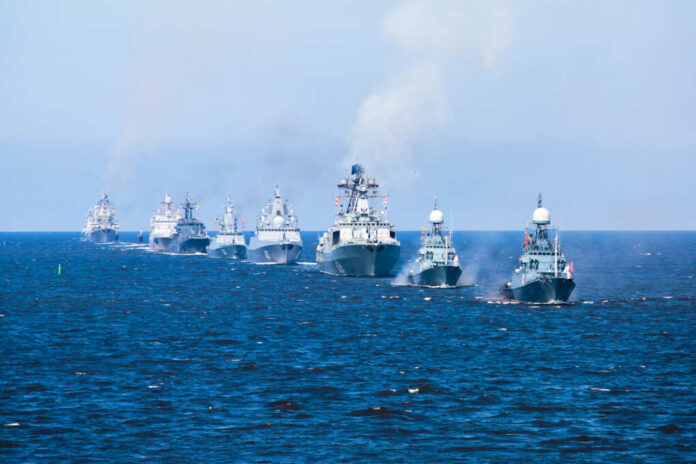
United States officials say Iran launched at least four one-way attack drones at ships near the Strait of Hormuz. They say American forces shot down three drones and one hit a large cargo ship’s upper deck. President Donald Trump called it a clear ceasefire breach. United States Central Command later labeled the move “unwarranted aggression.” Iran’s Revolutionary Guard said it targeted United States locations in the region, not commerce, and framed actions as “ceasefire management,” not a violation [4].
Confusion deepened over details of the hit. A Singapore-flagged vessel called Ever Lovely reportedly suffered bridge window damage on the starboard side near Oman. Reporters said no photos of the damage were released at the time. Iran did not publicly admit to striking that specific ship. These gaps left room for doubt and spin from both sides. Without images, logs, or debris analysis, people who already distrust official stories saw reasons to question them [4].
How Washington Answered, And What Tehran Claimed
United States forces hit back inside Iran. News outlets reported strikes on missile and drone storage sites and coastal radar locations. Officials framed the action as a measured response to protect shipping and enforce the deal. Iran’s Revolutionary Guard countered with a claim that it struck United States positions in the region. That message aimed to show strength at home while pushing back on the United States story of a commercial-traffic attack at sea [3].
Partners across the Gulf criticized Iran’s behavior, but many avoided declaring the ceasefire broken. Bahrain’s state media blamed Iran for spreading chaos, and Egypt and Kuwait voiced concern. Their words matched growing alarm but stopped short of endorsing the United States narrative. That careful language suggests leaders want calmer waters more than they want to choose a side in a legal fight over the deal’s lines and limits [5].
Why The Evidence Gap Matters For Trust
Key facts still lack public proof. There is no shared set of photos of the damaged bridge windows. There is no open video from warships or drones that shows the launch and intercept chain. Iran has not provided path data to show a route violation by the ship. The absence of basic records allows each camp to fill the void with its own claims. For citizens who already think elites hide the ball, this looks like more of the same fog [4].
Past incidents in the strait show a pattern of drone attacks, quick denials, and careful counterstrikes. Independent analysts have tracked repeat cycles since 2023. Both sides use ambiguity. The United States wants to show control of a vital oil lane. Iran aims to resist without tipping into full war. When leaders ask the public to “trust us” without evidence, people across right and left recall times they were misled, and they harden their doubts [7].
What It Means For Energy, Shipping, And American Families
Ship operators, insurers, and crews react fast to risk. Even rumors of drone hits can slow traffic or change routes. Reports pointed to shaken confidence among shippers and institutions. Some outlets even flagged shifts in oil prices around key dates tied to the deal and attacks. Swings in prices hit the pump and family budgets. They also strain small trucking firms and farmers who already face tight margins and rising costs [4].
Americans on both sides worry that leaders put politics first. Conservatives see weakness and mission drift that invite more attacks. Liberals see secret deals, mixed messages, and rising odds of another open-ended conflict. Both see a government that cannot give straight answers fast. Concrete steps could help: release unedited intercept video, publish the ship’s route data, and share debris forensics. Facts on the table would not solve the conflict, but they would honor the public’s right to know [4].
Sources:
[3] Web – US says it thwarted Iranian missile and drone attacks after strikes in …
[4] YouTube – US strikes Iran after Strait of Hormuz attack | Sunrise
[5] Web – US strikes Iran in response to drone strike on commercial ship
[7] Web – 2019 Iranian shoot-down of American drone – Wikipedia