
Venezuela’s quake death toll kept climbing as rescue crews faced a widening disaster that the government still could not fully count.
Quick Take
- Officials said the death toll had reached at least 1,719, with 5,034 injured and 15,866 displaced.
- Earlier reports showed a fast rise in the numbers, from 32 deaths to 235, then 589, then more than 1,400.
- Satellite-based estimates suggested far more buildings were damaged than officials had publicly detailed.
- Large gaps remained in the public record, including unclear missing-person totals and no full independent audit.
Official Count Keeps Rising
Venezuelan authorities said the earthquake death toll had reached at least 1,719 by Monday, with 5,034 injured and 15,866 displaced from their homes. The figures came as rescue teams kept searching rubble days after the twin quakes struck on June 24. The sharp rise in the count showed how quickly the disaster was still unfolding, even after the first emergency reports had already gone public.
Those numbers were not steady from the start. Reuters reported an initial official tally of 32 dead and 700 injured, while later government updates pushed the count to 235, then 589, then above 1,400. That pattern is common after major disasters, when early reports miss victims, remote areas are cut off, and hospitals and morgues are still trying to sort records.
Why the Numbers Keep Changing
The fastest-changing part of the story is not only the death toll, but the gap between reported injuries and missing people. ABC News reported families saying nearly 68,900 people were missing, while other reports said tens of thousands were still unaccounted for. At the same time, the government had not released a clear, public missing-person registry that outside experts could check.
That missing data matters because casualty counting in disasters depends on method, not guesses. The United Nations and the United States Centers for Disease Control and Prevention both describe the need for clear source checks, standard reporting, and record review when deaths are tracked after mass-casualty events. Without that kind of process, early totals can understate the damage or shift again as new information comes in.
Damage Looks Larger Than the Public Record
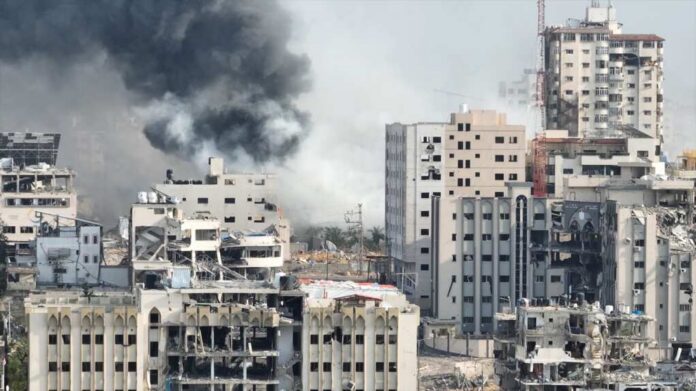
The physical damage appears far larger than the official summary suggested. One report said authorities listed 855 affected buildings, including 189 total collapses, while satellite analysis cited by the United Nations News service estimated up to 58,870 buildings may have been damaged or destroyed. That gap between the government count and remote sensing estimates points to a scale of destruction that may still be only partly documented.
Death toll from the June 24 double-earthquakes that hit Venezuela is almost 3,000. Now that the probability of anyone being alive in the 190 collapsed buildings is near zero, rubble can be cleared with heavy equipment and remains can be extracted. https://t.co/jdzyVvnP4D
— Diana Barahona (true name) (@dlbarahona) July 4, 2026
This is why the quake response has become more than a rescue story. It has also become a test of state capacity, public trust, and basic transparency. When casualty figures jump every day, citizens on both the left and right tend to ask the same question: who is really in control of the facts? In a country already weakened by years of crisis, that question now hangs over every new update.
Political Pressure and Public Distrust
The rising toll also feeds political tension. Miami Herald reporting said anger at the government was growing as the disaster spread, and other coverage noted that many Venezuelans believed the true number of victims was much higher than the official count. That distrust is hard to ignore in a country where state institutions are already under strain, and where even disaster data can quickly become part of a larger fight over power and credibility.
International reporters and aid groups have not treated the official figures as final. They have repeatedly noted that the count could rise as more areas are searched and more records are reviewed. That caution does not prove bad faith. It does show that the public still does not have a clean, verified picture of how many people died, how many were injured, and how much of the country was damaged.
Sources:
insiderpaper.com, facebook.com, cnn.com, reuters.com, news.un.org, linkedin.com, cdc.gov