
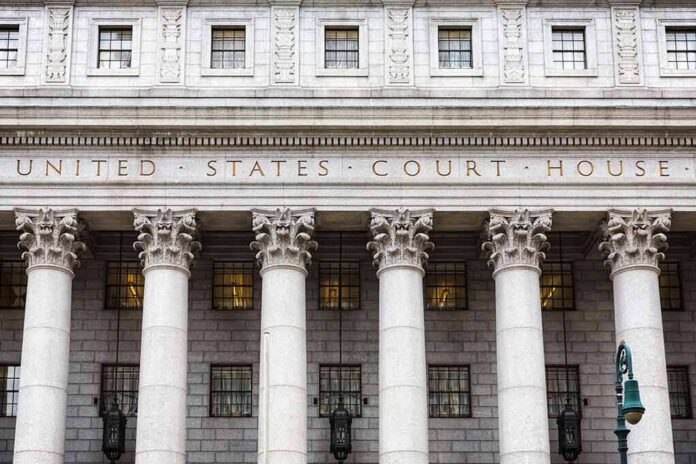
A federal judge put a 28-day stop on the Education Department’s plan to publish the names of foreign donors to U.S. colleges, signaling the courts may view the shift as government overreach rather than simple transparency.
Story Highlights
- A judge halted release of individual foreign donor names tied to university gifts and contracts.
- The court questioned a sudden policy change after years of aggregate-only reporting.
- Universities say they submitted names expecting confidentiality; the judge cited possible harm.
- Section 117 of the Higher Education Act requires reporting of large foreign funding, but not necessarily public naming.
What the Court Ordered and Why It Matters
U.S. District Judge Tanya Chutkan issued a temporary restraining order that blocks the Department of Education from publishing identities of foreign donors tied to thousands of gifts nationwide. The order lasts 28 days while the court reviews a challenge brought by the Association of American Universities, which represents dozens of leading research schools. The judge said universities supplied the data with the understanding it would stay confidential, and that sudden publication could cause irreparable harm.
The Department of Education argues the public deserves transparency about who funds American campuses, especially at large dollar amounts. The agency has collected donor and contractor names since 2020, but it had not made them public before. The dispute now centers on whether the agency can publish those already-collected names and addresses, not whether schools must report foreign money at all. That narrow point makes this a test of process and scope, not the base reporting duty.
What Section 117 Requires and How Practice Shifted
Section 117 of the Higher Education Act requires colleges that receive federal aid to report foreign gifts and contracts that total at least $250,000 in a calendar year. For years, public understanding focused on dollar amounts and source countries in aggregate, not on naming specific donors. Bloomberg Law reported the judge saw the new naming plan, coming after about six years of a different practice, as likely arbitrary and capricious under federal administrative law standards. That legal lens often trips agencies that change course without a robust record.
Coverage also notes the amount of foreign money is significant. Reports reference billions in foreign funds since 2020, which fuels public interest in who is writing the checks. Supporters of naming donors say money can shape research and policy, and taxpayers should know the players. Critics say the law never required public naming, and that exposing private donors—especially in repressive countries—could create safety risks and chill legitimate support. The court’s pause gives both sides time to test those claims.
The Universities’ Case and the Government’s Transparency Push
The Association of American Universities argues the Education Department’s proposed publication would reveal personally identifiable information without a clear basis in the statute, and that it conflicts with prior commitments. The group has raised these concerns in filings and public comments. The judge’s order echoes parts of that view by stressing reliance on confidentiality and potential harm if the information goes online. These arguments frame the fight as a promise-keeping and safety issue, not a secrecy move.
The Education Department frames the move as sunlight for accountability. The agency can point to the scale of foreign funding and to past compliance gaps to argue the public interest is strong. But the record in current reporting does not spell out a detailed, immediate harm from keeping names sealed for now, which weakens the urgency case. The judge’s “arbitrary and capricious” signal further suggests the agency may need a stronger administrative record to proceed.
Why This Resonates Beyond Campus: Trust, Influence, and Process
Many Americans across the political spectrum worry that powerful institutions play by their own rules. This case taps that nerve. People on the right see years of weak oversight, missed disclosures, and elite campuses flush with foreign cash. People on the left see government agencies shifting policies without clear guardrails, risking privacy and safety. Both sides share a basic demand: fair rules, followed the same way for everyone, with proof before drastic steps are taken.
Next steps will likely decide more than one list. If the court requires the Education Department to slow down, justify the change, or narrow what it publishes, that could reset how agencies handle sensitive data across sectors. If the agency clears the bar, universities may need to inform donors that names could go public. Either way, the outcome will shape how the United States balances transparency, privacy, and national interest where big money meets higher education.
Sources:
thegatewaypundit.com, reuters.com, us.headtopics.com, pjmedia.com, news.bloomberglaw.com