A father and son’s reckless adventure into Florida’s Big Cypress National Preserve without proper preparation nearly cost them their lives, forcing taxpayer-funded emergency responders to risk their safety in a dramatic nighttime helicopter rescue.
Story Highlights
- Father and son stranded barefoot in alligator-infested swamp after ATV runs out of gas
- Collier County Sheriff’s Office conducts high-risk helicopter hoist rescue operation
- Incident highlights dangerous trend of unprepared recreationists requiring costly emergency rescues
- Big Cypress National Preserve sees increasing ATV accidents due to poor planning
Preventable Emergency Strains Resources
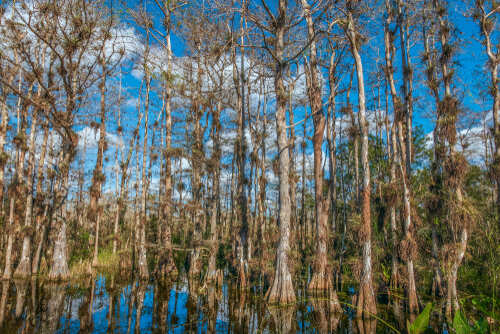
On December 9, 2025, a father and son riding an ATV into Big Cypress National Preserve found themselves stranded in a remote mud hole after their vehicle ran out of fuel. The pair, who ventured into the 720,000-acre wilderness without adequate supplies, food, water, or even proper footwear, called 911 as darkness fell and alligators became active nearby. Their poor planning forced the Collier County Sheriff’s Office Aviation Unit to conduct a dangerous nighttime rescue operation using thermal imaging and helicopter hoist equipment.
The dramatic rescue video shows deputies lifting both men from the swamp in challenging conditions. During the 911 call, the father reportedly stated “Alligators are hungry,” emphasizing the genuine danger they faced in an area home to an estimated 1.3 million American alligators. The men had started a fire to stay warm but remained vulnerable to hypothermia, dehydration, and wildlife encounters throughout their ordeal.
SWAMP NIGHTMARE: A father and son stranded barefoot and soaking wet when their ATV got stuck in a mudhole in the Florida Everglades were rescued Thursday night when deputies spotted the fire they had started to stay warm.https://t.co/JYbXn780Eo
— Fox News (@FoxNews) December 9, 2025
Pattern of Irresponsible Recreation
This incident represents a troubling pattern of unprepared outdoor enthusiasts requiring costly emergency rescues in South Florida’s protected wilderness areas. Similar rescues have occurred regularly, including a 2023 operation for lost hunters during a storm and a 2022 airboat rescue in the Everglades. These preventable emergencies strain public resources and put first responders at unnecessary risk while demonstrating a concerning disregard for personal responsibility and wilderness safety protocols.
Search and rescue experts emphasize that proper preparation could prevent most wilderness emergencies. The “Ten Essentials” include navigation tools, adequate food and water, appropriate clothing, emergency communication devices, and basic safety equipment. The Big Cypress incident involved violations of multiple common-sense safety principles, from fuel management to carrying emergency supplies in remote areas known for dangerous wildlife and difficult terrain.
Taxpayer-Funded Consequences
The rescue operation required significant public resources, including specialized helicopter equipment, trained aviation personnel, and coordination between multiple agencies. While the Collier County Sheriff’s Office successfully completed the mission without injuries to rescuers or victims, these operations cost taxpayers thousands of dollars and divert emergency resources from other critical public safety needs. The incident raises legitimate questions about personal accountability and whether individuals should bear financial responsibility for rescue operations necessitated by their poor planning.
Outdoor recreation advocates argue for education over restriction, but this incident demonstrates how individual irresponsibility impacts the broader community. The National Park Service and Florida Fish and Wildlife Conservation Commission have long promoted wilderness safety education, yet preventable emergencies continue occurring. Conservative principles of personal responsibility and self-reliance suggest that adults choosing to enter dangerous wilderness areas should properly prepare and accept consequences for their decisions rather than expecting taxpayer-funded bailouts.
Sources:
Naples News: Father, son were stranded in Everglades without food or water