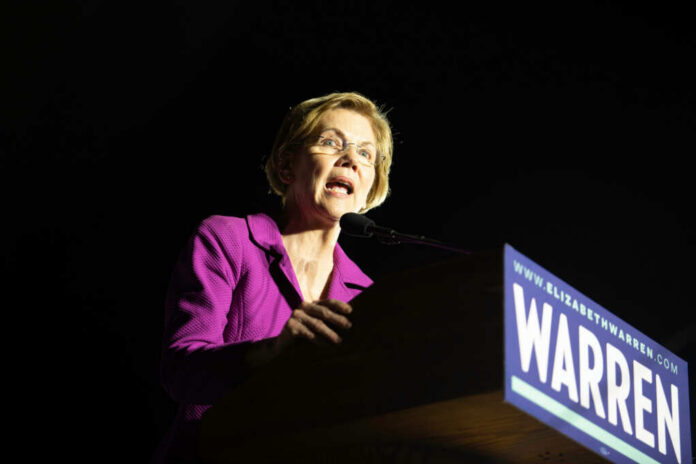
Senator Elizabeth Warren rushed to social media immediately after a classified Iran briefing to publicly attack the Trump administration’s strategy, raising serious questions about whether Democratic lawmakers can be trusted with sensitive national security information.
Story Snapshot
- Warren posted video on X minutes after classified Iran briefing, calling war “illegal” with “no plan”
- Democratic senators accused Trump of lying about Iran’s capabilities despite receiving classified intelligence
- Administration defends strikes as preemptive action against Iranian nuclear threat and attacks on U.S. facilities
- Critics argue Warren’s immediate public criticism violates briefing protocol and undermines national security
Warren’s Rushed Public Criticism Raises Security Concerns
On March 3, 2026, Senator Elizabeth Warren attended a classified briefing on U.S.-Israel military operations against Iran. Within minutes of leaving the session, she posted a video on X stating she was “more worried now” than before the briefing. Warren declared the administration was waging an “illegal war based on lies” without any imminent threat to America and lacking any plan to conclude the conflict. Her rapid-fire public response represents a departure from standard senatorial protocol regarding classified briefings, where lawmakers typically avoid referencing specific content from sensitive sessions.
Democratic Senators Challenge Administration’s Iran Strategy
Senator Ed Markey joined Warren’s criticism on March 4, posting on X that the briefing confirmed Trump was “lying about Iran’s nuclear and missile capacity” and demanding the war end immediately. Senator Bernie Sanders also weighed in, blaming both Trump and Israeli Prime Minister Benjamin Netanyahu for driving the conflict. These Democratic lawmakers portrayed the classified briefing as evidence of failed policy rather than legitimate national security concerns. Their coordinated public statements suggest the briefing deepened partisan divisions rather than building bipartisan understanding of the Iran threat.
Trump Administration Defends Preemptive Military Action
The Trump administration launched military strikes targeting Iran’s missiles, naval capabilities, drones, and weapons production facilities. President Trump justified the operations as necessary to prevent a “sick, crazy” regime from acquiring nuclear weapons, describing the action as response to direct attacks on U.S. embassies and diplomatic facilities. Secretary of State Marco Rubio defended the decision at a March 4 news conference, stating Iran is now “the weakest they’ve ever been” and arguing the strikes made the world safer by preventing radical actors from accessing devastating weaponry. The administration maintains over $24 billion in U.S. aid to Israel supports this strategic partnership against Iranian aggression.
Questions About Classified Information Handling
Warren’s immediate video post referencing briefing content—specifically claiming there is “no plan”—crosses traditional boundaries senators observe when discussing classified sessions. While she may not have disclosed specific operational details, her characterization of briefing content and strategic assessments raises concerns about whether Democratic lawmakers are using classified intelligence for partisan political attacks. This undermines executive branch authority to conduct foreign policy and potentially signals to adversaries that classified briefings produce political division rather than unified resolve. The administration faces the dilemma of whether to continue providing full classified access to senators who immediately weaponize that information against presidential decision-making.
Broader Implications for National Security Oversight
The conflict exposes fundamental tensions between congressional oversight responsibilities and executive war powers. Democrats frame their criticism as constitutional duty to prevent “illegal” military action and endless wars. The administration counters that preemptive strikes against Iranian nuclear development and attacks on American facilities represent legitimate defense of national interests. The partisan divide mirrors earlier conflicts over Trump’s 2020 strike on Iranian General Qasem Soleimani, demonstrating consistent Democratic opposition to aggressive Iran policy. With U.S. lives already lost in this conflict and Iran’s military capabilities degraded, the debate will likely intensify heading into the 2026 midterm elections, potentially influencing voter attitudes toward foreign policy and presidential authority.
Sources:
War in Iran must end now: Senators Ed Markey, Elizabeth Warren slam Trump after classified briefing