
President Trump has drawn a hard line against Iran’s escalating threats, deploying massive military force to the Middle East while warning the terror-sponsoring regime that further attacks on American troops will be met with overwhelming retaliation.
Story Snapshot
- Trump deployed two aircraft carrier strike groups to the Middle East, including USS Abraham Lincoln and USS Gerald R. Ford, in response to Iran’s nuclear ambitions and proxy militia attacks
- The President publicly stated regime change in Iran would be “the best thing that could happen,” marking a shift toward explicit support for toppling the Tehran government
- Iran’s Supreme Leader Khamenei responded with threats to sink US warships and close the strategically vital Strait of Hormuz
- Military strikes could commence within days, with Trump warning Iran faces consequences “far worse” than previous operations if negotiations fail
Trump Deploys Unprecedented Military Force
The Trump administration assembled an overwhelming display of American military might in response to Iranian aggression. The President ordered a “massive Armada” to the Middle East on January 23, centered on the USS Abraham Lincoln aircraft carrier and guided-missile destroyers. Within weeks, a second carrier strike group led by the USS Gerald R. Ford joined the deployment, creating one of the largest concentrations of naval firepower in recent history. Trump stated he would decide within 10 days whether to launch military operations or pursue a diplomatic resolution, telling reporters “We may have to take it a step further, or we may not. Maybe we’re going to make a deal.”
Iran’s Regime Faces Internal Collapse and External Pressure
The crisis erupted as Iran’s government brutally cracked down on nationwide protests against the regime, exposing internal vulnerabilities Trump has exploited. Supreme Leader Khamenei, reportedly sheltering in bunkers during the escalation, threatened American forces by claiming Iran could sink US warships and boasting “the strongest army in the world can sometimes be slapped so hard it cannot get up.” Iran closed the Strait of Hormuz for military drills on February 17, threatening global shipping through this critical chokepoint that carries much of the world’s oil supply. The regime’s weakened position, caught between domestic unrest and American military pressure, represents precisely the kind of instability that could lead to transformational change in the region.
Nuclear Ambitions Drive Confrontation
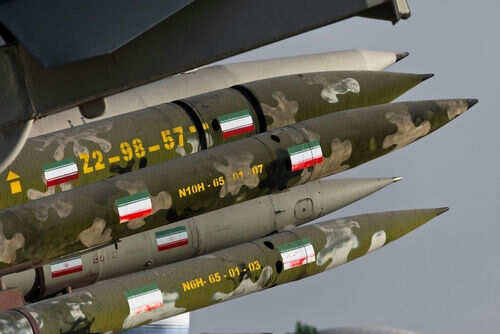
During his State of the Union address on February 24, President Trump accused Iran of reviving nuclear weapons development and advancing ballistic missile capabilities that threaten Europe and the United States. Trump labeled Iran “the world’s number one sponsor of terror” and warned Tehran faces severe consequences if it continues pursuing weapons of mass destruction. Iranian Foreign Minister Abbas Araghchi criticized the American approach, questioning why the administration “insists on starting negotiations and then, in the middle of negotiations, attacks the other party.” Despite Iran’s denials, Trump administration officials maintain the regime cannot be trusted and previous strikes in June 2025 proved insufficient to permanently dismantle Iran’s nuclear infrastructure.
Regional Allies Prepare for Iranian Retaliation
Intelligence assessments warn Iran’s “Axis of Resistance” network could launch coordinated attacks across the Middle East if American strikes proceed. This network includes proxy militias in Iraq, Hezbollah forces in Lebanon, remnants of Hamas in Gaza, and Houthi rebels in Yemen—all prepared to target American interests and regional allies. Israel, which participated in previous strikes against Iranian nuclear facilities, views Iran’s ballistic missile development as an existential threat requiring decisive action. The potential for Khamenei’s death in military operations creates additional uncertainty, as Iran’s Assembly of Religious Experts would face selecting a new supreme leader amid wartime chaos, potentially triggering a succession crisis that could reshape the regime’s nuclear policies and regional behavior.
President Trump Fires Warning Shot to Iran Amid Threats of New Retaliatory Strikes on US Military Bases https://t.co/1XrzSHUX3j
— The Gateway Pundit (@gatewaypundit) March 1, 2026
European powers including France, the UK, and Germany have called for diplomatic talks to resume, though Britain blocked Trump’s request to use UK air bases during potential operations. The situation underscores a fundamental divide between the Trump administration’s willingness to use military force to prevent Iranian nuclear weapons and European preferences for negotiation. For American patriots who watched the Obama-Biden era embolden Iran through cash payments and weak agreements, Trump’s unapologetic approach represents a return to peace through strength. The President made clear America will no longer tolerate a regime that chants “Death to America” while building nuclear weapons and funding terrorism worldwide.
Sources:
2026 Iran–United States crisis – Wikipedia
Iran strike risks in Middle East escalate under Trump – Politico