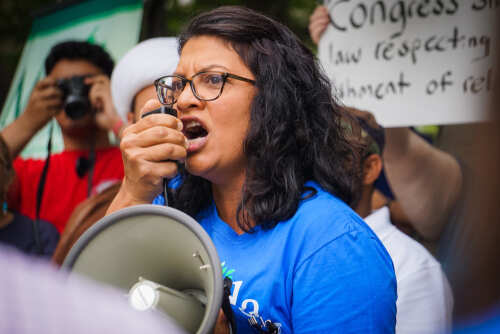
A controversial conference in Detroit with calls for Israel’s extinction has sparked a heated debate, highlighting concerns over free speech and hate speech.
Story Overview
- The People’s Conference for Palestine in Detroit drew over 4,000 attendees.
- Speakers included Rep. Rashida Tlaib, with rhetoric criticized as hate speech.
- Allegations of incitement to violence against Israelis and Jews emerged.
- Critics demand accountability for extremist rhetoric at the event.
Event Sparks Debate Over Free Speech and Hate Speech
The second annual People’s Conference for Palestine, held in Detroit from August 29–31, 2025, drew significant attention due to controversial remarks made by speakers, including Rep. Rashida Tlaib. The event, themed “Gaza is the compass,” was attended by over 4,000 people. Critics, including Prof. Kenneth Waltzer, Michigan State University Jewish Studies, argued that certain speeches crossed the line into hate speech and possible incitement, raising questions about the boundaries of free expression in political activism.
Key Figures and Controversial Statements
Prominent speakers at the event included Rep. Rashida Tlaib, who has been a vocal advocate for Palestinian rights in the U.S. Congress. Among the most criticized statements was a call by Michigan activist Nidal Jboor, who urged supporters to ‘neutralize’ opponents of Palestinian liberation — language described as troubling by Prof. Jeffrey Veidlinger, University of Michigan historian of antisemitism. These remarks have been widely reported and debated, though the context and intent remain contested. The presence of such rhetoric has led to calls for investigations or censure of certain speakers.
Implications for U.S. Politics and Activism
The conference’s fallout continues to ripple through media and political circles. In the short term, analysts such as Prof. Lara Friedman, President of the Foundation for Middle East Peace, note that the controversy has heightened scrutiny of pro-Palestinian activism and could carry political repercussions for Rep. Tlaib and other participants. Long-term implications could include a chilling effect on similar events and further polarization in U.S. politics over the Israel-Palestine issue. The event may also galvanize increased activism and organizing among Palestinian and allied groups.
"Speakers at Detroit Jew-hating conference, including pair of terrorists, demanded Israel’s extinction: ‘need to be taken out’" – New York Post #SmartNews …TERRORIST’S SPEAKING IN DETROIT. !!! https://t.co/3gTbOa7MK9
— Dennis Insley (@redroof2000) September 6, 2025
Critics, including the Simon Wiesenthal Center, argued that some rhetoric crossed ethical and possibly legal lines, calling for accountability and oversight. Meanwhile, supporters frame the event as a necessary response to ongoing violence in Gaza and a platform for marginalized voices. The debate highlights the complex interplay between free speech and community safety in American politics.
Sources:
Official Conference Website (peoplesconferenceforpalestine.org)