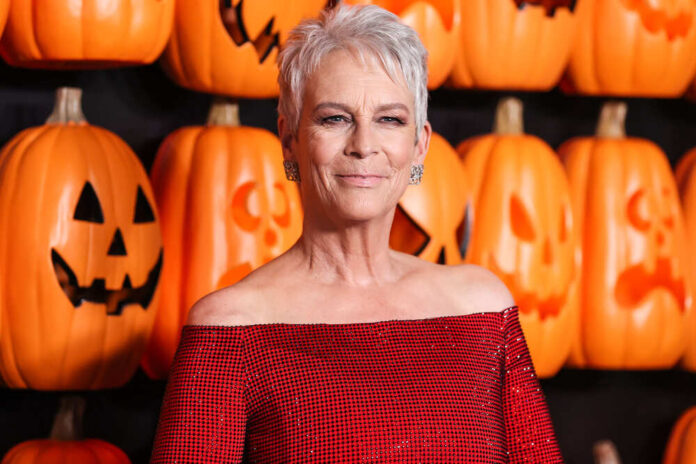
Jamie Lee Curtis has sent shockwaves through Hollywood and beyond by labeling the cosmetic surgery industry as a force committing “genocide” against women’s natural beauty.
At a Glance
- Jamie Lee Curtis criticizes the cosmetic surgery industry, calling it a “genocide” against women.
- Curtis’s comments emphasize the harmful effects of AI beauty standards.
- The actress regrets her own past cosmetic surgeries.
- The debate highlights the psychological impact of unrealistic beauty expectations.
Jamie Lee Curtis Takes on Cosmetic Surgery
Jamie Lee Curtis, known for her outspoken nature, has once again sparked debate with her recent comments on the cosmetic surgery industry. In a July 2025 interview with The Guardian, Curtis did not mince words, describing the industry’s impact on women as “genocide.” This provocative claim is aimed at highlighting how cosmetic procedures and AI-driven beauty filters have systematically erased natural female features, impacting generations.
Accompanying her strong words, Curtis used exaggerated wax lips as a symbol of her disapproval, signifying how far the industry has gone in distorting natural beauty. She draws from her own experiences, having undergone plastic surgery in her 20s, a decision she now regrets. Curtis insists that while she criticizes the industry, she doesn’t judge individuals who opt for these procedures. Her focus remains on the broader societal pressures that compel people to conform to these unrealistic standards.
Oh good heavens. I hope those two children are prepping for the time they need to intervene and get this lady to a full care facility. Jamie Lee Curtis, a 'Gender Affirming' Surgery Proponent Accuses Cosmetic Surgery Industry of 'Genocide' Against Women https://t.co/8Khxtf5aJI
— WC (@co_wyo) July 29, 2025
The Rise of Cosmetic Surgery and AI Beauty Standards
Cosmetic surgery has been on the rise since the late 20th century, with procedures like Botox, fillers, and surgical enhancements becoming increasingly mainstream. The industry has seen a boom, with millions of procedures performed annually. This trend is fueled by the entertainment industry and the influence of celebrities and social media influencers who often set beauty norms.
The integration of AI in beauty filters has only compounded the issue, creating new pressures for women and girls to meet idealized standards. These digital tools blur the line between reality and the artificial, pushing individuals to pursue procedures to match the unattainable images they see online. Curtis’s critique is a call to action against these forces that distort self-image and self-worth.
The Impact of Curtis’s Statements
Curtis’s bold statements have reignited discussions about the ethics and impact of cosmetic surgery and digital beauty standards. Her use of the term “genocide” has been both applauded and criticized. Supporters praise her for drawing attention to the issue, while some argue that her language is too extreme for the context. Nonetheless, her comments have amplified the conversation, prompting people to rethink the societal obsession with aesthetic perfection.
There are calls for increased scrutiny and potential regulation of the cosmetic industry and the promotion of AI beauty filters. The conversation also touches on the psychological impact of these standards, which can lead to body image issues and mental health struggles, particularly among young women.
Looking Forward: Potential Shifts in Public Attitudes
In the short term, Curtis’s comments have led to a surge in media coverage and social debate. This increased awareness could influence public attitudes toward cosmetic procedures, encouraging a more critical view of the industry’s practices. In the long term, there may be a push for more diverse and authentic representations of beauty, challenging the status quo.
Economically, the cosmetic surgery industry, a multi-billion-dollar enterprise, might see shifts in demand if public perception changes. Socially, there is a growing awareness of the importance of mental health and the need to address the pressures that lead individuals to pursue cosmetic enhancements. Politically, there could be discussions about regulating the advertising and use of AI in promoting beauty standards, ensuring that these practices do not continue unchecked.